
How to Pay Utility Bills in Japan: Electricity, Gas, Water, Convenience Stores & Automatic Payments
Pay electricity, gas and water bills in Japan correctly: direct debit, credit cards, convenience-store slips, smartphone payments, deadlines, failed payments, final bills and scam checks.

Utility bills in Japan can usually be paid by one or more of these methods: automatic bank withdrawal, registered credit card, a paper payment slip, a provider-specific smartphone or online payment option, or a provider-approved digital billing method. The exact choices are not universal. For example, TEPCO currently lists credit card, automatic withdrawal, paper invoice and SMS-based payment options, while Tokyo Gas offers credit card, direct debit, digital billing and paper billing, and the Tokyo Metropolitan Government water service supports direct debit, credit card, app payments and invoices. Always check the provider name, customer number, service address, amount and deadline before paying, and keep proof of payment until the account shows the bill as settled.
First identify who actually bills each service
Electricity, gas and water are often billed by different organizations. Home internet, mobile phone service, building Wi-Fi or other services may be billed separately again.
Do not assume the company named by your landlord is still your current supplier. Electricity and gas contracts can change, and water is often administered by a local public authority.
Keep the first bill or account-opening notice from each provider because it usually contains the customer number and contact information you need for payment changes, moving procedures or troubleshooting.
- Electricity supplier
- City-gas or LP-gas provider
- Municipal or regional water authority
- Internet and mobile provider
- Any building-specific utility or service charge
Check whether any utilities are already included in rent or management fees
Some share houses, dormitories, furnished apartments and short-term rentals include all or part of the utilities in a fixed housing charge. Standard private apartments more often require separate contracts and payments.
Read the lease and move-in documents before opening a duplicate contract. If an amount is included, confirm whether it is truly fixed or whether high usage can create an additional charge.
- Which services are included
- Whether the included amount is fixed or usage-based
- Who holds the utility contract
- Whether a separate final settlement is made when you move out
Read the five details that matter before paying
Even if most of the bill is in Japanese, you can avoid many mistakes by checking a small number of fields before payment.
The exact layout differs by provider, so use the provider's own bill-reading guide when you are unsure.
- Provider name
- Customer or contract number
- Service address
- Amount due
- Payment deadline or due date
Automatic bank withdrawal is the easiest long-term option for many residents
Automatic withdrawal, usually called 口座振替 (kouza furikae), lets the provider debit the registered Japanese bank account on the scheduled date.
Registration is not always immediate. Tokyo Gas, for example, states that an online direct-debit application can take several business days, while a paper application can take considerably longer. Until the provider confirms activation, keep paying any invoice you receive by the old method.
Maintain enough money in the account before the debit date and check the next bill if a withdrawal fails.
- Register the bank account through the provider's approved process
- Continue paying invoices until activation is confirmed
- Keep sufficient balance before the debit date
- Update the bank account before closing or replacing it
Credit-card payment is convenient, but registration rules differ
Many major providers allow recurring credit-card payment, but accepted cards, eligible contracts, application channels and processing times vary.
A card registered directly with the utility provider is different from presenting a credit card at a convenience-store counter. A paper utility slip that can be paid at a convenience store does not automatically mean the store will accept a credit card for that bill.
If your card number, expiry date or issuer changes, check whether the provider updates it automatically or requires a new registration.
- Confirm that your plan supports card payment
- Check whether the card is registered for recurring payment or one-time payment
- Watch for expiry-date changes
- Keep paying by the previous method until the switch is complete
Paper payment slips are still important, especially during setup
A payment slip may be mailed to your home before automatic payment is active or when another payment method fails. Depending on the provider, it may be payable at participating convenience stores, banks, financial institutions or other approved counters.
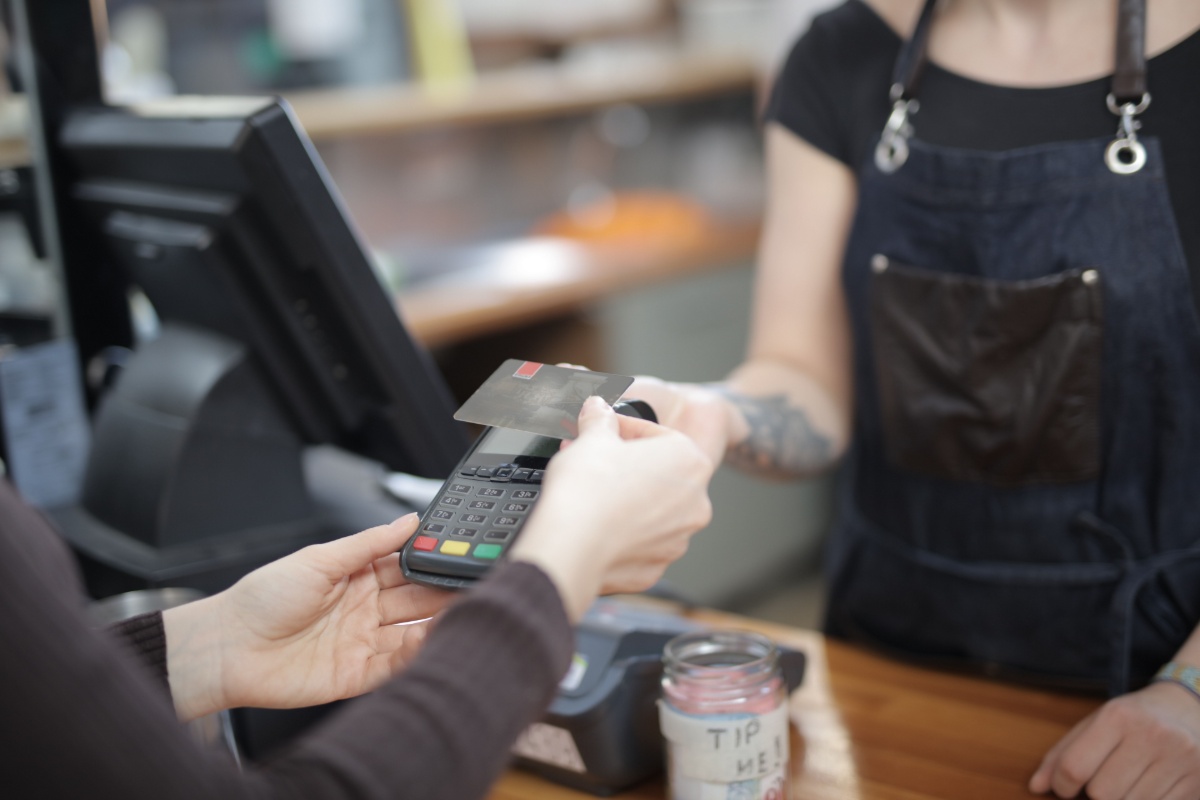
At a convenience-store counter, hand the valid slip to the clerk and follow the supported payment method for that slip. Keep the stamped receipt when one is issued.
Do not discard an invoice just because you recently applied for direct debit or card payment. Check whether that specific bill has already been transferred to the new payment method.
- Use the original valid slip
- Check the deadline and barcode
- Pay only through a supported location or method
- Keep the receipt or transaction record
- Avoid paying again after using an app or another channel
Smartphone and digital payment options are provider-specific
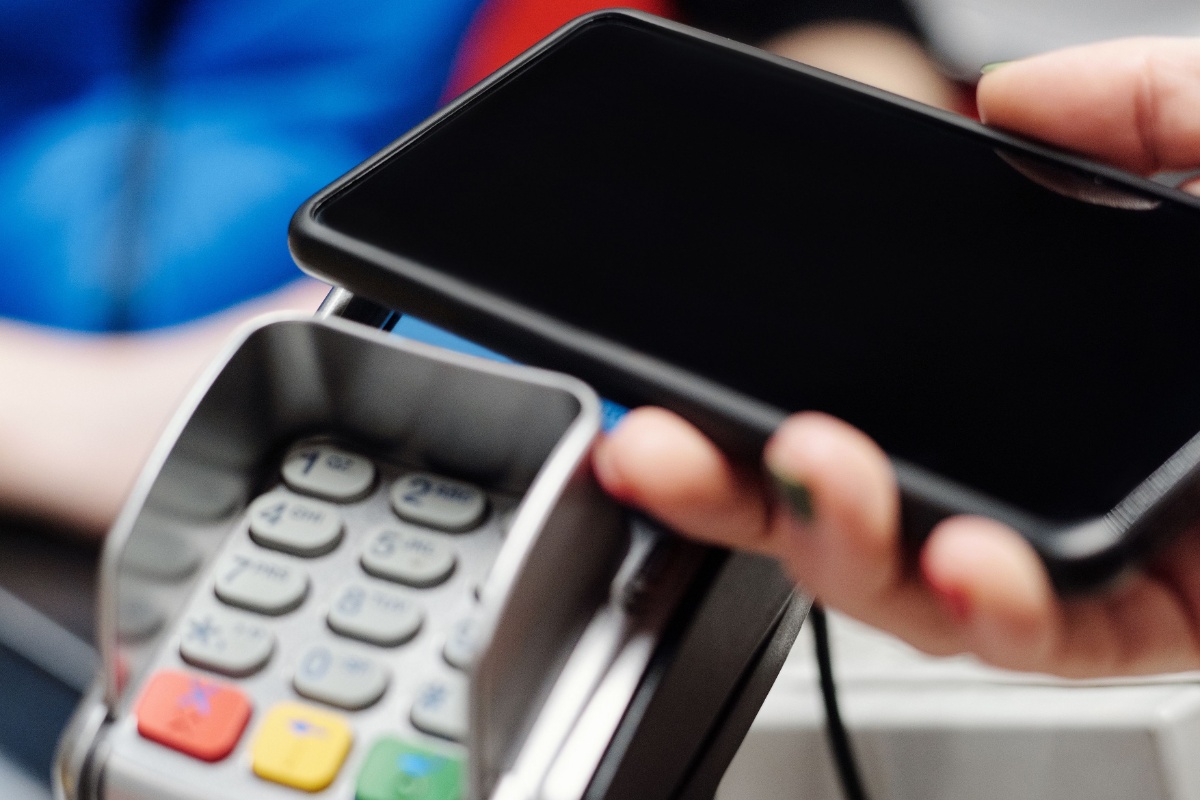
Digital payment can mean very different things. Some providers let you scan a bill barcode in a supported payment app, some issue an app-based bill, and some send a digital barcode that must still be paid in cash at a convenience store.
Tokyo Gas is a useful example: its current digital-billing service sends an SMS link that displays a barcode for convenience-store cash payment, while its paper bill can be paid through supported smartphone payment apps. The Tokyo Metropolitan Government water service also supports app-based cashless payment options.
Because the workflow differs even within one provider, follow the instructions for the exact bill you received rather than assuming every barcode works in the same app.
- Provider's own app
- Supported smartphone payment app
- SMS-based digital bill
- QR- or barcode-based one-time payment
- Cash payment after displaying a digital barcode
How to confirm that the payment really went through
A completed payment should leave evidence. With automatic withdrawal, check the bank transaction. With a credit card, check the card statement or provider account. With an app, keep the payment history. With a counter payment, keep the receipt.
This is especially important when the same bill remains visible in an app or arrives by mail after you have already paid. Billing systems can update later than the payment itself.
Before paying a second time, compare the bill number, billing period and amount with your existing payment record.
- Bank account transaction
- Credit-card statement
- Provider portal or app status
- Smartphone payment history
- Convenience-store or financial-institution receipt
If the deadline has passed, do not guess which payment method still works
An expired barcode or payment slip may stop working even though the debt is still payable. The next step depends on the provider and how late the payment is.
Contact the utility through the official website, app or phone number printed on a verified bill. Ask whether the original slip can still be used, whether a replacement will be issued, or whether another payment route is required.
Repeated non-payment can eventually lead to service restrictions or contract termination under the provider's rules, so deal with an overdue notice promptly rather than waiting for the next regular bill.
- Verify the provider through an official channel
- Confirm the unpaid amount
- Ask which payment route is still valid
- Keep proof once the overdue amount is paid
Treat unexpected payment messages as potential phishing
Utility companies are frequently impersonated in email and SMS scams. TEPCO currently warns about messages that pressure recipients to pay electricity bills and direct them to phishing sites that request phone numbers, card information or other personal data.
Do not trust a payment link simply because the message uses the provider's name or logo. Open the provider's official website or app independently, or use a browser bookmark you already trust.
If a message claims immediate suspension but the amount or account details do not match your normal bill, verify the account before paying.
- Do not open suspicious payment links
- Do not enter card or bank information on an unverified page
- Access the provider directly rather than through the message
- Compare the amount and customer information with a real bill
When moving, arrange the stop date and final bill before closing accounts
Electricity, gas and water do not all stop automatically when your lease ends. Contact each provider and arrange the correct termination or transfer date.
Ask how the final bill will be paid. If you use direct debit or a credit card, do not close the bank account or cancel the card until the final charge is complete.
If you are moving within the same provider's service area, ask whether the payment method can be carried over to the new address. Some providers support this, but it is not universal.
- Service stop date
- Final meter reading if required
- Final bill amount and payment route
- Forwarding address or email
- Whether the existing payment method continues at the new home
FAQ
Can I pay utility bills at a convenience store in Japan?
Often yes when the provider issues a valid convenience-store payment slip or supported digital barcode. Availability and accepted payment methods depend on the provider and the specific bill.
Can I use a credit card at the convenience-store counter to pay a utility slip?
Do not assume so. Recurring credit-card payment registered with the utility is different from payment at a convenience-store counter. Follow the payment methods printed on the slip.
Can I pay with a smartphone app?
Many providers support some form of app or digital payment, but supported apps, limits and bill types differ. Confirm the exact method on the provider's official payment page.
Why did I receive a paper bill after registering automatic payment?
The registration may not be active yet, or that bill may have been issued before the change was completed. Pay according to the provider's instructions until activation is confirmed.
What should I do if I lose the payment slip?
Contact the provider through an official channel. It may be able to reissue the bill or offer another payment method after verifying your account.
Can an expired payment slip still be used?
Sometimes, but not always. Barcodes and counter-payment acceptance can expire. Ask the provider which payment route is valid before trying repeatedly.
Should I cancel my bank account immediately when leaving Japan?
Not if a final utility payment is still expected from that account. Confirm the final settlement first, then close or change the payment method according to the provider's instructions.
Official References
- TEPCO: Frequently Asked Questions — Payment Methods
- TEPCO: Warning About Suspicious Emails, Calls and Payment Requests
- Tokyo Gas: How to Pay Gas and Electricity Bills
- Tokyo Gas: Starting, Stopping and Modifying Gas/Electricity Service
- Tokyo Metropolitan Government Bureau of Waterworks: Payment Methods
- Tokyo Metropolitan Government Bureau of Waterworks: App Payments
Final Thoughts
The easiest way to avoid utility-payment problems in Japan is to treat each provider separately. Identify the supplier, check the customer number, service address, amount and deadline, then use only a payment method the provider currently supports. Automatic withdrawal or a registered credit card can reduce monthly work, but keep paying any issued invoice until the change is active. Save receipts and digital confirmations, verify unexpected payment messages independently, and arrange the final bill before closing a bank account or leaving the property.