
Your First Weeks in Japan: Address → Phone → Bank → Internet
A practical first-weeks setup order for new residents in Japan: register your address, get a usable Japanese phone number, open the bank account you need, then arrange permanent home internet without getting trapped in circular requirements.
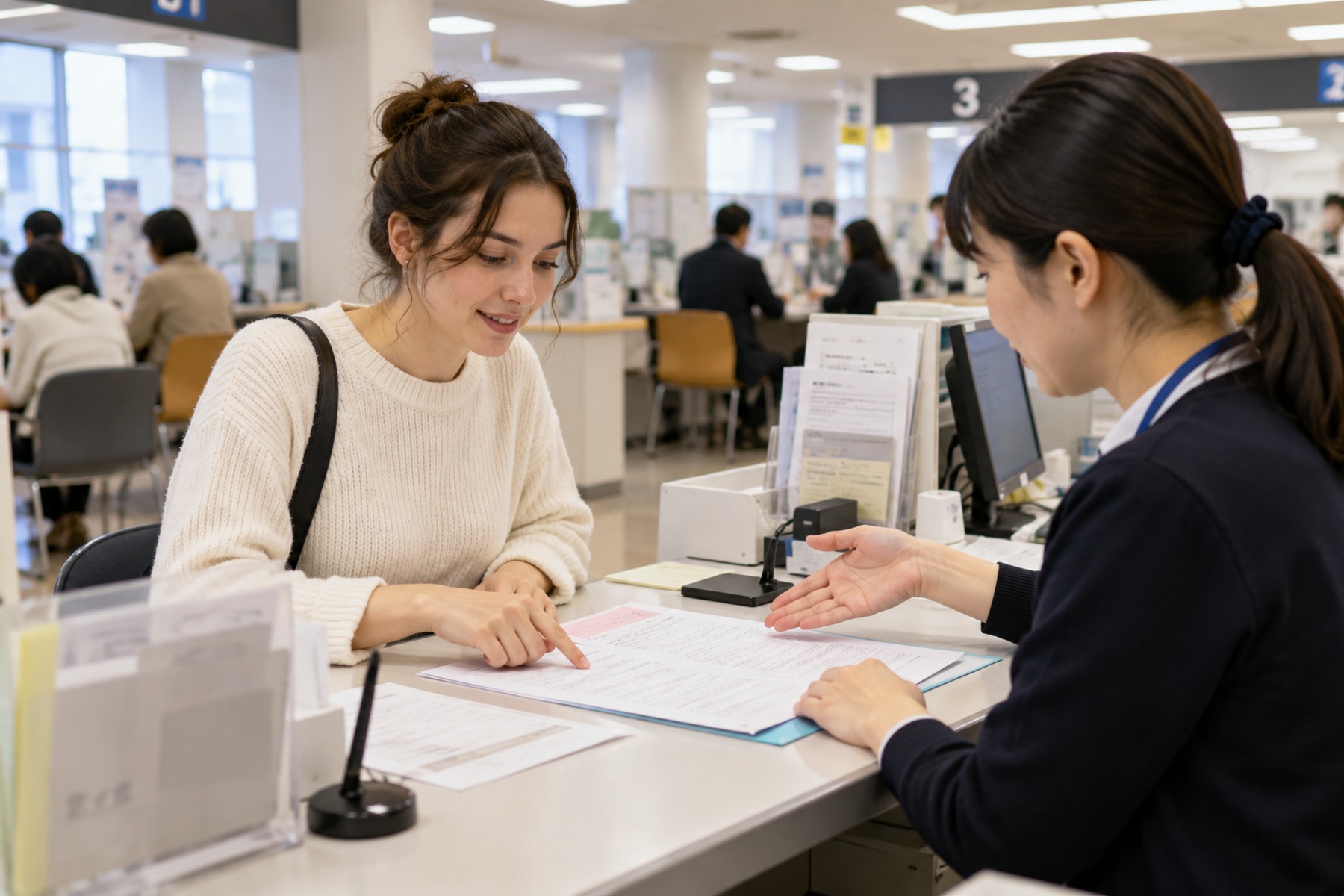
Use this as a dependency order, not a rigid legal sequence: register your address first, get a Japanese phone number next, apply for the bank account you actually need, then finalize home internet. Address registration gives you a current official address for later identity checks; a Japanese phone number can make bank and service verification easier; and fixed internet can involve building checks or an installation date, so it should not block your earlier tasks. Some mobile services accept non-Japanese payment methods, some banks use different onboarding rules, and temporary mobile or pocket Wi-Fi can bridge the gap while permanent internet is pending.
Why this order reduces setup friction
The hardest part of your first weeks is usually not any single procedure. It is the dependency chain between them. A carrier may want identity documents showing your current address. A bank may need to verify where you live and how to contact you. A fixed-line internet provider may need the exact service address and may have to schedule installation. Doing the tasks in a sensible order reduces the chance that one missing detail sends you back to the beginning.
The four-step order in this guide is designed to create a usable foundation quickly while keeping temporary alternatives available. It does not mean every provider in Japan has identical requirements. Always check the exact bank, carrier and internet provider you plan to use before submitting an application.
- Address registration creates the core official address you will reuse elsewhere.
- A Japanese phone number gives employers, banks and service providers a stable way to contact you.
- A bank account becomes easier to choose once you know your salary, rent and payment needs.
- Permanent home internet can be arranged after the address and property details are settled, with temporary data used in the meantime.
Step 1: Register your address before building the rest
For mid- to long-term residents, the residence procedure starts with the municipality. The Immigration Services Agency states that a new place of residence must be reported within 14 days after you settle at the address. The exact counter, documents and local workflow depend on your municipality, so check the city or ward website before you go.
Treat this step as the anchor for everything that follows. Once your residence information is current, keep the same legal name spelling and address format when you apply for a phone, bank account or other service. City hall does not automatically update private companies for you, so each provider still needs its own application or address-change procedure.
- Bring your residence card and any other documents your municipality lists for your case.
- Use the address exactly and consistently on later applications.
- If you arrived with family, check whether the municipality requires documents proving family relationships.
- Keep copies or photos of non-sensitive checklists and appointment details so you do not have to reconstruct the process later.
Step 2: Get a Japanese phone number without waiting for the perfect bank setup
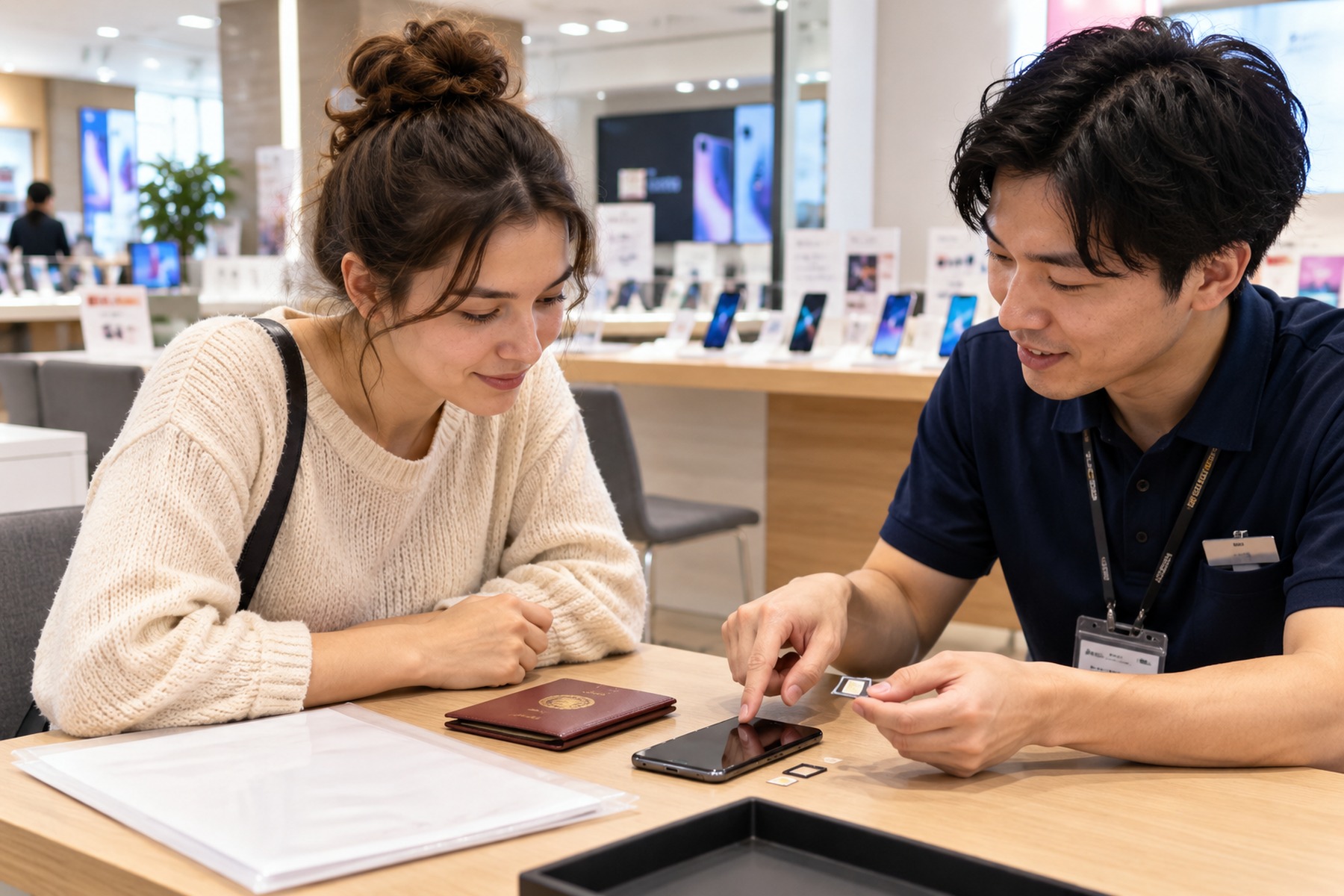
A Japanese number is useful for calls, SMS verification, deliveries, employers and service providers. Identity and payment rules vary by carrier. As one current mainstream example, DOCOMO's English guidance requires identity documents showing the current address and gives additional instructions for foreign residents using a residence card and passport. Payment can also affect which documents or procedures are required.
Do not assume you must already have a Japanese bank account before you can obtain a phone number. Some resident-oriented mobile services accept other payment methods, while major carriers may accept a credit card depending on the application. If your immediate need is only data, an eSIM can be quick, but a data-only product is not a substitute for a normal Japanese voice/SMS number when a service expects one.
- Choose voice and SMS if you expect verification calls, employer contact or domestic service registrations.
- Match your legal name and current address to your identity documents.
- Check whether your current phone is unlocked and compatible before buying a SIM or eSIM.
- Confirm the payment method before you spend time on an application.
Step 3: Open the bank account you actually need
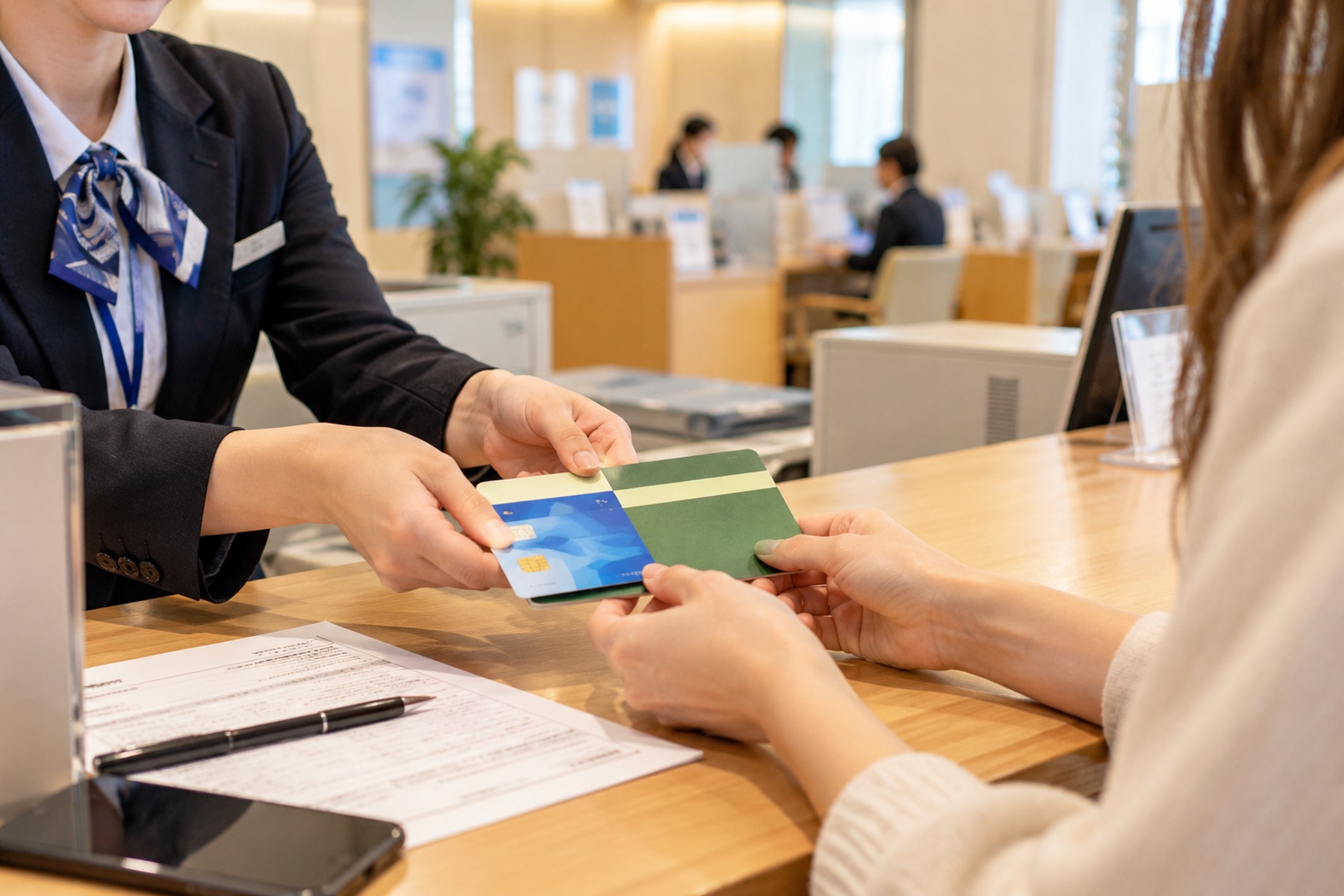
Do not open a bank account only because a generic checklist says you should. First decide what the account must do: receive salary, pay rent, support automatic debits, use a debit card, withdraw cash cheaply, or receive money from overseas. The Financial Services Agency publishes multilingual guidance for foreign residents on opening accounts and sending money, but each bank still applies its own identity, residency and compliance checks.
Japan Post Bank is a useful example of why you should check the bank-specific rules. Its current guidance for foreign customers asks for a residence card, may request a passport, and asks students or technical interns for proof of enrollment or employment. It also warns that account opening can take time and may not always be completed on the same day. That makes it sensible to keep an overseas card or other legal payment method available while your account is being processed.
- Use the address and legal name already aligned with your residence documents.
- Bring the exact documents your chosen bank lists rather than relying on another bank's checklist.
- If salary payment is the main goal, ask your employer whether it has a preferred bank or branch requirement.
- Do not assume account approval is immediate; keep a temporary payment method until the account is usable.
Step 4: Set up home internet after the property details are confirmed
Permanent internet is the step most likely to involve the building itself. Fiber availability, an existing wall outlet, landlord or management-company rules, provider coverage and installation scheduling can all affect how quickly service starts. NTT East notes that the planned opening date is communicated after the fiber application, which is a useful reminder that activation is not necessarily immediate.
If you need to work or study online from your first days in the apartment, use a temporary bridge instead of delaying every other setup task. A phone hotspot, home router or pocket Wi-Fi can cover the gap while you compare fiber or other fixed options. Before ordering fixed service, confirm the exact address, room number and whether any construction or technician visit is permitted.
- Check whether the building already has fiber infrastructure or a designated provider.
- Confirm permission before any work that affects the apartment or common areas.
- Ask for the expected activation or installation date before relying on the service for work.
- Keep temporary data until the permanent connection is active and tested.

What you can safely do out of order
The sequence is meant to reduce friction, not create a new set of artificial rules. Temporary internet can be arranged before city hall if you need connectivity on arrival. A resident-focused mobile provider may let you obtain a Japanese number before you have a domestic bank account. A bank may accept your application without a phone-first workflow depending on its own rules. And you can sometimes start a fiber application early if your lease, exact address and building permission are already settled.
The important distinction is between a legal deadline and a practical dependency. Address registration has a formal deadline for the residents covered by the rule. The phone, bank and internet order is a workflow recommendation designed to minimize failed applications and repeated document checks.
- Urgent connectivity: use temporary mobile data first.
- Urgent phone number: choose a provider whose identity and payment rules fit your current documents.
- Urgent salary account: ask the employer which banks or account formats it accepts.
- Urgent home internet: confirm building compatibility and use a temporary connection until activation.
A practical first-weeks timeline
A realistic plan is to complete the government-facing address step first, then move into commercial services while you still have time to fix mismatches. You do not need to finish all four tasks in one day. In fact, trying to do so often creates more waiting because banks and fixed internet can have their own review or scheduling process.
Keep one small setup folder containing your residence documents, lease or housing information, employer or school details, and a note of the exact name and address format you are using. Do not store unnecessary copies of sensitive numbers in unsecured cloud notes.
- First few days: settle the address and municipal procedures that apply to you.
- Next: secure a Japanese voice/SMS number if you need one for work and services.
- Then: apply for the bank account that matches your salary, rent and payment needs.
- In parallel: check fixed internet availability and use temporary data until activation.
Avoid the failure loops that waste the most time
Most failed first-week setups come from inconsistent information rather than complicated technology. A name entered differently across applications, an old address on identity documents, a payment method the provider does not accept, or a service address that does not match the building record can stop an otherwise simple application.
When an application fails, do not immediately submit the same information again. Ask which specific field, document or eligibility rule caused the problem. Correct that dependency first, then retry. This is faster and safer than opening multiple accounts or contracts you do not actually need.
- Keep legal-name spelling consistent across residence, phone and bank applications.
- Use the current registered address rather than an old hotel, temporary pickup point or previous residence unless the provider explicitly allows it.
- Check whether a product provides a real Japanese phone number or only data.
- Confirm the bank's own foreign-resident document requirements before visiting.
- Do not book fiber construction until the apartment or building rules are clear.
FAQ
Do I need a Japanese bank account before getting a Japanese phone number?
Not always. Carrier requirements differ, and some services accept a credit card or other supported payment method. Check the provider's current identity and payment rules before applying. If you need a normal Japanese number for calls and SMS, make sure the plan is not data-only.
Do I need a Japanese phone number before opening a bank account?
There is no single rule that applies to every bank. A Japanese number can make contact and verification easier, but the bank decides its own requirements. Check the exact bank's account-opening page and prepare the identity and residence documents it lists.
Can I open a bank account immediately after arriving in Japan?
Possibly, but do not assume same-day approval. Banks apply their own eligibility and compliance checks. Japan Post Bank, for example, tells foreign customers that account opening may take time and can require additional proof depending on residence status, study or work situation.
What should I do if fiber internet cannot be activated quickly?
Use a temporary connection such as a phone hotspot, home router or pocket Wi-Fi while you wait. Keep the temporary service until the fixed line is active and tested, then cancel it according to its contract terms.
Does registering my address at city hall update my phone company and bank automatically?
No. Municipal registration does not automatically change your private contracts. Update each bank, carrier, employer, utility or other service separately when required.
Official References
- Immigration Services Agency — Notification of a New Place of Residence
- Financial Services Agency — Living in Japan: How to Open a Bank Account and Send Money
- Japan Post Bank — Information for Foreign Customers Opening an Account
- NTT DOCOMO — Documents Verifying Identity
- NTT East — FLET'S HIKARI Provider and Activation Information
Final Thoughts
The fastest way to settle into Japan is not to chase every account at once. Build the chain in a stable order: official address first, reliable phone contact next, the bank account you actually need after that, and permanent internet once the property details and activation path are clear. Keep temporary payment and connectivity options until the permanent services are working, and use the dedicated Settora guides when you need the full procedure for any one step.