
How to Find a Share House in Japan: Search, Costs, Rules & Move-In Tips
A practical guide to finding a share house in Japan: compare listings, understand fees and rules, prepare documents, spot red flags, and choose a house that matches your budget and lifestyle.
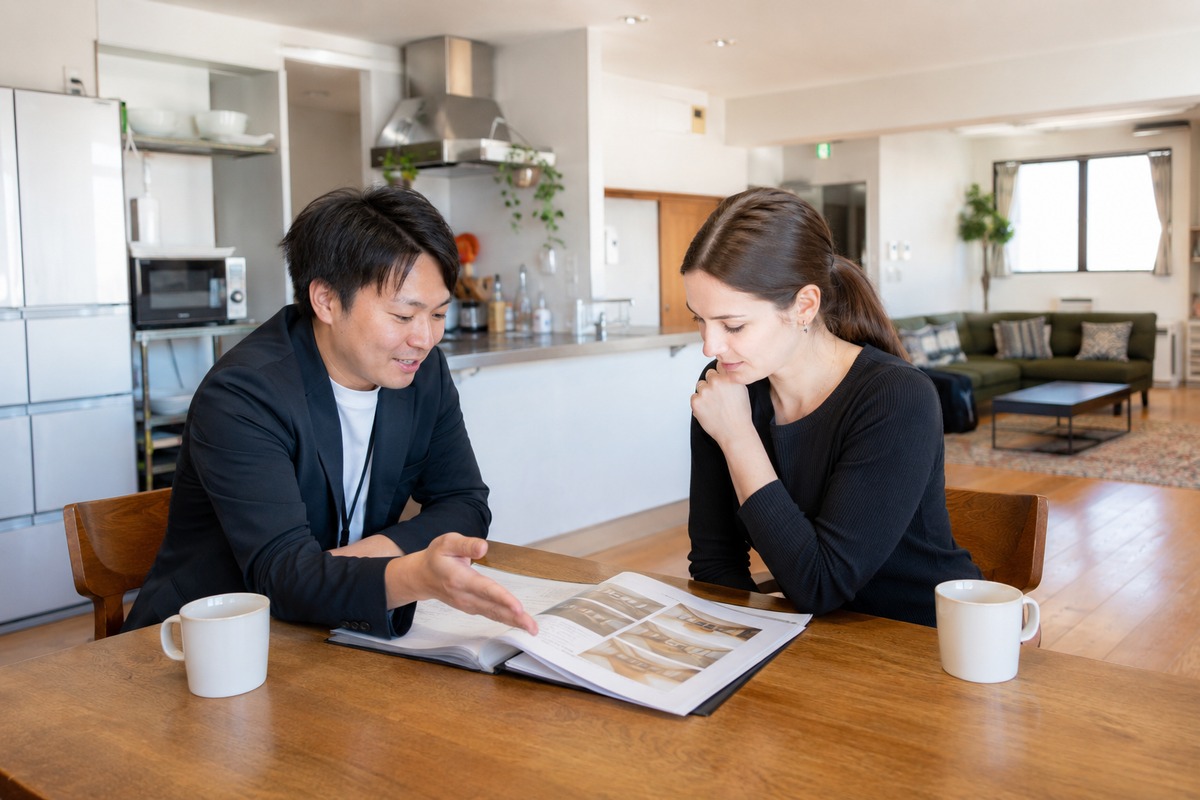
To find a good share house in Japan, start with a clear monthly budget and a shortlist of must-haves such as location, room type, house rules and minimum stay. Then compare listings carefully, ask for the full fee breakdown, visit or request a video tour, and confirm whether you can register your address there. Many share houses are easier to move into than standard apartments because they are furnished and may have simpler screening, but you still need to check contract length, notice period, guest rules, cleaning arrangements and any extra charges before you apply.
Decide Whether a Share House Fits Your Lifestyle
A share house is a rental home where private bedrooms are combined with shared spaces such as the kitchen, bathrooms, living room or laundry area. Compared with a regular apartment, the move-in process can be simpler because furniture, utilities and internet are often already arranged.
This option works well if you want to reduce setup costs, meet other residents or stay flexible during your first months in Japan. It may be less comfortable if you need complete privacy, work unusual hours or own a large amount of furniture and luggage.
- Good fit: lower upfront costs, furnished room, easier short-to-mid-term move-in.
- Possible drawback: shared kitchens, bathrooms and house rules require flexibility.
- Best approach: decide your priorities before you start comparing listings.
Set a Realistic Budget Before You Search
Do not compare share houses by rent alone. Some properties advertise a low room price but add management, utility, cleaning or contract fees. Others include internet, furniture and common consumables, which can make the total monthly cost more predictable.
Write down both your monthly budget and your maximum initial budget. This helps you avoid wasting time on listings that look cheap at first glance but become expensive once all fees are included.
- Monthly total: rent + common service fee + utilities + internet if separate.
- Initial total: deposit, cleaning fee, administration fee, key or setup cost.
- Lifestyle cost: commuting, food access, and whether you need to buy extra furniture or bedding.
Know Where to Search for Share Houses
Useful starting points include specialist share house operators, large rental portals, multilingual real-estate agencies and housing support pages for foreign residents. Operator websites can give more detail about the community and house rules, while larger portals are useful when comparing price and location across many options.
If you are a student or newly relocated worker, also ask your school, employer or local international association whether they keep housing information or can recommend foreigner-friendly agencies.
- Check specialist share house operators for room style, community atmosphere and current vacancies.
- Use broader property portals to compare area, access and price level.
- Look for multilingual support if you need help with contracts or viewings.
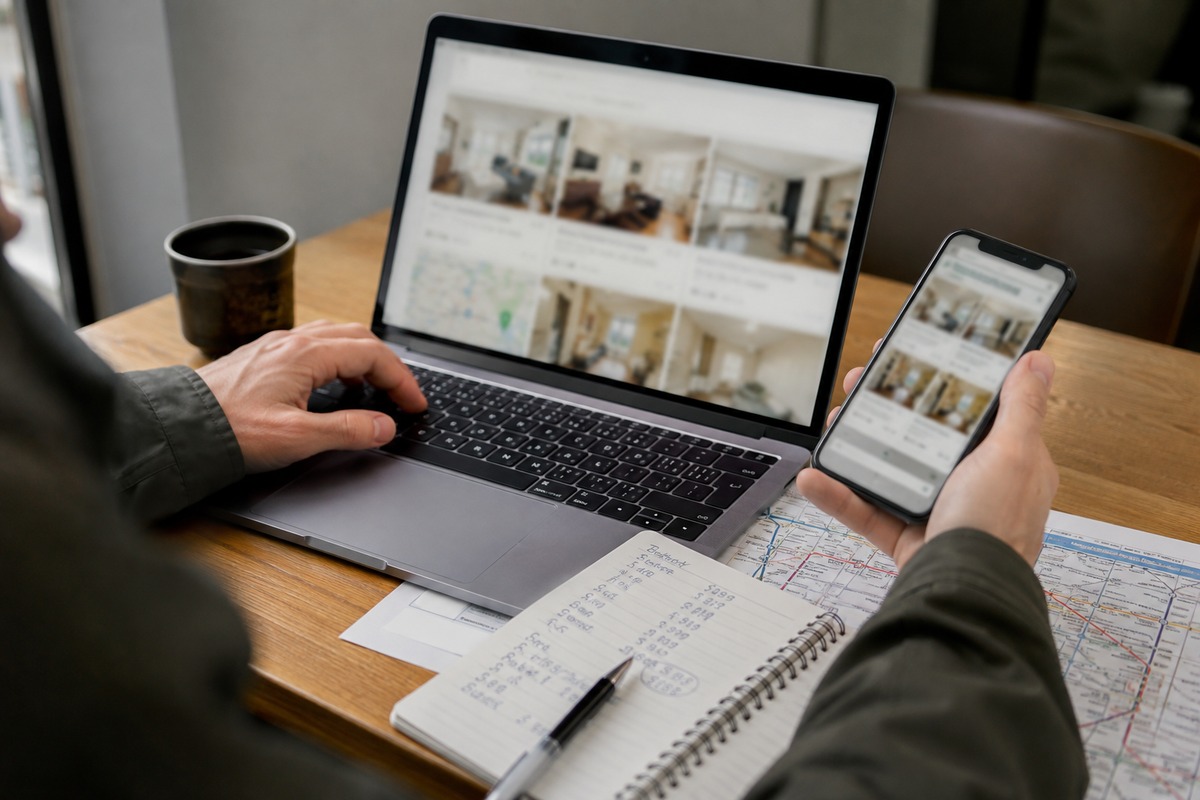
Read Each Listing Carefully Before You Contact Anyone
A good listing should tell you whether the room is private or shared, whether furniture is included, what common facilities exist, and how many people use them. It should also show the minimum contract term, move-in conditions and whether the property accepts address registration.
Pay special attention to anything that affects daily life: curfews, guest rules, age or gender restrictions, smoking policy, cleaning rotation, and whether the operator or residents manage shared supplies.
- Check if the room is private, semi-private or dormitory style.
- Confirm what is included: bed, desk, storage, Wi-Fi, utilities and kitchenware.
- Look for rules on guests, noise, smoking, pets, and minimum stay.
- If you need to register your address, confirm that the property allows it.
Contact the Operator Early and Ask Direct Questions
Popular rooms can fill quickly, especially near major stations, universities and business districts. Once you find a promising house, contact the operator and ask for the latest availability, total fees and required documents.
Keep your questions practical. A fast and clear reply often tells you as much as the listing itself. If the operator cannot explain fees, rules or screening steps clearly, treat that as a warning sign.
- Ask about the earliest move-in date and whether the room is still available.
- Request the full fee breakdown instead of only the room rent.
- Check whether a guarantor, emergency contact or proof of income is required.
- Confirm whether communication can be handled in English or another language you understand.
Visit the House or Request a Video Tour
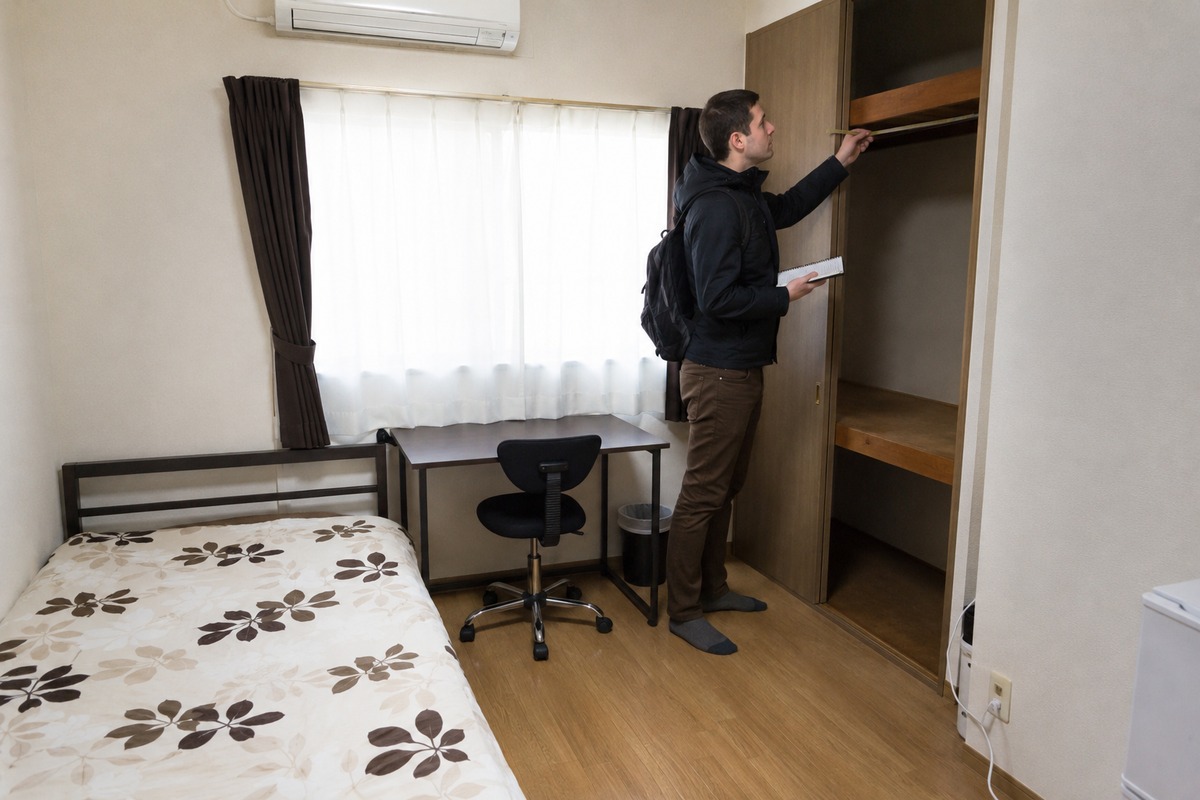
A viewing is the best way to test whether a share house feels comfortable. Photos often hide details such as noise, smell, sunlight, storage capacity, kitchen usability or the actual condition of common bathrooms.
If you cannot visit in person, request a live video tour rather than relying only on listing photos. Ask to see the route from the station, the building entrance, shared areas, your room, the closet, the bed, the desk and the laundry setup.
- Check the walk from the nearest station and the safety of the neighborhood.
- Look at kitchen size, refrigerator space, bathroom count and laundry access.
- Open the closet and inspect the room layout instead of trusting the stated size alone.
- Notice cleanliness, smell, ventilation and how well the house seems managed.
Check Fees, Contract Terms and House Rules Before You Apply
Many share houses are more flexible than ordinary apartments, but that does not mean all terms are simple. Before you apply, read the contract summary carefully and confirm the notice period for moving out, refund conditions, renewal policy and any penalties for short stays or rule violations.
House rules matter as much as price. Quiet hours, overnight guest limits, rubbish disposal, cleaning duties and common-space etiquette can strongly affect daily comfort, especially if many residents share one kitchen or bathroom.
- Confirm whether there is a deposit, non-refundable cleaning fee or contract administration fee.
- Ask how much notice you must give before moving out.
- Check rules on overnight guests, alcohol, smoking, parties and use of common areas.
- If anything is vague, ask for clarification in writing.
Prepare the Documents Needed for Screening
Required documents vary by operator, but many share houses ask for some combination of passport, residence card, visa status, student or employee information, emergency contact details and proof that you can pay the rent.
Prepare scans or clear photos in advance so you can apply quickly when you find a suitable room. If you are arriving from overseas, ask whether the operator accepts online identity checks and electronic signatures.
- Common documents: passport, residence card, visa or residence status details.
- Supporting info: school acceptance, employment details, emergency contact and payment method.
- Useful question: can you sign online and reserve before you are physically in Japan?
Watch for Red Flags and Avoid Rushed Decisions
Be cautious if a listing has very few real photos, if the operator refuses viewings, or if fees are explained only after repeated questions. Another warning sign is pressure to send money immediately before you receive a contract summary or clear room details.
You should also pause if the property appears poorly cleaned, the common spaces are overcrowded, the operator cannot explain who manages problems, or address registration is unclear. A slightly higher-quality house is often worth it if management is reliable and the rules are transparent.
- No clear fee breakdown.
- No viewing or only staged photos.
- Unclear move-out notice period or refund policy.
- Poor cleanliness, broken equipment or unclear house management.
Plan the Move-In and Address Registration Steps
After approval, confirm the move-in date, payment deadline, key handover method and any items you need to bring on day one. Because many share houses are furnished, your first setup may be much easier than with a standard apartment, but you should still confirm bedding, cookware and Wi-Fi availability.
If the share house is your main residence, ask how address registration works and whether there are any instructions for mailbox names or parcel delivery. This is especially important for city-hall procedures, My Number, bank setup and residence-card updates when required.
- Before arrival, confirm bedding, kitchen basics, internet and key handover details.
- Ask where to register your name for mail and deliveries.
- Check rubbish rules and emergency contact procedures from the first day.
Live Smoothly With Housemates After You Move In
Choosing the house is only the first step. Daily comfort depends on how well residents share the kitchen, bathrooms, noise limits and cleaning responsibilities. Small habits such as labeling food, wiping surfaces and answering house messages promptly can prevent bigger problems later.
If a rule or conflict is unclear, ask early rather than waiting until the issue grows. The best share houses feel easier because expectations are clear, management is responsive and residents respect each other’s routines.
- Follow the cleaning and garbage rules from the beginning.
- Respect quiet hours and shared refrigerator or storage space.
- Report maintenance issues quickly instead of ignoring them.
- Good communication matters as much as a low rent.

FAQ
Can foreigners rent a share house in Japan?
Yes. Many share houses actively accept foreign residents, and some are easier for first-time arrivals than standard apartments. Requirements still vary, so always confirm language support, required documents and address-registration policy before applying.
Is a guarantor always required for a share house?
Not always. Some operators do not require a personal guarantor, while others may ask for an emergency contact or separate screening information. Never assume the conditions are the same for every property.
What costs should I expect besides monthly rent?
Common extra costs include a management fee, utilities, internet, cleaning fee, contract administration fee and sometimes a deposit. Ask for the full amount due at move-in and the normal monthly total.
Can I register my address at a share house?
Often yes, but not every property handles this the same way. If you need the address for resident registration, banking or phone contracts, confirm the registration procedure before you sign.
Are utilities and furniture usually included?
Many share houses include basic furniture and may bundle utilities and Wi-Fi into the monthly fee, but the details differ by operator. Always check exactly what is included in your room and in the common areas.
What should I check during a viewing?
Inspect the room size, storage, mattress or bed condition, sunlight, noise, cleanliness, kitchen capacity, bathroom availability, laundry setup and the route from the nearest station. These details affect daily comfort more than the listing photos suggest.
Official References
Final Thoughts
A good share house is not just the cheapest room near a station. The best choice is the one with clear rules, transparent fees, realistic commuting access and a daily environment you can actually live with. If you compare total cost, inspect the house carefully and confirm the contract details before applying, you can avoid many common housing problems and move in with much more confidence.