
How to Prepare for Earthquakes in Japan: Home Safety, Supplies & Evacuation Guide
A practical 2026 earthquake-preparedness guide for residents in Japan: secure your home, build a realistic one-week stockpile, plan toilets and medicine, confirm hazard-specific evacuation places, understand tsunami action, and set up a family communication plan.
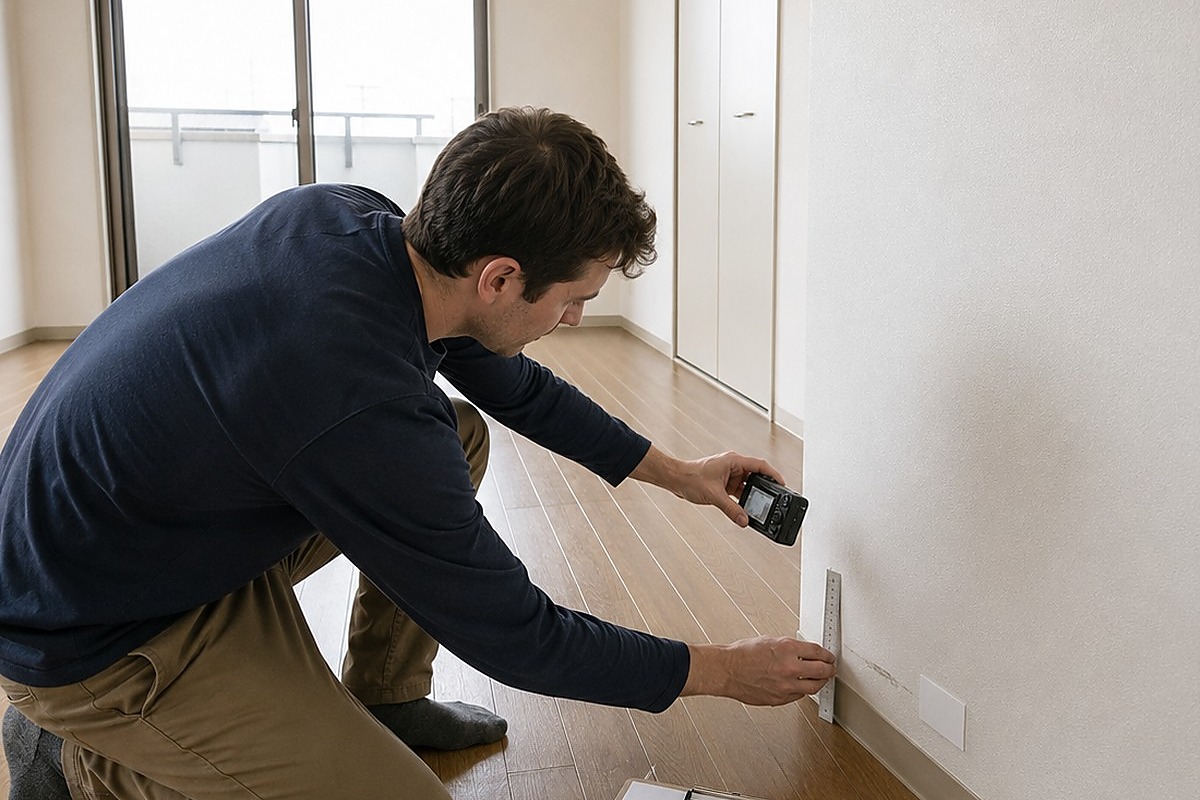
Start with the hazards and the room you are in, not with a generic emergency-bag checklist. Secure furniture and appliances so they cannot injure you or block exits, keep a clear route from beds and living areas to the door, and check your municipality’s hazard map and the correct designated emergency evacuation place for the hazards around your address. For household supplies, Japan’s Cabinet Office advises at least three days and preferably about one week of food and essentials, with drinking water at roughly three litres per person per day. Keep a separate light emergency bag for rapid evacuation. During strong shaking or an Earthquake Early Warning, protect yourself first; do not run outside or cross a shaking room to deal with appliances. If you are near the coast or a river and feel strong shaking or weak but long-lasting shaking, move to higher safe ground without waiting for a tsunami warning.
Check the hazards around your address before choosing an evacuation route
Your earthquake plan should match your actual address. Open your municipality’s disaster-prevention page and hazard maps and check earthquake shaking, liquefaction, fire-spread risk, tsunami, landslide and flood exposure where relevant. Do the same for your workplace, school or other place where you spend long periods.
Do not treat every school, park or public building as interchangeable. Japan distinguishes a designated emergency evacuation place, used to protect life from an immediate hazard, from a designated shelter, used for temporary accommodation. A location may serve both functions, but suitability can differ by hazard. Confirm the symbols and the hazard type shown by your municipality.
Walk at least two routes while conditions are normal. A route that looks short on a map may include a narrow road, old block wall, steep slope, bridge, glass frontage or coastal section that becomes unsafe after strong shaking.
- Save your municipality’s disaster-prevention page and hazard map offline or as screenshots.
- Identify the correct emergency evacuation place for earthquake, fire, tsunami or other local hazards rather than assuming one place covers everything.
- Choose a primary route and a backup route.
- Repeat the check after moving home or changing workplace.
Make each room survivable for the first seconds of shaking
Strong shaking can make walking difficult or impossible, so the safest action must be available within a few steps. Start with beds, sofas, desks and places where people spend time. Move tall or heavy furniture away from those positions when possible and keep a protected space where you can cover your head and body.
Furniture restraint is not one-size-fits-all. Fire and Disaster Management Agency guidance stresses fixing furniture to suitable structural parts and choosing methods that match the wall and furniture. In a rental, ask the landlord or management company before drilling or making structural changes.
Secure televisions, monitors, microwaves and other heavy appliances, add latches where cupboard contents could fall, put heavy items on lower shelves and reduce glass hazards near beds and exits. A restraint system that is installed incorrectly can create false confidence.
- Keep beds and sofas out of the fall zone of wardrobes, shelves and tall cabinets.
- Do not place furniture where it can fall across the only doorway.
- Use wall and furniture fixings appropriate to the actual construction.
- Secure cupboard doors and heavy appliances as well as tall furniture.
- Keep sturdy shoes, gloves and a flashlight where they can be reached after broken glass.
Protect your exit route and know the building’s escape features
An apartment can remain structurally usable while the interior becomes dangerous. Keep the route from sleeping and living areas to the entrance clear of cabinets, boxes and other objects that could slide or fall. Avoid storing anything in shared corridors or in front of fire doors and emergency equipment.
If you live in an apartment, learn how the balcony escape panel, emergency ladder and building fire doors work before you need them. Do not assume the balcony is always your best route; use the building’s instructions and the conditions you face after the shaking.
After a major earthquake, do not rush into an elevator. Follow building management and official instructions, and be prepared for stairs, power loss and restricted access.
- Keep exits clear on both sides of interior doors.
- Know where the stairs, fire doors and emergency equipment are.
- Store shoes, gloves and a light close to the bed, not across the room.
- Make sure every household member knows how to unlock the main entrance.
During shaking, protect yourself first; deal with fire and utilities afterward
The Japan Meteorological Agency says the basic response to an Earthquake Early Warning is to stay calm and secure your own safety according to the situation. The warning may give only seconds to tens of seconds before strong shaking. If you are indoors, protect your head and move away from unstable objects; shelter under a sturdy table when that is the safest nearby option.
Do not run outside while objects and glass are falling, and do not cross the room during strong shaking just to turn off a stove, gas valve or breaker. Once the shaking stops, check people first, then look for fire, sparks, damaged cords, gas smells, water leaks and blocked exits.
If you must evacuate and it is safe to do so, follow your utility and building instructions for shutting off electricity or gas. Never delay an urgent evacuation to perform a utility check, and never use a flame to investigate a suspected gas leak.
- Protect your head and body and stay away from falling objects.
- Do not rush outside during strong shaking.
- After the shaking, check injuries, fire, exits and official information.
- If you smell gas, avoid flames and switches that could create a spark and follow the utility company’s emergency guidance.
Build a realistic home stockpile for at least three days and preferably one week
Japan’s Cabinet Office recommends household supplies for at least three days and preferably about one week. For drinking water, the national guidance uses about three litres per person per day. That figure is for drinking and does not cover every need for washing, sanitation or pets.
A practical approach is rolling stock: buy extra quantities of food and daily necessities you already use, consume the oldest items first and replace them during normal shopping. This reduces expired emergency food and makes the stockpile more realistic for allergies, children and personal preferences.
Distribute supplies rather than keeping everything in one cupboard. A damaged cabinet, leak or blocked room should not destroy your entire reserve. Test whether you can actually prepare the food without normal electricity, gas or water.
- Drinking water: calculate roughly 3 litres × people × days.
- Ready-to-eat or low-water food your household already tolerates.
- Flashlights or headlamps, spare batteries and charged power banks.
- Battery or hand-crank radio as an independent information source.
- Regular medicines, first-aid items, hygiene supplies and seasonal clothing.
- Cash in small denominations and essential household contact information.
Plan for toilets, hygiene and medicine before they become emergencies
Toilets are often underestimated. Even when a building looks safe, water or sewer use may be restricted after damage. Follow your municipality and building management before flushing if pipes or sewer systems may be affected. Store portable toilet bags or another appropriate emergency toilet system, disposal bags, gloves and hygiene supplies.
Calculate toilet supplies for the actual household and the number of days you are preparing for. Include menstruation, infants, older adults, disability and caregiving needs. Water for hygiene and pets should be planned separately from the three-litres-per-person drinking-water estimate.
Keep regular medicine, prescription or medicine information, allergies, emergency contacts and medical-device details together. Ask your clinic or pharmacy how to maintain a reasonable emergency reserve because some medicines have storage, prescribing or insurance limits.
- Portable toilet supplies sized for realistic daily use.
- Opaque waste bags, gloves, wipes, sanitizer and toilet paper.
- Regular medicine plus medicine names, doses and allergy information.
- Spare glasses, hearing-aid batteries or mobility-device essentials where relevant.
- A power-outage plan for any medicine or device that depends on refrigeration or electricity.
Keep a separate emergency bag for fast evacuation
A home stockpile and an evacuation bag solve different problems. The stockpile supports staying home when the building and area are safe. The emergency bag is for leaving quickly, so it should be light enough for the person who will carry it and should not contain so much that it slows evacuation.
Pack for the hazards around you and the needs of the person carrying the bag. Water, compact food, medicine, a flashlight, radio, power bank, gloves, mask, rain protection, emergency toilet items and seasonal protection are typical priorities.
Do not permanently leave the only originals of irreplaceable documents in an unattended bag. Decide how you will collect essential originals safely, and keep secure copies or key details available without exposing personal information.
- Water and compact food for immediate use.
- Medicine and essential medical information.
- Flashlight, radio, batteries and power bank.
- Whistle, gloves, mask and weather protection.
- Portable toilet and hygiene items.
- Keys, cash and copies of critical information.
Make a communication plan that still works when normal calls are congested
After a major disaster, ordinary mobile calls may be congested even when some data services still work. Every household member should know a local meeting point, a backup point outside the immediate neighbourhood and one contact person outside the affected area.
NTT’s Disaster Emergency Message Dial 171 is activated when disaster-related call congestion occurs and provides a voice-message board. Learn the service before a disaster rather than for the first time during one. Web171 and mobile-carrier disaster message services may also be available depending on the event and provider.
For residents who do not read Japanese confidently, set up a multilingual information source in advance. The JMA provides multilingual earthquake and tsunami materials, and the Japan Tourism Agency-supervised Safety tips app can provide disaster push notifications in multiple languages.
- Choose one local and one backup meeting point.
- Choose an out-of-area contact person.
- Write down important numbers instead of relying only on the phone’s contact list.
- Learn 171 and your carrier’s disaster-message options.
- Enable emergency alerts and a trusted multilingual backup source if needed.

Know when staying home is safer and when evacuation cannot wait
Do not automatically go to a shelter after every earthquake. If your home is safe, there is no fire, tsunami, landslide or other immediate threat, and authorities have not instructed evacuation, remaining at home may be more practical and lets you use your own supplies. The correct decision depends on the building, local hazards and household needs.
Evacuate when the building or surrounding area is unsafe, when fire or another hazard threatens, when local authorities instruct you to leave, or when a household member cannot remain safely. Use the hazard-specific emergency evacuation place first when an immediate hazard requires it; a designated shelter serves a different role for temporary stay.
Tsunami risk is an exception where speed matters. JMA guidance says that if you are near the coast or a river and feel strong shaking, or weak but long-lasting shaking, begin evacuating immediately. If a tsunami warning or major tsunami warning is issued, move to higher ground or an appropriate tsunami evacuation building and remain evacuated until the warning or advisory is lifted.
- Home safe and no immediate external hazard: sheltering at home may be appropriate.
- Fire, structural danger, tsunami, landslide or evacuation instruction: leave without unnecessary delay.
- For tsunami risk, do not wait for visible waves or perfect information.
- Continue to follow official updates because aftershocks and secondary hazards can change the decision.
Extend the plan to work, school, pets and people who need extra assistance
An earthquake may happen while household members are separated. Ask workplaces, schools and care facilities what their earthquake procedures are, whether people are expected to remain on site and how reunification works when transport stops. In a large urban earthquake, immediately walking a long distance home may be less safe than waiting for reliable route information.
For pets, plan food, water, medication, a carrier or lead, identification and toilet supplies. Confirm your municipality’s rules because shelter arrangements for animals vary. Do not assume every evacuation facility can house pets in the same indoor space as people.
If anyone in the household has mobility, sensory, medical, language or cognitive needs, build the plan around the assistance actually required. Share essential instructions with trusted people and practise the route rather than relying on a written plan alone.
- Know workplace, school and care-facility sheltering and reunification rules.
- Prepare pet transport, food, water, medication and waste supplies.
- Include disability, pregnancy, infant and older-adult needs in both home stock and evacuation plans.
- Review the plan at least twice a year and after moving, changing jobs or changing household needs.

FAQ
How much water should I store for an earthquake in Japan?
Cabinet Office guidance uses about three litres of drinking water per person per day and recommends at least three days of household supplies, preferably about one week. Add separate water or alternatives for hygiene, pets and any special medical needs.
Should I go to an evacuation shelter immediately after an earthquake?
Not automatically. If your home and surrounding area are safe and there is no fire, tsunami, landslide or evacuation instruction, staying home may be appropriate. A designated emergency evacuation place protects life from an immediate hazard, while a designated shelter is for temporary stay; check your municipality’s hazard-specific information.
What should I do when an Earthquake Early Warning sounds?
JMA’s basic advice is to stay calm and secure your own safety according to the situation. Indoors, protect your head and move away from unstable objects; use a sturdy table if that is the safest nearby option. Do not run outside or cross a strongly shaking room to deal with appliances.
When should I evacuate for a possible tsunami?
If you are near the coast or a river and feel strong shaking, or weak but long-lasting shaking, start moving to higher safe ground immediately. Also evacuate immediately when a tsunami warning or major tsunami warning applies to your area, and remain away until official warnings or advisories are lifted.
What is the difference between a home stockpile and an emergency bag?
The home stockpile is the larger reserve used when you can safely shelter at home during disrupted utilities and supply chains. The emergency bag is a smaller, carryable set for rapid evacuation. Preparing both avoids the common mistake of trying to carry a one-week household stockpile.
Official References
- Cabinet Office — Natural-disaster preparedness checklist and household stockpile guidance
- Japan Meteorological Agency — What to do when you receive an Earthquake Early Warning
- Japan Meteorological Agency — Tsunami warnings, advisories and evacuation points
- Cabinet Office — Designated emergency evacuation places and designated shelters
- Fire and Disaster Management Agency — Earthquake disaster-prevention manual
- NTT East — Disaster Emergency Message Dial 171
Final Thoughts
A useful earthquake plan is not a pile of emergency goods. It is a chain of decisions that still works when the room is shaking, the power is out and your household is separated. Start with your actual address, make the rooms and exits safer, build a stockpile you will really rotate, prepare toilets and medicine, practise the evacuation route and agree on how everyone will communicate. Review the plan after moving and whenever your household changes, and treat municipal and JMA instructions as the source of truth during a real event.