
Japanese Dates, Eras & Year Formats in Japan: Reiwa 8 Guide
A practical 2026 guide to Japanese date formats, Reiwa era years, year-month-day order, conversion rules, fiscal years, and how to enter dates correctly on forms.
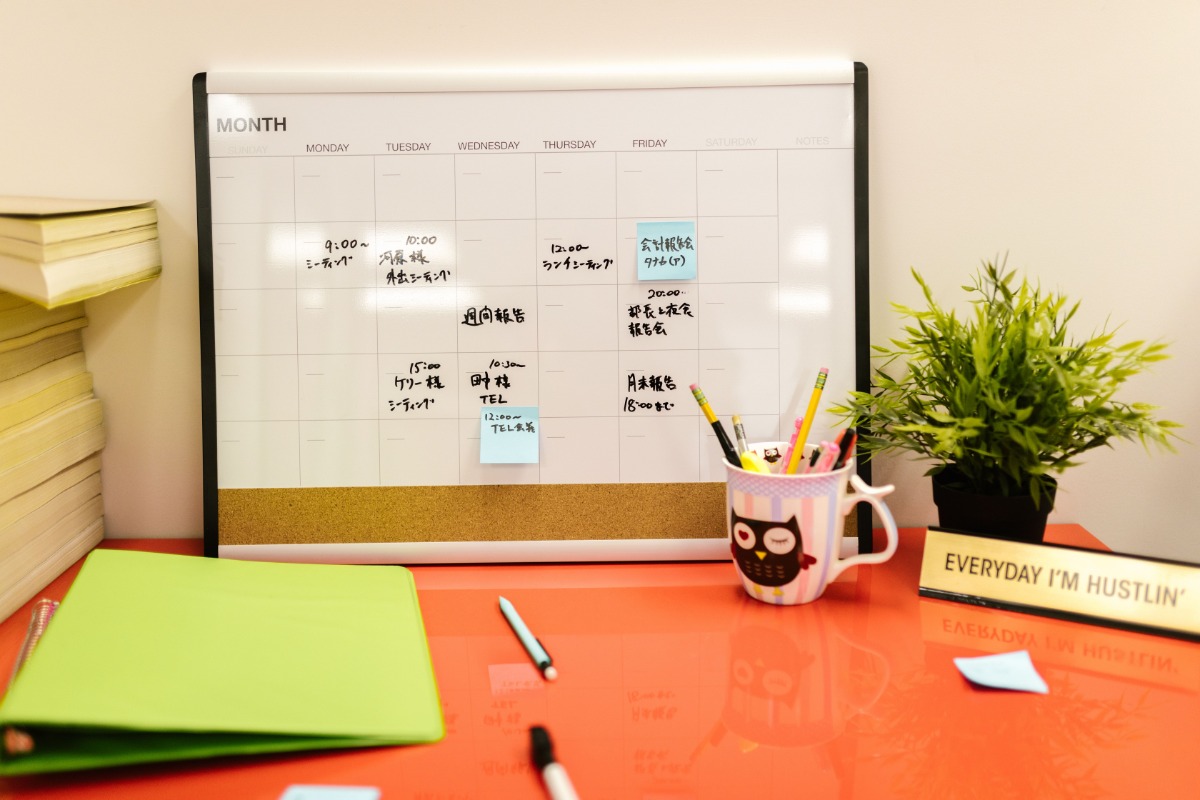
Japan commonly uses both Gregorian years (西暦, seireki) and Japanese era years (和暦, wareki). In 2026, the current era year is Reiwa 8 (令和8年). Japanese dates are normally read and written in year → month → day order, so April 15, 2026 can appear as 2026年4月15日 or 令和8年4月15日. Before entering a date on a form, check whether the field asks for 西暦, 和暦, a specific era name, or a numeric format such as YYYY/MM/DD.
Seireki and Wareki: Japan’s Two Year Systems
Seireki (西暦) is the Gregorian year system used internationally. You will see four-digit years such as 2026 on many websites, databases, foreign-language forms, passports, and digital systems.
Wareki (和暦) uses a Japanese era name plus the number of years since that era began. The current era is Reiwa (令和). Reiwa began on May 1, 2019, and 2026 corresponds to Reiwa 8.
A form may accept either system, but many forms specify one. Do not assume that a four-digit Gregorian year is always acceptable in a field already labeled 令和, 平成, 昭和, or 和暦.
- 西暦 = Gregorian year, such as 2026
- 和暦 = Japanese era year, such as 令和8年
- 令和元年 = the first year of Reiwa, beginning May 1, 2019
What Year Is 2026 in the Japanese Era Calendar?
The House of Councillors’ official era-to-Gregorian comparison table lists 2026 as Reiwa 8. A quick conversion for Reiwa is Gregorian year − 2018, so 2026 − 2018 = 8.
The subtraction shortcut is useful only after you confirm the correct era. Transition years can contain dates from two eras, so the complete month and day matter.
- 2026 = Reiwa 8 (令和8年)
- 2025 = Reiwa 7 (令和7年)
- 2024 = Reiwa 6 (令和6年)
- 2019 = Heisei 31 through April 30, then Reiwa 1 from May 1
How Japanese Dates Are Written
The standard Japanese order is year → month → day. The kanji units are 年 for year, 月 for month, and 日 for day.
A date may be written with kanji, slashes, hyphens, or separate input boxes. When the order is Japanese, 2026/04/15 means April 15, 2026.
If an era name is already printed on the form—for example, 令和 年 月 日—enter only the era-year number in the year box unless the instructions say otherwise.
- 2026年4月15日 = April 15, 2026
- 令和8年4月15日 = April 15, 2026
- 2026/04/15 = Japanese-style numeric order when the system uses YYYY/MM/DD
- 2026-04-15 = common digital ISO-style presentation

Modern Era Conversion and Transition Years
For recent eras, the following arithmetic is a useful shortcut: Reiwa year = Gregorian year − 2018; Heisei year = Gregorian year − 1988; Showa year = Gregorian year − 1925; Taisho year = Gregorian year − 1911; Meiji year = Gregorian year − 1867.
The first year of an era is often written 元年 (gannen) rather than 1年. Reiwa 1 may therefore appear as 令和元年.
Never use the arithmetic alone for a transition year. January 1–7, 1989 was Showa 64 and January 8 onward was Heisei 1. January 1–April 30, 2019 was Heisei 31 and May 1 onward was Reiwa 1.
- Reiwa: 2019–present
- Heisei: January 8, 1989–April 30, 2019
- Showa: December 25, 1926–January 7, 1989
- Taisho: July 30, 1912–December 24, 1926
- Meiji: used for earlier modern records
How to Read Date Fields on Japanese Forms
Before entering numbers, identify the calendar system and the box order. Look for 西暦, 和暦, 令和, an era-choice row, an example entry, or labels such as 年・月・日.
Some forms display several era choices such as 明・大・昭・平・令 or Roman-letter abbreviations M・T・S・H・R. Choose the era that contains the exact date and then enter the era-year number.
Digital forms may require a four-digit Gregorian year, a date picker, or a specific separator. If an online field rejects a date that is logically correct, check character width, spaces, separators, and leading zeros.
- If the field says 西暦, enter a four-digit Gregorian year.
- If the field says 和暦 or prints 令和, use the era-year format requested.
- If the screen shows YYYY/MM/DD or YYYY-MM-DD, follow that exact structure.
- If the rule is unclear, confirm with the responsible office rather than guessing.
Numbers, Leading Zeros, and Character Width
Paper documents may display full-width numbers such as 2026, while most online forms expect half-width numbers such as 2026.
Leading zeros depend on the system. A fixed-width digital field may require 04 for April and 05 for the fifth day, while a paper form may accept 4 and 5.
Abbreviations such as R8, H30, or S60 are convenient but should only be used when the form clearly accepts them.
- Half-width: 2026
- Full-width: 2026
- Fixed-width example: 2026/04/05
- Do not add kanji or spaces to a numbers-only field
Calendar Year and Fiscal Year Are Not the Same
年 normally refers to a calendar year. 年度 refers to an accounting, school, program, or operating year defined by the relevant institution.
For the national government, the fiscal year begins on April 1 and ends on March 31 of the following year under the Public Finance Act. Therefore, 令和8年度 in that context runs from April 1, 2026 through March 31, 2027.
This distinction matters when reading tax notices, insurance premiums, municipal programs, school information, subsidies, and administrative records. Always read the stated coverage period.
- 令和8年 = calendar year 2026
- 令和8年度 = fiscal/program year whose exact period depends on the system
- National-government FY2026 = April 1, 2026–March 31, 2027

Deadlines, Issue Dates, and Validity Periods
Japanese notices often place the date next to a label that tells you what the date means. Read the label before focusing on the numbers.
Common labels include 申請期限 for application deadline, 有効期限 for validity deadline, 交付日 for date of issue, 発行日 for issuance date, and 対象期間 for the applicable period.
A range such as 令和8年4月1日から令和9年3月31日まで means from April 1, 2026 through March 31, 2027. The words から and まで identify the start and end.
- 申請期限 = application deadline
- 有効期限 = validity/expiration deadline
- 交付日 = date of issue
- 発行日 = issuance date
- 対象期間 = applicable period
What to Do When a Date Is Rejected
A rejected date does not always mean the date itself is wrong. It may be the wrong calendar system, wrong order, unsupported separator, full-width character, or duplicated era label.
For important identity, tax, residence, insurance, employment, or immigration records, compare the date with the official document before resubmitting. If the receiving form requires conversion, keep the original document available while you check the converted value.
If you need to ask staff, you can say: この日付は西暦で入力しますか、和暦で入力しますか。 This means, “Should I enter this date in the Gregorian calendar or the Japanese era calendar?”
- Check 西暦 vs 和暦
- Check year → month → day order
- Remove extra kanji or spaces if numbers only are required
- Switch full-width numbers to half-width numbers for web forms
- Check leading-zero requirements
- Verify transition-year dates using an official comparison source
FAQ
What year is 2026 in the Japanese era calendar?
2026 is Reiwa 8, written 令和8年. The official House of Councillors comparison table lists 令和8年 as 2026.
Is Reiwa 1 written 令和1年 or 令和元年?
Both can identify the first year, but 令和元年 is the conventional written form used in many official contexts. Numeric systems may use 令和1年.
Does Japan normally write month-day-year?
No. Japanese documents normally use year-month-day order. International or foreign-language systems may use another order, so follow the field labels or example shown.
Why do 1989 and 2019 have two Japanese era names?
Because the era changed during each calendar year. January 1–7, 1989 was Showa 64 and January 8 onward was Heisei 1. January 1–April 30, 2019 was Heisei 31 and May 1 onward was Reiwa 1.
What does 年度 mean?
年度 means a fiscal, school, program, or operating year rather than automatically meaning January through December. For the national government, the fiscal year runs from April 1 to March 31 of the following year.
What should I do if a Japanese online form rejects my date?
Check the requested calendar system, year-month-day order, half-width versus full-width digits, separators, spaces, leading zeros, and whether the era name is already printed. If it still fails, contact the responsible office.
Official References
- House of Councillors: Era and Gregorian Year Comparison Table
- e-Gov Law Search: Era Name Act
- Prime Minister of Japan and His Cabinet: New Era Name Reiwa and May 1, 2019 Start
- National Tax Agency: Notice on the New Era Name
- e-Gov Law Search: Public Finance Act, Article 11
- Immigration Services Agency: Current 2026 Form Example Showing Era and Gregorian Date Fields
Final Thoughts
Identify the calendar system before entering the numbers. In 2026, the current Japanese era year is Reiwa 8. Use Gregorian years for fields marked 西暦, use the requested era format for 和暦 fields, and normally read Japanese dates in year → month → day order. Transition years, fiscal-year labels, character width, and fixed digital formats are common sources of mistakes. For important paperwork, compare the date with an official record and ask the responsible office whenever the required format is unclear.