
How to Read Electricity, Gas, and Water Bills in Japan: Utility Bill Guide
A practical 2026 guide to reading utility bills in Japan: electricity, city gas, LP gas, water and sewerage, billing periods, usage, adjustments, temporary discounts, deadlines and high-bill checks.

To read a Japanese electricity, gas or water bill, first find five items: the account or service location, the billing period, the amount used, the total amount due, and the payment or withdrawal date. Then read the service-specific lines. Electricity is normally measured in kWh, while gas and water are normally measured in m³. Electricity may include a basic charge, energy charge, fuel-cost adjustment and renewable-energy surcharge. City gas commonly uses a basic charge plus a usage charge whose unit price can be adjusted for raw-material costs. LP gas bills must now separate basic, usage and equipment charges under the current three-part billing rules. Water bills are local and may combine water and sewerage charges. Do not judge a bill only by the final yen amount: compare the number of billing days, actual usage and adjustment or discount lines with the previous statement.
First identify what kind of document you are looking at
Japanese utilities may send a paper invoice, payment slip, meter-reading notice, email notification, app notice or online statement. These documents can overlap, but they are not always the same thing.
A 請求書 (seikyūsho) is an invoice or bill. A 払込票 (haraikomihyō) is a payment slip, often with a barcode. A 検針票 (kenshinhyō) is a meter-reading notice. A 領収書 or 領収証 is a receipt. ご使用量のお知らせ is a common phrase for a usage notice.
Before assuming a bill is missing, check the supplier's official portal or app. Many providers now deliver usage and billing information digitally.
- 請求書 — invoice or bill
- 払込票 — payment slip
- 検針票 — meter-reading notice
- 領収書 / 領収証 — receipt
- ご使用量のお知らせ — usage notice
Find the same eight fields on every utility statement
The layout changes by electricity retailer, gas supplier and water authority, but the same core information usually appears somewhere on the statement.
Start with the customer or contract number and confirm the service address. Then find the billing or meter-reading period, current usage, plan or contract information, charge breakdown, total amount, payment date and official supplier contact details.
This method is especially important after moving because an old-home final bill and a new-home first bill can arrive close together.
- Customer number or contract number
- Service address
- Billing or meter-reading period
- Usage amount
- Plan or contract size
- Charge breakdown
- Total amount due
- Payment deadline or withdrawal date
How to read an electricity bill
Electricity usage is normally shown as 使用電力量 in kWh. Compare the current kWh with the previous month and, where the portal provides it, the same season of the previous year.
The Agency for Natural Resources and Energy explains the traditional electricity-bill structure as a basic charge plus an electricity-usage charge, adjusted by a fuel-cost adjustment, with the renewable-energy surcharge added. Competitive plans can use different structures, including fixed-price, time-of-use and market-linked elements, so the exact plan page remains authoritative.
Common labels include 基本料金 for the fixed or contract-related charge, 電力量料金 for the usage-based charge, 燃料費調整額 for the fuel-cost adjustment and 再生可能エネルギー発電促進賦課金 for the renewable-energy surcharge.
- 使用電力量 — electricity usage in kWh
- 基本料金 — basic charge
- 電力量料金 — energy charge
- 燃料費調整額 — fuel-cost adjustment
- 再エネ賦課金 — renewable-energy surcharge
- 割引 / 調整額 — discounts or other adjustments
Know the two electricity lines that change even when your usage does not
The fuel-cost adjustment can rise or fall as imported fuel prices and other formula inputs change under the applicable plan. That means two months with similar kWh can still produce different yen totals.
The renewable-energy surcharge is also usage-based but its national unit rate changes by fiscal year. For 2026, the surcharge is ¥4.18 per kWh and applies from the May 2026 meter-reading bill through the April 2027 meter-reading bill.
When the bill changes sharply, compare kWh first, then the fuel or market adjustment, then the renewable-energy surcharge and any plan-specific adjustment before concluding that the meter is wrong.
- Compare kWh before comparing yen
- Check the monthly fuel or market adjustment
- 2026 renewable-energy surcharge: ¥4.18/kWh
- Check whether your plan has another market-linked adjustment
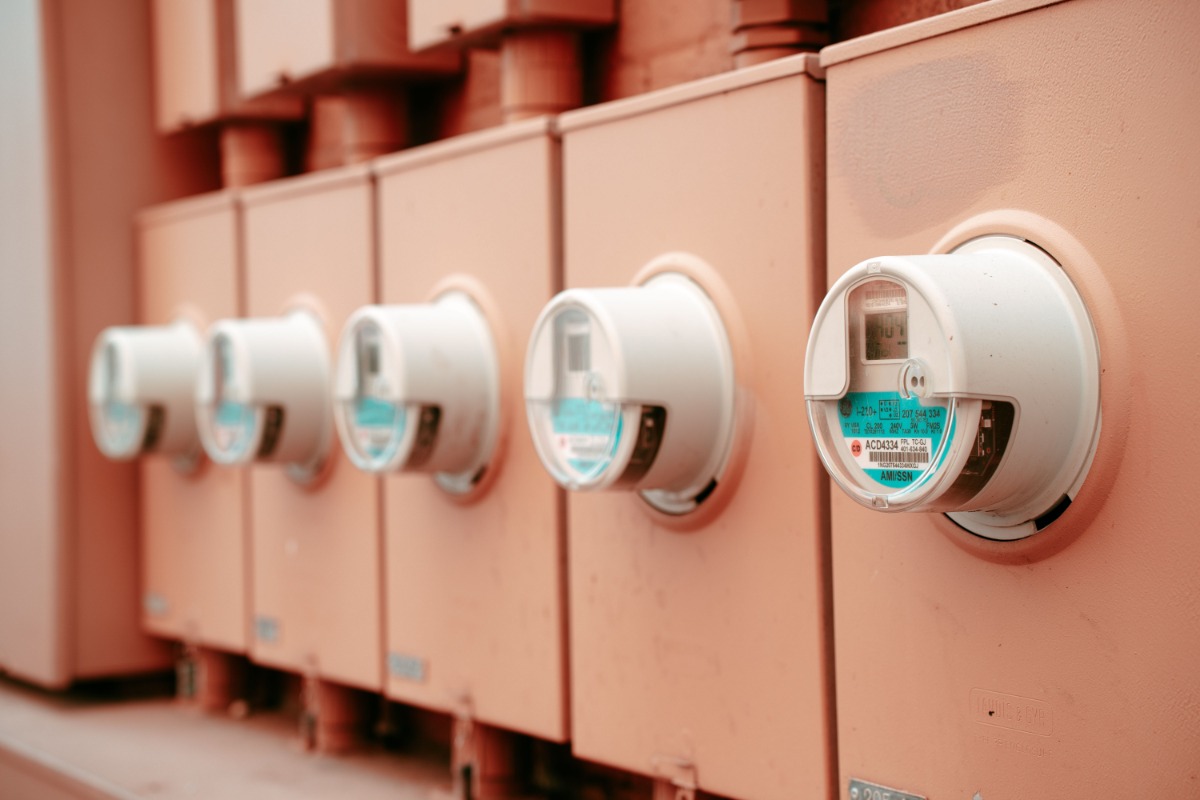
A temporary 2026 government discount can also change the electricity or gas total
Japan is running a temporary electricity and city-gas support program for 2026 summer usage. The discount is applied through participating suppliers, so the household does not normally submit a separate application simply to receive the ordinary bill reduction.
For low-voltage electricity, the support rate is ¥3.5/kWh for July 2026 usage, ¥4.5/kWh for August usage and ¥3.5/kWh for September usage. For city gas, the corresponding rates are ¥14/m³, ¥18/m³ and ¥14/m³.
These are temporary 2026 support rates, not permanent utility prices. If you compare bills across months, check whether a government support or discount line was present in one period but not the other.
- July 2026 usage: electricity ¥3.5/kWh; city gas ¥14/m³
- August 2026 usage: electricity ¥4.5/kWh; city gas ¥18/m³
- September 2026 usage: electricity ¥3.5/kWh; city gas ¥14/m³
- Treat these as temporary discount lines, not the normal tariff
How to read a city-gas bill
City-gas usage is normally shown in m³. A common tariff structure uses a basic charge plus a usage charge, with the applicable unit rate depending on the usage band or plan.
City-gas suppliers can use a raw-material cost adjustment. Tokyo Gas, for example, explains that the unit rate is adjusted each month using a formula linked to average LNG and LPG raw-material prices. The exact calculation and coefficients differ by supplier and service area.
If your gas bill rises, compare both m³ and the adjusted unit rate. Winter bathing, reheating bathwater, gas heating and longer hot-water use can raise consumption even when cooking habits do not change.
- ガス使用量 — gas usage in m³
- 基本料金 — basic charge
- 従量料金 — usage charge
- 単位料金 — unit rate
- 原料費調整 — raw-material cost adjustment
LP gas is different: look for the three-part billing display
Do not use a city-gas bill example to interpret LP gas or propane. LP gas suppliers and prices are different, and current national rules require clearer charge separation.
Since April 2, 2025, LP gas suppliers must separate the amount charged into 基本料金 (basic charge), 従量料金 (usage charge) and 設備料金 (equipment charge). The rules also prohibit charging unrelated equipment such as air conditioners, intercoms or Wi-Fi devices as LP gas charges for new contracts, and impose stricter treatment of equipment charges in rental housing.
If an equipment charge appears, check exactly what it covers and compare it with the contract. A high LP gas bill can come from both higher usage and a high per-unit tariff, so compare the unit price as well as m³.
- 基本料金 — basic charge
- 従量料金 — usage-based charge
- 設備料金 — equipment charge
- Check the contract when an equipment charge appears
- Do not compare LP gas directly with a city-gas tariff
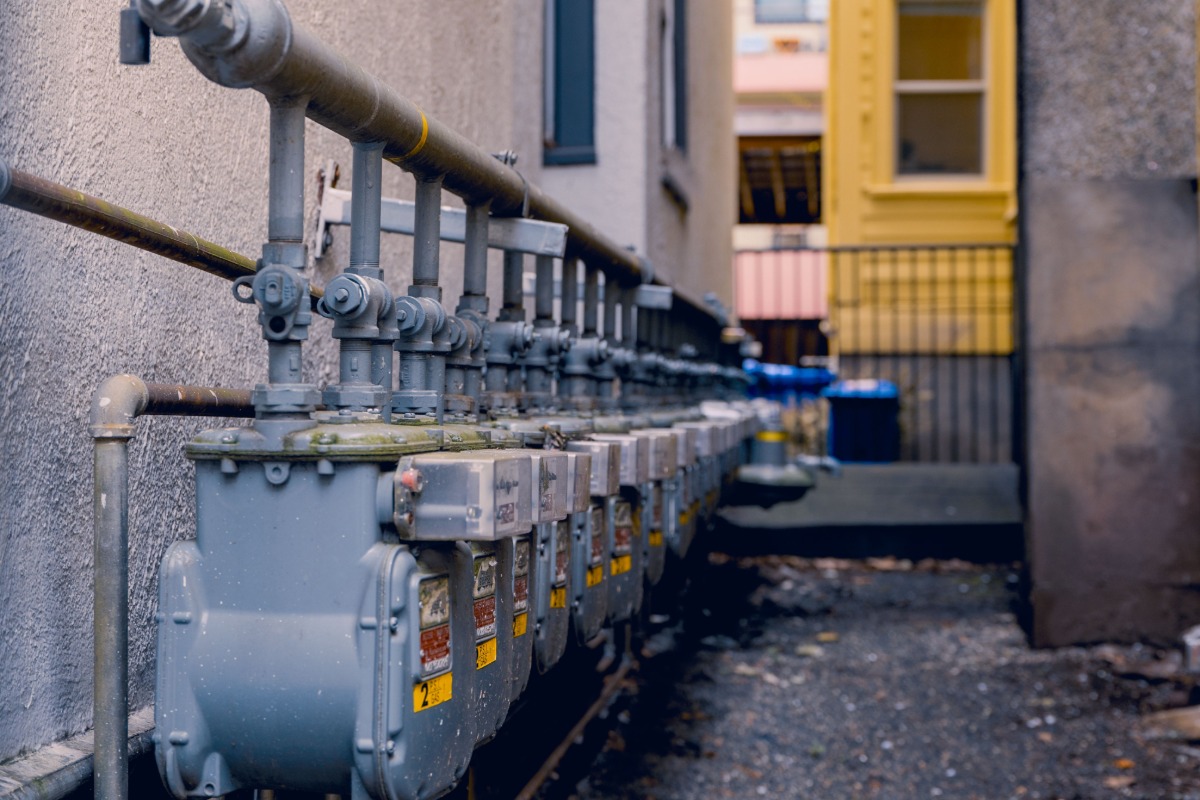
How to read a water and sewerage statement
Water billing is local, so the labels, billing cycle, tariff and payment schedule depend on the municipality or water authority. Some apartment residents are billed through a landlord or management company instead of directly by the local water bureau.
Water usage is normally shown in m³. In Tokyo, the meter-reading notice identifies the customer number, current charge, scheduled bank-withdrawal amount and date, next scheduled meter reading and previous payment information. It can also show old-meter usage when a meter has been replaced.
Many statements show 水道料金 (water charge) and 下水道料金 (sewerage charge) separately before combining them. Check whether your statement covers one month or two months before comparing it with electricity or gas.
- お客さま番号 — customer number
- 使用水量 — water usage in m³
- 水道料金 — water charge
- 下水道料金 — sewerage charge
- 口座振替予定日 — scheduled bank-withdrawal date
- 次回検針予定日 — next meter-reading date
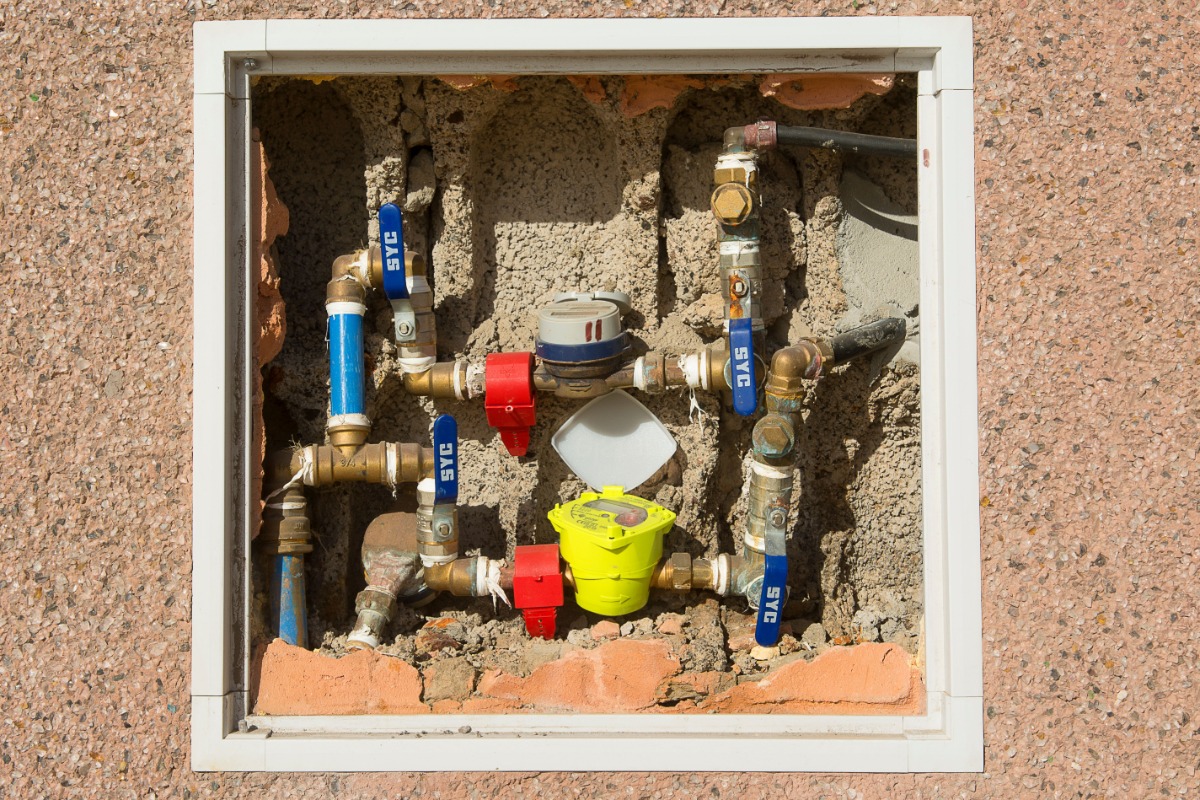
Check the payment method and date before worrying about the bill
The amount shown on a statement is not always due immediately. Look for 支払期限, 口座振替日 or 振替予定日 and confirm whether the bill is paid by automatic bank withdrawal, credit card, payment slip or another supported method.
A meter-reading notice can show a future scheduled withdrawal while another section confirms that the previous payment was completed. Do not mistake the previous receipt line for an additional charge.
If you use a payment slip, check the due date and barcode condition. If you use automatic payment, confirm the account balance before the scheduled withdrawal.
- 支払期限 — payment deadline
- 口座振替日 — bank-withdrawal date
- 振替予定日 — scheduled withdrawal date
- 領収 — payment received / receipt information
- Confirm whether the statement is a bill, notice or receipt
Use a four-step check when a utility bill suddenly looks too high
Do not start by comparing only the final yen total. A useful diagnostic sequence is usage, billing days, unit or adjustment lines, then one-off charges or corrections.
First compare kWh or m³ with the previous period. Second, compare the number of days in the billing period. Third, compare fuel, raw-material, market or government-support adjustments. Fourth, check plan changes, first or final bills, missed discounts, previous unpaid amounts and corrections.
For water, an unexplained jump in m³ can justify checking for a leak or asking the water authority about the reading. For electricity or gas, compare the provider's online hourly or daily usage data when available.
- Compare usage
- Compare billing days
- Compare unit rates and adjustment lines
- Check one-off charges, corrections and missed discounts
Be cautious with unexpected payment demands and supplier-switch claims
Electricity and gas liberalization created many different retail plans, including market-linked and bundled plans. The Electricity and Gas Market Surveillance Commission warns consumers to understand the actual price formula and contract conditions rather than relying only on a sales simulation.
If you receive an unexpected SMS, email or phone call demanding immediate payment, do not use the contact details in the message until you independently confirm the supplier through its official website, app or a verified bill.
Also confirm the supplier name before paying a final bill after moving. A genuine old-address invoice can arrive after a new contract has already started at the new home.
- Verify the supplier independently
- Do not pay through an unexpected link without checking
- Understand whether the plan is market-linked
- Keep final bills after moving until the account is settled
FAQ
What units are used on Japanese utility bills?
Electricity is normally measured in kWh. City gas, LP gas and water are normally measured in cubic metres (m³). Always compare the usage unit as well as the final yen amount.
Why did my electricity bill rise even though I used about the same kWh?
Check the fuel-cost or market adjustment, the renewable-energy surcharge, plan-specific unit rates and temporary discounts. A similar kWh total can still produce a different bill.
What is the renewable-energy surcharge on a 2026 electricity bill?
For the 2026 fiscal-year application period, the national renewable-energy surcharge is ¥4.18 per kWh, applied from the May 2026 meter-reading bill through the April 2027 meter-reading bill.
Why does my gas bill show an equipment charge?
If you use LP gas, current rules require the bill to separate basic, usage and equipment charges. Check what the equipment charge covers and whether it matches the contract. City-gas billing uses a different structure.
Why are water and sewerage shown separately?
Many local water authorities calculate water supply and sewerage as separate charges and then combine them into one amount due. The exact tariff and billing cycle depend on the municipality or water authority.
What should I check first if a utility bill suddenly doubles?
Compare the actual usage, number of billing days, unit or adjustment lines, then check for first/final billing, previous unpaid amounts, plan changes, lost discounts or corrections.
Official References
- Agency for Natural Resources and Energy: Monthly Electricity Bill Structure
- METI: 2026 Renewable-Energy Surcharge Rate
- METI: 2026 July–September Electricity and City-Gas Support
- Tokyo Gas: Raw-Material Cost Adjustment System
- METI: LP Gas Three-Part Billing Rules
- Tokyo Metropolitan Government Bureau of Waterworks: How to Read a Meter-Reading Notice
- Tokyo Metropolitan Government Bureau of Waterworks: Payment Methods
- Electricity and Gas Market Surveillance Commission: Consumer Information and Contract Cautions
Final Thoughts
The fastest way to understand utility bills in Japan is to separate usage from price. Confirm the service address and billing period, compare kWh or m³ first, then read the basic charge, unit charge, adjustment, discount and combined-service lines. If the total still does not make sense, use the supplier's official statement guide and compare the exact plan or local tariff rather than relying on a generic bill example.