
How Credit Checks Work in Japan: CIC, JICC, KSC & Screening Guide
A practical guide to credit checks in Japan: what CIC, JICC and KSC record, how long information stays, how card, loan and mobile-installment screening differ, and what foreign residents can do after a rejection.
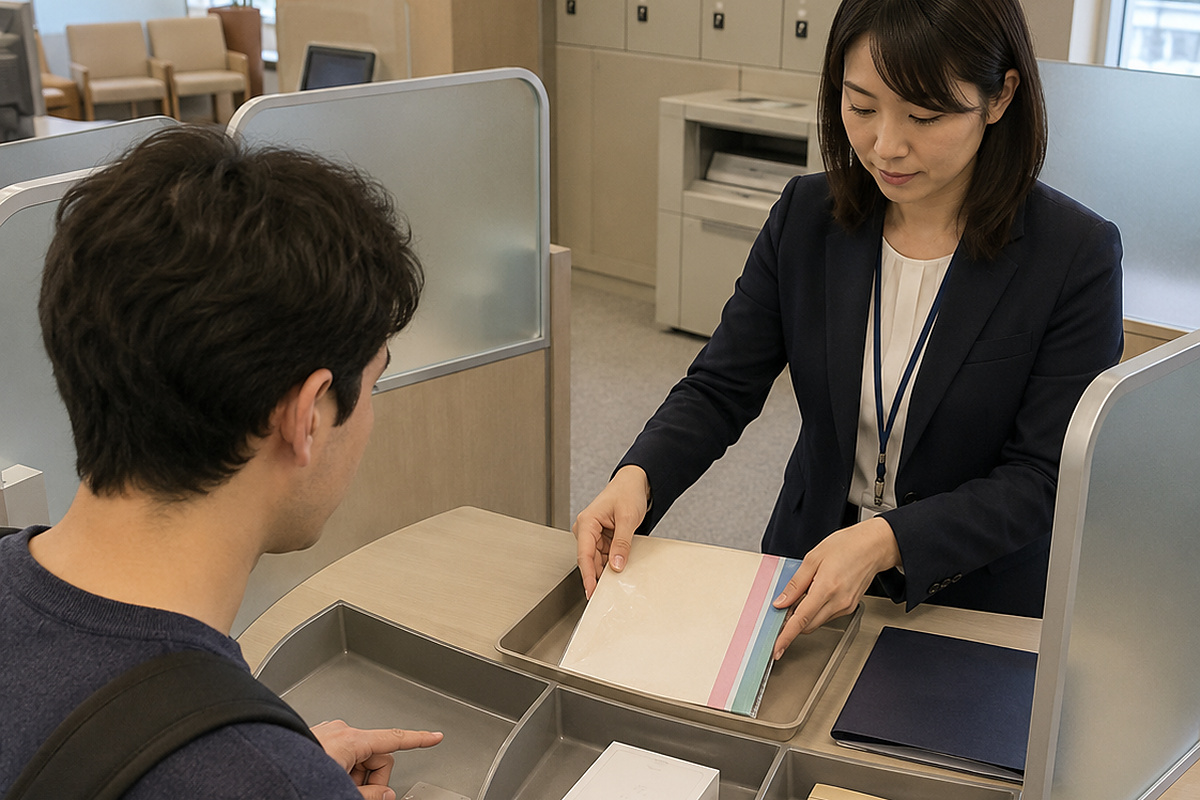
Japan does not use one universal public credit score that automatically approves or rejects everyone. Card issuers, lenders, guarantee companies and installment providers make their own decisions using application details, identity and fraud checks, internal customer history and information from one or more credit bureaus. The three main personal credit information institutions are CIC, JICC and the Japanese Bankers Association Personal Credit Information Center (KSC). Their records can include applications, contracts, balances, repayment status and serious delinquency events. CIC also provides a Credit Guidance index from 200 to 800 based on objective transaction facts, but it is only one reference point and does not replace each provider's own screening.
What a Japanese Credit Check Actually Does
A Japanese credit check is a provider's assessment of whether it is willing to enter into a credit, loan, guarantee or installment contract with you. Depending on the product, the process may be described as 審査 (shinsa), 与信審査 (yoshin shinsa) or, under specific consumer-credit rules, a 支払可能見込額調査 (estimated payment capacity investigation).
The provider can combine several layers of information. These may include the details you enter on the application, identity verification, fraud-prevention checks, information supplied by a personal credit information institution, and the provider's own history with you. The final decision is company-specific, so two providers can review similar information and reach different results.
A bureau does not make the approval decision for the lender. CIC, JICC and KSC collect and provide credit information to eligible members under their respective rules. Even CIC's Credit Guidance index is positioned as reference information that participating companies may use alongside other information.
- Identity matching: name, date of birth, current and previous address, telephone number and identification details
- Application information: employment, income, housing, requested product and requested limit
- Credit-bureau information: applications, contracts, balances, repayment status and registered events
- Internal records: prior applications, account use, returned payments, fraud alerts and other customer history
- Legal affordability checks that apply to certain installment-credit or money-lending products
CIC, JICC and KSC: The Three Main Credit Information Institutions
Japan's personal credit information system is split across several institutions rather than one national database. The three most important for ordinary consumer credit are CIC, JICC and the Japanese Bankers Association Personal Credit Information Center, usually called KSC.
CIC is widely used for credit cards, shopping credit, loans, guarantees and installment purchases, including some mobile-device installment contracts. CIC is a designated credit bureau under both the Installment Sales Act and the Money Lending Business Act.
JICC is a designated credit bureau under the Money Lending Business Act and is commonly used by consumer-finance companies, credit companies, guarantee companies and other participating lenders. KSC is operated by the Japanese Bankers Association and mainly covers loans, credit cards, guarantees and other credit information provided by participating banks and financial institutions.
The three institutions also exchange specific categories of information through formal systems. That does not mean every item in one bureau is copied into the others. When investigating a rejection, check the provider's application terms or privacy notice to see which institutions it says it will use.
- CIC: strong relevance to credit cards, shopping credit and installment purchases
- JICC: strong relevance to consumer finance and participating lenders
- KSC: strong relevance to bank lending, bank-issued credit products and guarantees
- A provider or guarantee company may belong to more than one institution
- One disclosure report may therefore be incomplete for a product that involves multiple companies
What Can Be Recorded in a Credit File
The exact fields vary by institution and product, but personal credit information commonly includes identifying information, application inquiries, contract details, balances and repayment status. Serious transaction events can also be registered when the institution's rules allow it.
Application information records the fact that a member checked the bureau in connection with a new application. Contract information can show the provider, product type, contract date, credit limit or original amount, outstanding balance and whether the account remains open or has ended.
Payment information is especially important because a report may show whether scheduled amounts were paid as agreed, delayed or otherwise reported by the provider. Do not interpret a single symbol without the bureau's current report guide because the notation differs between institutions.
- Identity data such as name, date of birth, address, phone number and certain employer or ID details
- Application or inquiry records linked to a new card, loan, guarantee or installment application
- Contract amount, credit limit, balance, repayment schedule and account status
- Payment history, delinquency status and the date a delay was resolved
- Depending on the institution: guarantee performance, compulsory cancellation, debt collection, debt restructuring, bankruptcy or civil-rehabilitation information
What Is Not the Same as a Credit-Bureau Record
A Japanese credit file is not a general background-check database. CIC states that its credit information is based on objective credit and transaction facts and does not include information such as race, beliefs, health information or criminal history.
Your salary is not automatically copied into a bureau report just because an employer pays you. A lender or card issuer may ask you to declare income or provide evidence separately. Likewise, an overseas credit score is not ordinarily imported into CIC, JICC or KSC as a Japanese bureau record.
A landlord, employer, immigration officer or private individual cannot simply browse your consumer credit file. Access is limited by the institution's membership, purpose and consent or legal basis. Rental screening can still involve a guarantee company or other checks, but it should not be assumed that every apartment rejection is a CIC, JICC or KSC event.
How Long Credit Information Remains
There is no single rule that every negative item disappears exactly five years after the day you first miss a payment. Retention depends on the institution, the type of information and, for some records, when the contract ends or the event occurs.
CIC keeps application information for six months from the inquiry date and credit information during the contract and for up to five years after the contract ends. JICC also keeps application information for up to six months and, for many contracts entered into from October 2019 onward, contract information during the contract and for up to five years after the contract ends.
KSC keeps transaction information during the contract and for no more than five years after contract termination, or after full repayment when the account was not fully repaid at termination. KSC provides application inquiry information to members for no more than six months, while the applicant's own disclosure may show it for up to one year. KSC official-gazette information relating to bankruptcy or civil rehabilitation is retained for no more than seven years from the decision date.
Paying an overdue amount can change the balance or status, but it does not necessarily erase the historical record immediately. Accurate information normally remains until the applicable retention period expires.
- CIC application information: 6 months
- CIC credit information: contract period plus up to 5 years
- JICC application information: up to 6 months
- JICC contract information for many post-October-2019 contracts: contract period plus up to 5 years
- KSC transaction information: contract period plus up to 5 years after the relevant end or full-repayment date
- KSC official-gazette bankruptcy/civil-rehabilitation information: up to 7 years

Credit Cards, Loans and Installments Are Not Identical
Different products are screened under different commercial and legal frameworks. A credit-card shopping limit, a cash advance, a consumer loan, a bank loan and a handset installment should not be treated as interchangeable.
For installment-credit products, the Ministry of Economy, Trade and Industry explains that providers may need to investigate estimated payment capacity. The calculation can consider annual income, living expenses, existing credit obligations, repayment history and other factors. For covered money-lending products, the Money Lending Business Act's general total-lending rule can restrict new borrowing when borrowing from money lenders would exceed one-third of annual income, subject to exclusions and exceptions.
Credit-card cash advances fall within the money-lending framework, while ordinary card shopping is not treated as a cash advance for the one-third rule. Bank loans are also outside the Money Lending Business Act's total-lending rule, although banks still conduct their own affordability and risk checks.
A mobile handset bought in installments is a credit contract. If handset installments are billed together with communication charges and the combined bill is not paid, the credit consequences can be more serious than a temporary service interruption.
- Credit-card shopping: installment-credit rules and issuer-specific screening
- Cash advances: money-lending rules can apply
- Consumer loans from money lenders: the one-third-of-income total-lending rule can be relevant
- Bank loans: not subject to the Money Lending Business Act total-lending rule, but still screened
- Mobile handset installments: can create credit-bureau records separate from the mobile service itself
What Foreign Residents Should Know
Having little or no Japanese credit history is not the same as having bad history. A recent arrival may simply have fewer domestic payment records for a provider to evaluate. The provider may therefore place more weight on other information, such as identity verification, employment, income, address stability, residence status, remaining period of stay and the requested product.
Name matching can be a practical problem. Long names, middle names, different spacing, katakana versions, married names and shortened web-form entries can make an older record harder to match. Use the legal name format requested by the provider and keep a record of the spelling, address and phone number used for earlier contracts.
Old phone numbers and addresses are also important when requesting disclosure. CIC's online procedure, for example, relies in part on a phone number already registered through a member company. When a bureau asks for previous contact details, providing them can help locate older records.
A valid status of residence does not guarantee approval, and a rejection does not by itself indicate an immigration problem. Residence-related checks and credit-history checks can overlap in an application, but they are not the same thing.
- Use consistent legal-name spelling and order
- Keep previous addresses and phone numbers available for disclosure requests
- Update providers after a name, address, phone or employer change
- Do not assume that a short Japanese credit history is automatically treated as delinquency
- Do not assume a credit rejection is an immigration decision
Does Applying Many Times Hurt?
Application inquiries remain visible for a limited period. CIC and JICC keep application information for six months, and KSC supplies application inquiry records to members for no more than six months. There is no official rule saying that a fixed number of applications automatically causes rejection.
However, several applications in a short period can become part of a provider's overall risk assessment. Repeated applications can also make it harder for you to identify whether the original problem was an error, an eligibility mismatch, a high requested limit, a payment issue or something else.
After a rejection, avoid sending the same information to many companies immediately. First confirm the application details, current debts and payment status, then check the relevant disclosure reports if the reason remains unclear.

How to Check Your Own Credit Information
Requesting your own report is called 本人開示 (honin kaiji). It lets you see the information that the bureau currently holds about you. It does not reveal a provider's private approval formula and does not ask the bureau to approve you.
CIC's online disclosure currently costs 500 yen. It is generally available from 8:00 to 21:45 and requires a compatible smartphone, a valid My Number Card with the required electronic certificate, CIC's designated identity-verification flow and a telephone number registered through a CIC member. The report is provided as a download.
JICC's smartphone disclosure currently costs 700 yen. My Number Card authentication is supported, and the result is normally provided as a downloadable PDF in approximately one to three business days, excluding weekends, holidays and year-end closures.
KSC's internet disclosure currently costs 800 yen. It uses My Number Card authentication and normally makes the report available in approximately three to five business days rather than immediately. Postal alternatives are available when the online method cannot be used.
- Start with CIC for a credit card, shopping-credit or handset-installment issue
- Check JICC for consumer-finance borrowing and participating lenders
- Check KSC for bank loans, mortgages, bank guarantees and bank-issued credit products
- Check more than one institution when a guarantee company is involved or the provider belongs to multiple institutions
How to Read and Correct a Credit Report
Read the report systematically instead of looking only for a word such as 'blacklist'. First confirm your identity information and old contact details. Then list every active contract, compare balances and limits, review payment status and check recent applications or inquiries.
Use the bureau's current report guide for symbols and status codes. Similar-looking marks can mean different things. Also check any retention or deletion date shown in the report rather than estimating it from memory.
If information is factually wrong, contact the company that registered it and provide evidence such as payment records, cancellation confirmation or identity documents. CIC states that accurate information cannot be deleted simply because the consumer asks; factual errors must be corrected through the registering company and the bureau's investigation process.
Keep disclosure reports private. They contain identity and financial data that can be misused. Do not post an unredacted report on social media or send it to an unknown 'credit repair' service.
- Confirm names, addresses and phone numbers
- Check every active and closed contract
- Compare balances, limits and repayment status
- Review application inquiries and unfamiliar providers
- Use the bureau's official explanation guide before interpreting symbols
- If a contract is completely unfamiliar, treat it as possible identity theft and contact the provider and bureau promptly
What to Do After a Rejection
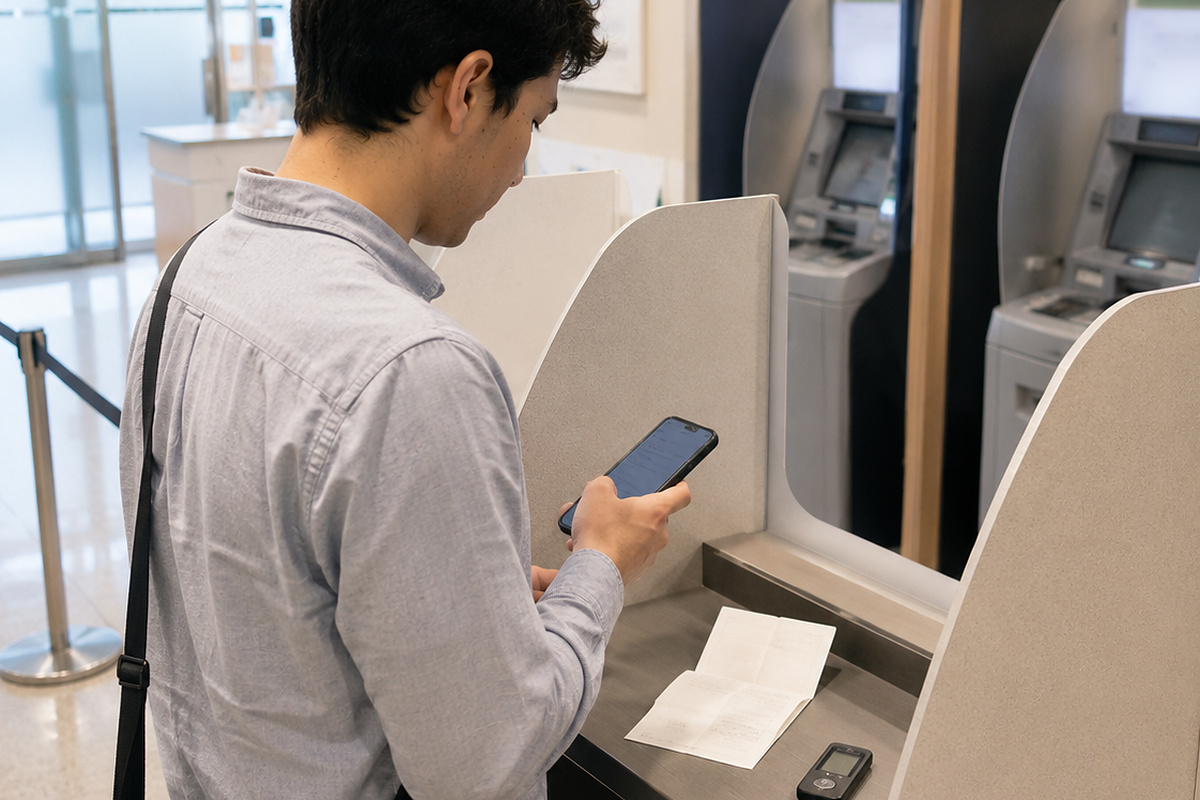
A bureau normally cannot tell you the provider's private rejection reason because the provider, not the bureau, made the decision. A practical response is to check the facts in a fixed order before applying elsewhere.
Start with the application itself. Confirm legal-name spelling, address, phone number, employment dates, declared income and requested limit. Then review the relevant credit reports for errors, delinquency, unexpected accounts, large balances or many recent applications.
Resolve any overdue obligation with the creditor and wait for corrections or updates to reach the relevant bureau. Do not assume that paying today changes every record immediately. If the product simply did not match your situation, consider a more appropriate product, lower requested limit or a non-credit alternative such as a debit card, prepaid card, bank transfer or paying for a handset upfront.
No strategy guarantees approval. The goal is to remove factual errors, keep obligations affordable and submit accurate information to a product whose eligibility rules fit your situation.
- Check the application for data-entry or identity mismatches
- Review relevant bureau reports
- Correct factual errors through the registering company
- Resolve overdue obligations and allow time for updates
- Avoid mass-applying immediately after rejection
- Use a debit, prepaid or upfront-payment option when credit is not essential
How to Build a Reliable Japanese Credit Record
There is no universal Japanese 'credit-building trick', ideal utilization percentage or guaranteed number of months that works for every provider. Consistent, accurate records and on-time repayment are more reliable than trying to reproduce an overseas scoring formula.
Pay every credit, loan and installment bill by the due date, and keep enough money in the payment account before automatic debit day. Update your name, address, phone number, employer and residence information promptly when they change.
Borrow only amounts that remain manageable after rent and essential living costs. Check statements for unauthorized or incorrect transactions and contact the provider before a payment problem becomes prolonged. Credit limits are borrowing capacity, not income or emergency savings.
- Pay on time and keep sufficient funds for automatic debits
- Keep identity and contact details consistent across providers
- Monitor statements and report unauthorized activity quickly
- Keep borrowing manageable
- Close products for practical reasons, not because of a guaranteed scoring myth
FAQ
Does Japan have a credit score?
Japan does not have one universal public score used by every lender. CIC provides a Credit Guidance index from 200 to 800 based on objective transaction facts, but each provider still applies its own screening and may use other information.
Is there an official credit blacklist in Japan?
No. 'Blacklisted' is an informal expression. Credit bureaus store individual application, contract, payment and transaction-event records for defined periods rather than one permanent pass-or-fail label.
Can CIC, JICC or KSC tell me why my application was rejected?
Normally no. The provider makes the final decision. A disclosure report can show information that may have been reviewed, but it does not reveal every internal reason for rejection.
Will checking my own credit report hurt my chances?
A personal disclosure request is not a new application for credit. It is a consumer access procedure and is different from a member inquiry generated by applying for a new card or loan.
Does one late payment automatically cause rejection?
There is no universal automatic rule. The impact depends on what was registered, how serious and recent it was, the rest of the file, the requested product and the provider's own standards.
Will paying an overdue account erase the record immediately?
No. Payment can update the balance or status, but historical information may remain until the applicable retention period expires.
Can a company remove accurate negative information for a fee?
A legitimate service cannot force a bureau to delete accurate information before the applicable retention period ends. Be cautious of anyone promising guaranteed approval or instant deletion.
Does closing every credit card improve my credit?
Not automatically. Closing an account changes your available contracts and reporting status, but providers assess the full situation. Keep only products you can manage and close them for practical reasons rather than a guaranteed scoring benefit.
Official References
- CIC — Credit Information Held and Retention Periods
- CIC — Credit Guidance
- CIC — Online Credit Information Disclosure
- JICC — Credit Information and Registration Periods
- JICC — Smartphone Credit Information Disclosure
- Japanese Bankers Association — KSC Overview and Retention Periods
- Japanese Bankers Association — KSC Personal Disclosure Procedure
- Japanese Bankers Association — Credit Information Exchange
- Financial Services Agency — Money Lending Business Act Q&A
- Ministry of Economy, Trade and Industry — Installment Sales Act Overview and FAQ
Final Thoughts
A Japanese credit check is an overall provider decision, not a verdict issued by one national score. Understand which institution holds the relevant records, distinguish application inquiries from contracts and payment events, and pay attention to each institution's retention periods. Foreign residents should keep legal-name spelling, address, phone, employment and residence information consistent across applications. After a rejection, verify the facts before applying elsewhere: check the relevant reports, correct genuine errors through the registering company, resolve unpaid obligations and choose credit that remains affordable. A clean file helps, but no bureau report, score or tactic can guarantee approval.