Emergency Numbers in Japan: 110, 119, 118 & Help Lines for Residents
A practical emergency-number guide for foreign residents in Japan, covering 110 police, 119 fire and ambulance, 118 Coast Guard, #7119, #8000, #9110, 171, language support, accessibility options, and household preparation.

For immediate danger in Japan, call 110 for police, 119 for fire or an ambulance, and 118 for an emergency at sea. Give your location first and stay on the line. Use consultation lines such as #7119, #8000 and #9110 only when the situation is not an immediate emergency, and check local availability because some services vary by area or time.
Emergency numbers at a glance
Japan uses different numbers for different emergencies. Save the main numbers before you need them, but do not rely on a screenshot alone: in a real emergency, the dispatcher still needs a usable location and a short description of what is happening.
If someone is in immediate danger, do not spend time comparing advice lines or insurance options. Call the appropriate emergency service first.
- 110 — Police: crime, violence, an intruder, or a traffic accident requiring an urgent police response.
- 119 — Fire and ambulance: fire, serious injury, severe illness, or another medical emergency.
- 118 — Japan Coast Guard: accidents, distress, or other emergencies at sea.
- #7119 — Emergency medical advice in participating areas when you are unsure whether an ambulance or urgent hospital visit is needed.
- #8000 — Child medical telephone advice; hours and direct-dial alternatives vary by prefecture.
- #9110 — Non-emergency police consultation; use 110 instead when an urgent police response is needed.
Call 110 when you need the police now
Use 110 when a crime or serious incident is happening now, has just happened, or creates an immediate threat. Examples include violence, an intruder, a serious traffic collision, or witnessing a crime in progress.
The dispatcher may ask what happened, where it happened, whether anyone is injured or still in danger, what the person or vehicle looks like, and how to contact you. Give the location early. If you do not know the full address, name the building, station, intersection, store, school, or another clear landmark.
For non-urgent police concerns, use a local police station, a koban, or #9110 rather than 110.
- Say whether it is a crime or traffic accident.
- Give the location as early as possible.
- Describe immediate danger or injuries.
- Stay on the line unless the dispatcher tells you to hang up.
Call 119 for fire or an ambulance
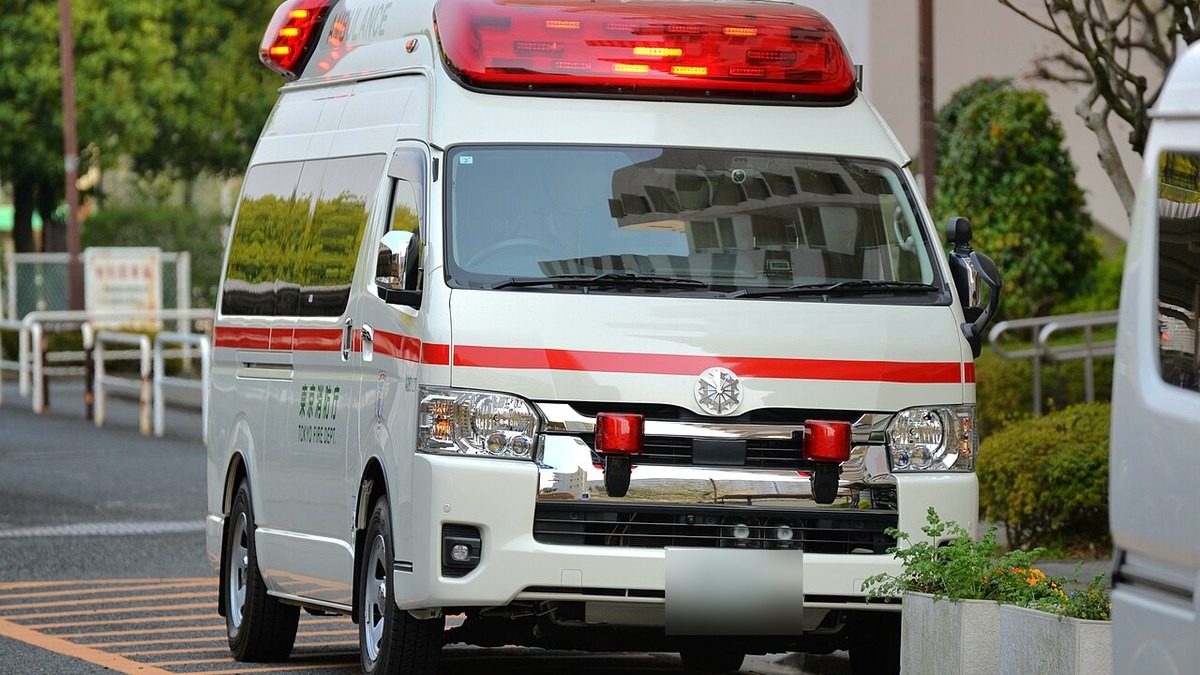
Use 119 for a fire or a medical emergency that may require an ambulance. The dispatcher will ask questions needed to send the correct response. If the situation is highly urgent, dispatch can begin before every question has been answered.
For an ambulance call, explain the main symptom or injury, the person's age if known, and where the patient is. For a fire, say what is burning and whether anyone may still be inside.
Do not delay a 119 call to find documents, search for a clinic, or check an insurance policy when the situation appears life-threatening.
- Give the address, building name, floor, and room number when possible.
- If you do not know the address, give a major building, intersection, station, or other landmark.
- Give your name and callback number.
- Follow first-aid or safety instructions from the dispatcher.
What to say if your Japanese is limited
Location is usually the most important information to prepare in advance. Save your home address in Japanese, including the building name and room number, and keep the same information for your workplace, school, or other place where you spend significant time.
Many police and fire services have interpretation arrangements for callers who do not speak Japanese, but the exact system depends on the authority handling the call. Speak slowly, use short phrases, and do not hang up while interpretation is being arranged.
A simple sequence is: state the emergency, give the location, say how many people are involved, then answer the dispatcher's questions.
- Police: "Keisatsu onegaishimasu" — Police, please.
- Ambulance: "Kyukyusha onegaishimasu" — Ambulance, please.
- Fire: "Kaji desu" — There is a fire.
- Location: "Basho wa … desu" — The location is …
- English request: "Eigo onegaishimasu" — English, please.
Call 118 for an emergency at sea
118 is the Japan Coast Guard emergency number for incidents at sea. Use it for a maritime accident, a person in distress, a vessel-related emergency, or suspicious activity at sea that requires Coast Guard attention.
Tell the operator when and where the incident happened and what happened. If you are using a mobile phone, keeping location services available may help the Coast Guard identify the approximate position, but you should still describe the location as clearly as possible.
- Marine accident or person in distress.
- Vessel accident or urgent rescue request.
- Oil spill or other serious marine incident.
- Suspicious vessel or maritime crime information.
Use #7119 when you are unsure about urgent medical care
#7119 is an emergency medical consultation service for situations where you are unsure whether to call an ambulance or seek immediate hospital care. Medical professionals or trained staff can advise on urgency and may direct you toward appropriate care.
It is not available in exactly the same way nationwide. The Fire and Disaster Management Agency currently lists participating regions, with local differences in coverage, age groups, hours, and alternative telephone numbers.
If the person appears to be in immediate danger, call 119 instead of waiting for a consultation line.
- Use it for uncertainty, not obvious life-threatening emergencies.
- Check whether your prefecture or municipality participates.
- Save the local direct-dial alternative if one is published.
- Confirm the operating hours for your area.
Use #8000 for child medical advice and #9110 for non-emergency police consultation
#8000 connects parents and caregivers with child medical telephone advice for sudden illness or injury when they are unsure what to do, particularly outside normal clinic hours. The service is implemented across all 47 prefectures, but operating hours and alternative numbers differ by prefecture.
#9110 is the police consultation number for non-emergency concerns. It is appropriate for problems or worries that require police advice but not an immediate emergency response. If a crime or dangerous incident is happening now, use 110.
- #8000 — child medical advice, not a substitute for 119 in a life-threatening emergency.
- #9110 — non-emergency police consultation, not a substitute for 110 when urgent response is required.
If a voice call is difficult
Japan has text-based emergency options for people who have difficulty making a voice call, but these systems have specific eligibility and setup requirements.
The national 110 Emergency Call App System allows people who have difficulty with voice communication to send text and images to police. The app has its own operating requirements and should be set up before an emergency.
NET119 is designed for people with hearing or speech disabilities to contact fire and ambulance services by smartphone or another internet-capable device. It generally requires advance registration with the local fire department. The Japan Coast Guard also operates NET118 for eligible users who have difficulty with voice communication.
- Do not wait until an emergency to learn the registration process.
- Check the police 110 app requirements on the official site.
- Ask your local fire department whether NET119 is available and how to register.
- For maritime emergencies, review the Coast Guard's NET118 registration information.
Use 171 for disaster messages, not rescue
Disaster Emergency Message Dial 171 is a voice-message service that NTT activates when a major disaster causes heavy communication congestion. It lets people record or play back safety messages associated with affected-area telephone numbers.
171 does not dispatch police, fire crews, ambulances, or rescue teams. If someone needs immediate help, use the relevant emergency number instead.
When the service is active, dial 171 and follow the voice prompts. NTT also provides practice periods so households can learn the process before a disaster.
- 171 is for safety messages and family communication.
- It is activated under disaster conditions rather than operating as a permanent rescue line.
- Include the area code when the instructions require a fixed-line number.
Build a resident emergency card
A small emergency card can save time when you are stressed, injured, or trying to communicate in a second language. Keep one in your wallet and a copy near the entrance of your home.
Avoid putting unnecessary sensitive information on a card that could be lost. Include only what is useful for emergency communication and keep medical details current.
- Full home address in Japanese and English.
- Building name, room number, floor, and access instructions.
- Your phone number and one emergency contact.
- Important allergies, medicines, or medical conditions when relevant.
- Nearest station, major landmark, and local hospital or clinic information.
- Your preferred language and a short request for interpretation.
Prepare your household before an emergency
Emergency preparation is not only about memorizing telephone numbers. Make sure every adult in the household knows the home address, where emergency information is stored, and who will call if several people are present.
For earthquakes or other large-scale disasters, agree on an evacuation meeting point and a communication plan that does not depend on everyone being able to make a normal phone call at the same time.
- Save 110, 119, 118, and the relevant local consultation numbers.
- Keep the Japanese address accessible even if your phone is locked or out of power.
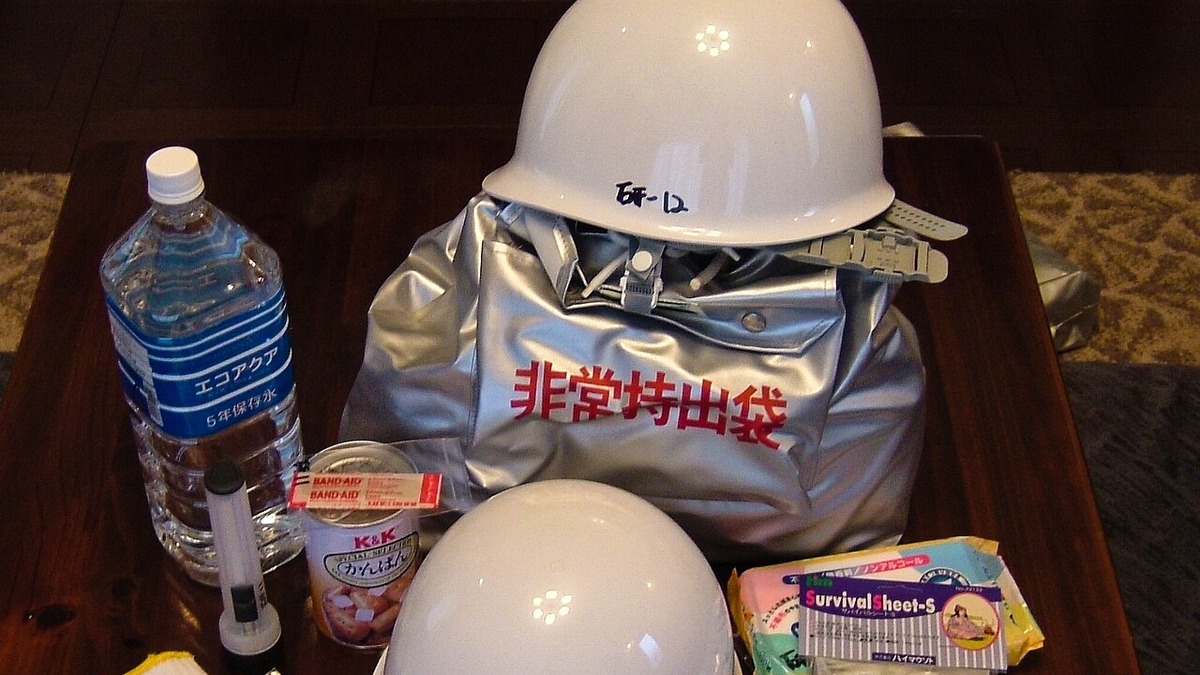
- Charge backup batteries and keep essential emergency supplies together.
- Learn the nearest evacuation site and an alternative meeting point.
- Practice using 171 during an official trial period if your household plans to rely on it.
Emergency care and insurance serve different purposes
An emergency call is about getting the right help quickly. Insurance determines whether eligible medical, travel, or other costs are covered afterward. Do not delay an urgent call because you are unsure about a policy.
Foreign residents may be covered by Japanese public health insurance depending on their status and circumstances. Private or travel-medical insurance is a separate product with its own eligibility, exclusions, limits, and geographic rules.
If you keep international travel or health cover for time spent abroad or between countries, review the policy before an emergency so you know what documentation, assistance contacts, and claim procedures it requires.
Common mistakes to avoid
The most important distinction is between an emergency that needs immediate dispatch and a situation that can safely wait for advice. Consultation services are useful, but they should never create a delay when danger is obvious.
Keep the system simple enough that you can use it under stress.
- Searching the internet while someone is in immediate danger instead of calling 110, 119, or 118.
- Assuming the dispatcher automatically knows the exact building, floor, or room.
- Using #7119, #8000, or #9110 without checking local coverage or purpose.
- Treating 171 as a rescue line.
- Waiting until an emergency to register for accessibility services.
- Hanging up because interpretation or location confirmation takes time.
FAQ
What are the three main emergency numbers in Japan?
Call 110 for an urgent police response, 119 for fire or an ambulance, and 118 for a Japan Coast Guard emergency at sea.
What number do I call for an ambulance in Japan?
Call 119. Give the location first, then describe the illness or injury and answer the dispatcher's questions.
Can I call 110 or 119 if I do not speak Japanese?
Yes. Police and many fire departments use interpretation arrangements for foreign-language calls. Say the location and basic emergency clearly, request English if needed, and stay on the line while the dispatcher arranges communication.
Is #7119 available everywhere in Japan?
No. #7119 coverage, age rules, hours, and alternative numbers vary by region. Check the Fire and Disaster Management Agency's current participating-area list for where you live.
What is #8000 used for?
#8000 is the child medical telephone consultation service. It helps parents or caregivers decide what to do about a child's sudden illness or injury when the situation is not clearly an immediate emergency. Hours vary by prefecture.
What is #9110 used for?
#9110 is for non-emergency police consultation. If a crime, violence, or another dangerous incident needs an urgent police response, call 110 instead.
What if I cannot make a voice emergency call?
Police operate the 110 Emergency Call App System for people who have difficulty with voice communication. Local fire departments may provide NET119, which generally requires advance registration, and the Coast Guard operates NET118 for eligible users.
Does 171 send rescue services?
No. 171 is NTT's Disaster Emergency Message Dial for recording and playing back safety messages when the service is activated during a disaster. Use 110, 119, or 118 when immediate emergency response is required.
Official References
- Fire and Disaster Management Agency — 119 Emergency Calls
- Fire and Disaster Management Agency — #7119 Emergency Medical Advice
- Ministry of Health, Labour and Welfare — #8000 Child Medical Telephone Consultation
- National Police Agency — 110 Emergency / #9110 Police Consultation
- Japan Coast Guard — Emergency Call 118 and NET118
- NTT East — Disaster Emergency Message Dial 171
Final Thoughts
You do not need to memorize every support service in Japan. Start with three numbers: 110 for police, 119 for fire or ambulance, and 118 for emergencies at sea. Then save the advice lines that apply where you live, keep your address in Japanese, and prepare any accessibility service before you need it. In a real emergency, call first, give the location clearly, stay on the line, and follow the dispatcher's instructions.