
How to Visit a Clinic in Japan: Insurance, Costs, Appointments & What to Bring
A practical 2026 guide for foreign residents visiting a clinic in Japan, including how to choose a department, what insurance document to bring, what happens at reception, costs, prescriptions, language support, and when to seek emergency help.
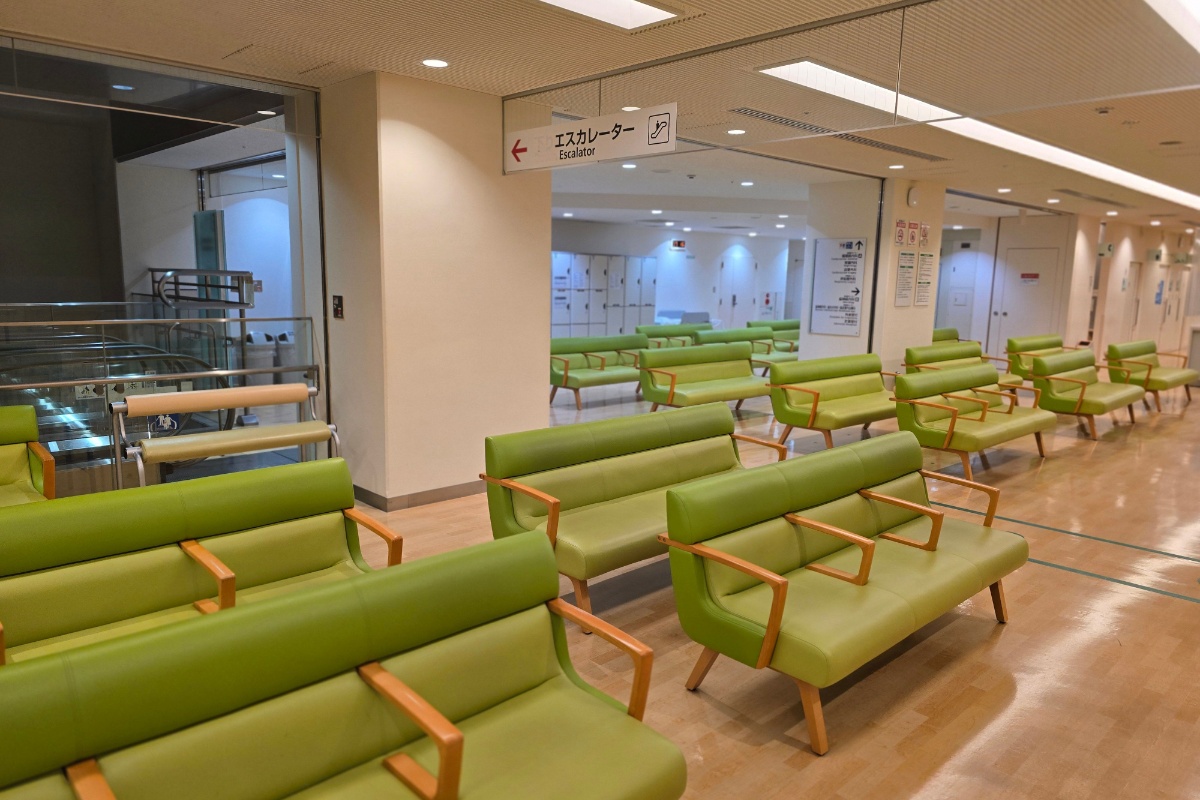
For a non-emergency illness or minor injury, start with a local clinic that matches your main symptom. Check its reception hours, whether it accepts first-time patients, and whether language support is available before you go. In 2026, bring your My Number Card registered for health insurance (Myna Hokensho) or a valid Eligibility Confirmation Certificate (Shikaku Kakuninsho), plus your medication and allergy information and a payment method. Conventional health insurance cards are no longer valid, and the temporary grace handling for expired cards ended on July 31, 2026. If the condition may be life-threatening, call 119 rather than waiting for ordinary clinic care.
Clinic, hospital, or ambulance: choose the right first stop
Japan has many community clinics (kurinikku or iin) that provide outpatient care. For a routine illness, a minor injury, or a symptom that does not appear life-threatening, a local clinic is usually the most practical first stop. Clinics tend to be smaller than hospitals and often focus on one or several medical departments.
A larger hospital may be appropriate when you need advanced testing, surgery, highly specialized care, or treatment requested by another doctor. Some designated larger hospitals charge an additional special fee, separate from the normal insurance copayment, when a patient attends without a referral unless an exception applies. Starting with a local clinic can therefore be simpler as well as more appropriate for ordinary care.
If the situation may be life-threatening or is rapidly becoming dangerous, do not spend time comparing clinic hours. Call 119 for an ambulance. Severe breathing difficulty, loss of consciousness, possible stroke symptoms, severe chest pain, uncontrolled bleeding, or a major injury are examples of situations that can require emergency assessment.
- Routine fever, cough, stomach symptoms, headache, fatigue, or a minor ongoing problem: usually start with a local clinic.
- A clearly specialized problem such as a skin, eye, ear, throat, joint, or bone problem: look for the relevant specialist clinic.
- Complex or advanced care: a hospital or specialist center may be appropriate, often after referral.
- Potentially life-threatening emergency: call 119.
Choose the medical department by your main symptom
Choosing the correct department matters because many Japanese clinics are specialized. If your symptoms are general or you are unsure where to start, internal medicine is often the first department to check for an adult. For a specific problem, search for the specialty that matches the main symptom.
If you have several symptoms or are unsure which department is suitable, call the clinic before traveling and describe the main problem. Staff may tell you whether the clinic can see you or suggest another department.
- Internal medicine — naika (内科): fever, cough, stomach problems, fatigue, blood pressure and many general adult conditions.
- Pediatrics — shonika (小児科): children.
- Dermatology — hifuka (皮膚科): rashes, eczema and other skin problems.
- Orthopedics — seikeigeka (整形外科): bones, joints, back pain and many musculoskeletal injuries.
- Ear, nose and throat — jibiinkoka (耳鼻咽喉科): ear, nose and throat problems.
- Ophthalmology — ganka (眼科): eye problems.
- Gynecology — fujinka (婦人科): gynecological care.
- Psychiatry / psychosomatic medicine — seishinka / shinryo-naika (精神科 / 心療内科): mental health or psychosomatic concerns.
Find a clinic and confirm that it can see you
The Ministry of Health, Labour and Welfare's Medical Information Net (Iryo Joho Net, also called NABII) is a nationwide government search service for hospitals, clinics, dental clinics and pharmacies. You can search by location, medical department, reception day or time, available services and foreign-language support.
Do not rely only on a map listing or the building's opening hours. A clinic may stop accepting patients before it closes, may use different reception times for first visits, or may require people with fever or infectious symptoms to call first. Language support shown online may also depend on the staff working that day.
Before leaving home, confirm the clinic's current instructions on its official website or by phone whenever possible.
- Does the clinic treat your main symptom and age group?
- Is an appointment required, recommended, or unnecessary?
- Are first-time patients being accepted today?
- What is the reception deadline, not just the closing time?
- Do fever, cough, rash, vomiting or other potentially infectious symptoms require a separate entrance or advance call?
- Will English or another language actually be available at the time you visit?
- What payment methods does the clinic accept?
What to bring to a clinic in 2026
Japan's health-insurance reception process changed substantially after the end of conventional health insurance cards. As of August 2026, medical institutions and pharmacies generally confirm eligibility using a My Number Card registered for health insurance (Myna Hokensho) or an Eligibility Confirmation Certificate (Shikaku Kakuninsho) for people who are not using a Myna Hokensho.
The old health insurance cards stopped being newly issued on December 2, 2024, their validity ended by December 1, 2025, and the temporary grace handling for people who mistakenly brought an expired conventional card ended on July 31, 2026. Do not plan a clinic visit around an old insurance card.
If the Myna Hokensho card reader or online eligibility system cannot be used, follow the clinic's fallback verification instructions. A technical failure does not by itself mean that every patient must automatically pay the entire bill without any eligibility check.
- Myna Hokensho or a valid Eligibility Confirmation Certificate.
- Your clinic patient card (shinsatsuken) if you have visited that clinic before.
- A referral letter, test results, or medical records if another provider gave them to you.
- A medication notebook (okusuri techo) or a clear list/photo of every medicine and supplement you use, including dose and frequency.
- A list of drug allergies and important medical conditions.
- Identification if the clinic asks for it; carrying your residence card or other appropriate ID can be practical.
- A payment method accepted by the clinic; some facilities still have limited cashless options.
- A short written symptom timeline and a translation tool or interpreter plan if communication may be difficult.
What happens at reception
At your first visit, tell reception that you are a new patient. You will usually complete a medical questionnaire (monshinhyo) covering symptoms, medical history, allergies and medicines. The clinic will also confirm your insurance eligibility and may ask for identification or other documents depending on the situation.
Patients with fever or symptoms that could be infectious may be asked to wait in a different place or follow special instructions. Clinics also do not always see patients strictly in arrival order; urgent cases, scheduled appointments, test timing and department workflow can affect the sequence.
Keep your explanation simple and factual. State your main symptom, when it started, whether it is getting worse, and any major medical conditions or medicine allergies.
- 初診です。 Shoshin desu. — This is my first visit.
- 予約はありません。 Yoyaku wa arimasen. — I do not have an appointment.
- 英語で対応できますか。 Eigo de taio dekimasu ka? — Can you assist in English?

During the consultation and tests
The doctor will usually ask about your symptoms and history, perform an examination, and decide whether tests, treatment, medication or follow-up are needed. Give a clear timeline: when the problem began, what makes it better or worse, whether you have a fever, and whether similar symptoms happened before.
Show the doctor or nurse your medicine list and allergies rather than relying on memory, especially if you use several prescriptions. If you do not understand a test, medicine, follow-up instruction or warning sign, ask staff to repeat it more slowly or write down the key point.
Some services are not covered by public health insurance. If a test, certificate, vaccination, screening, treatment or optional service may be self-paid, ask what it is for and whether an additional charge will apply before agreeing when the situation allows.
- When did the symptom begin?
- Is it improving, stable, or getting worse?
- What medicines, supplements, or recent treatments are you using?
- Do you have any drug allergies?
- What should make you return to the clinic or seek urgent care?

How health insurance and clinic costs work
For care covered by Japan's public health insurance, the patient normally pays only the applicable copayment at the medical institution. For many insured people through age 69, the standard share is 30%, while different shares apply to younger children and many people age 70 or older, and income can also affect the percentage. The actual amount depends on the services provided and your insurance status.
Public insurance does not cover every service. Optional checkups, some certificates, certain vaccinations, cosmetic treatment, and other non-covered services can be charged separately. Ask the clinic if you are unsure whether a service is insured.
At some designated larger hospitals, visiting without a referral can trigger an additional special fee on top of the normal insurance copayment. If your problem is suitable for community care, a local clinic is often the better first step.
Keep receipts, itemized statements and prescription documents. They are useful for checking charges, insurance procedures, reimbursement claims, or later medical visits.
Prescriptions and the pharmacy step
Many clinics issue an outside prescription (shohosen) that you take to a dispensing pharmacy rather than handing you the medicine at the clinic. A standard prescription issued by an insured hospital or clinic is valid for four days including the date of issue, and weekends and public holidays count. A doctor or dentist can specify a different validity period in special circumstances.
At the pharmacy, present the required insurance eligibility document and your medication notebook if you have one. Tell the pharmacist about allergies, pregnancy where relevant, and medicines or supplements that may interact with the new prescription.
Do not leave an ordinary prescription unused for several days assuming that business days are counted. If you may have difficulty reaching a pharmacy before the deadline, ask about the timing before you leave the clinic.
- Check the prescription date before leaving.
- Use a dispensing pharmacy (chozai yakkyoku) before the prescription expires.
- Ask how and when to take each medicine.
- Confirm what to do if you miss a dose or develop a suspected side effect.
Language support and practical Japanese
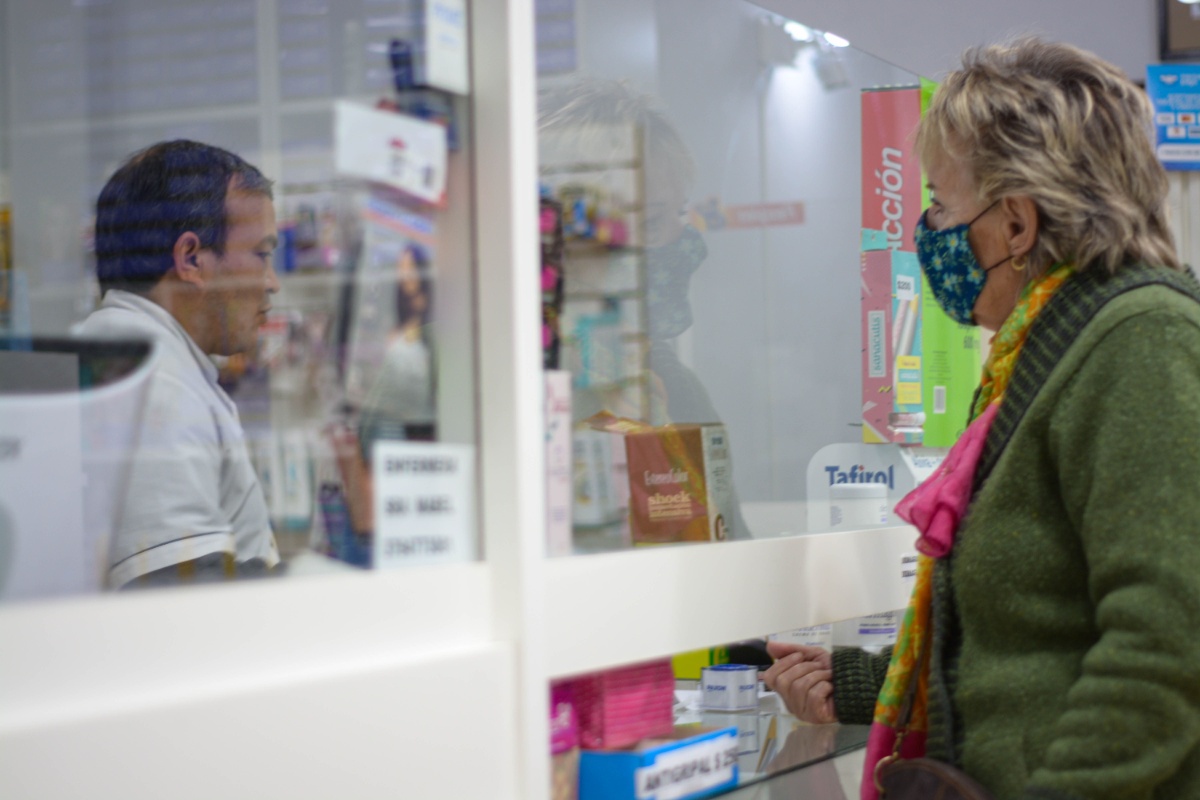
A clinic that lists English or another language online may not have that language available every hour. Confirm the actual support at the time of your visit when communication is important. Medical Information Net can help you search by foreign-language support, but the clinic's current information should still be checked.
If you use a translation app, prepare short sentences before you arrive and avoid showing staff a long unstructured paragraph. Dates, medicine names, doses, allergies, pregnancy status where relevant, and the exact location of pain are especially important to communicate accurately.
For consent, medication, tests, or serious medical decisions, ask for clarification rather than pretending to understand.
- 薬のアレルギーがあります。 Kusuri no arerugi ga arimasu. — I have a drug allergy.
- この薬を飲んでいます。 Kono kusuri o nonde imasu. — I take this medicine.
- いつからですか? Itsu kara desu ka? — Since when? (A common question you may hear.)
- もう一度、ゆっくりお願いします。 Mo ichido, yukkuri onegaishimasu. — Please say it again slowly.
When the clinic is closed or the situation is urgent
For non-life-threatening problems outside normal hours, use Medical Information Net or your local government's after-hours medical information to look for an open facility. Availability changes by area and time, so confirm before traveling.
The #7119 emergency consultation service can provide professional advice in participating areas when you are unsure whether an ambulance or immediate hospital visit is needed. Coverage, operating hours and language support are not identical everywhere, so check whether your area provides the service.
For a potentially life-threatening emergency, call 119. Do not wait for a routine clinic appointment or rely on an online article to decide whether a clearly severe condition is safe.
- Severe difficulty breathing or rapidly worsening breathing.
- Loss of consciousness or inability to respond normally.
- Possible stroke symptoms such as sudden facial drooping, arm weakness, or difficulty speaking.
- Severe chest pain, uncontrolled bleeding, a major injury, or another rapidly deteriorating condition.
Common mistakes that cause delays
Most first clinic visits become much easier when the practical details are checked before leaving home. A few minutes spent confirming the correct department, reception deadline and required documents can prevent a wasted trip.
Keep a small medical note on your phone with your full name, date of birth, emergency contact, allergies, important diagnoses and current medicines. Update it whenever your treatment changes.
- Choosing a clinic only because it is nearby without checking the medical department.
- Arriving before closing time but after the reception deadline.
- Assuming an English website guarantees English-speaking staff at every visit.
- Bringing an old conventional health insurance card instead of a current Myna Hokensho or Eligibility Confirmation Certificate.
- Forgetting medicine names, doses, or allergy information.
- Assuming every clinic accepts the same cashless payment methods.
- Going directly to a large hospital without checking referral rules or possible additional fees.
- Letting a prescription expire because weekends and holidays were not counted.
- Delaying emergency care while trying to find a normal clinic.
FAQ
Can I visit a clinic in Japan without an appointment?
Often yes, but it depends on the clinic and department. Some clinics accept walk-ins, some use appointments, and some require first-time or fever patients to call before coming. Check the clinic's official reception instructions and the reception deadline before traveling.
What health insurance document should I bring in 2026?
Bring your My Number Card registered for health insurance (Myna Hokensho) or a valid Eligibility Confirmation Certificate if you are not using a Myna Hokensho. Conventional health insurance cards are no longer valid; the temporary grace handling for expired cards ended on July 31, 2026.
What if the clinic's My Number Card reader does not work?
Tell reception and follow the facility's fallback eligibility-verification process. The Ministry of Health, Labour and Welfare provides alternative confirmation procedures for cases such as card-reader or online system problems, so a technical failure should be handled by the clinic rather than assumed to mean automatic full self-payment in every case.
Do I need to bring my residence card to a clinic?
Your health-insurance eligibility document is the key item for insured care, but carrying appropriate identification such as your residence card can be practical because a clinic may need to confirm personal details. Requirements can vary by facility and situation.
What if I do not speak Japanese?
Search Medical Information Net for facilities that report foreign-language support, then confirm current availability with the clinic. Prepare a short symptom timeline, medication list and allergy information, and use an interpreter or translation tool where appropriate. Do not guess when a medical instruction is unclear.
Should I go directly to a large hospital?
Not necessarily. For ordinary outpatient problems, a local clinic is often the appropriate first step. Certain larger hospitals charge an additional special fee when a patient attends without a referral unless an exception applies, so check the hospital's referral policy before going.
How long is a Japanese prescription valid?
A standard prescription issued by an insured hospital or clinic is valid for four days including the issue date, and weekends and public holidays count. A different period can apply if a doctor or dentist writes a specific validity period for special circumstances.
Official References
- Ministry of Health, Labour and Welfare — Myna Health Insurance Card
- Ministry of Health, Labour and Welfare — Medical Information Net (NABII)
- Ministry of Health, Labour and Welfare — Patient Copayment Rates
- Ministry of Health, Labour and Welfare — Prescription Validity Period
- Ministry of Health, Labour and Welfare — Special Fees at Certain Hospitals Without Referral
- Fire and Disaster Management Agency — Ambulance Service Guide
- Fire and Disaster Management Agency — #7119 Emergency Consultation Service
Final Thoughts
For an ordinary illness or minor injury, the safest practical routine is simple: choose the department that matches your main symptom, confirm the clinic's reception rules, bring current insurance eligibility proof and accurate medication information, and ask when anything is unclear. Use a local clinic as the first stop for routine outpatient care, use the pharmacy promptly if you receive a prescription, and call 119 when the situation may be life-threatening.