
How to Rent a Pet-Friendly Apartment in Japan: Search Terms, Rules, Fees & Lease Checks
A practical guide to finding and renting a pet-friendly apartment in Japan, including search terms, screening, pet clauses, extra costs, house rules and deposit protection.
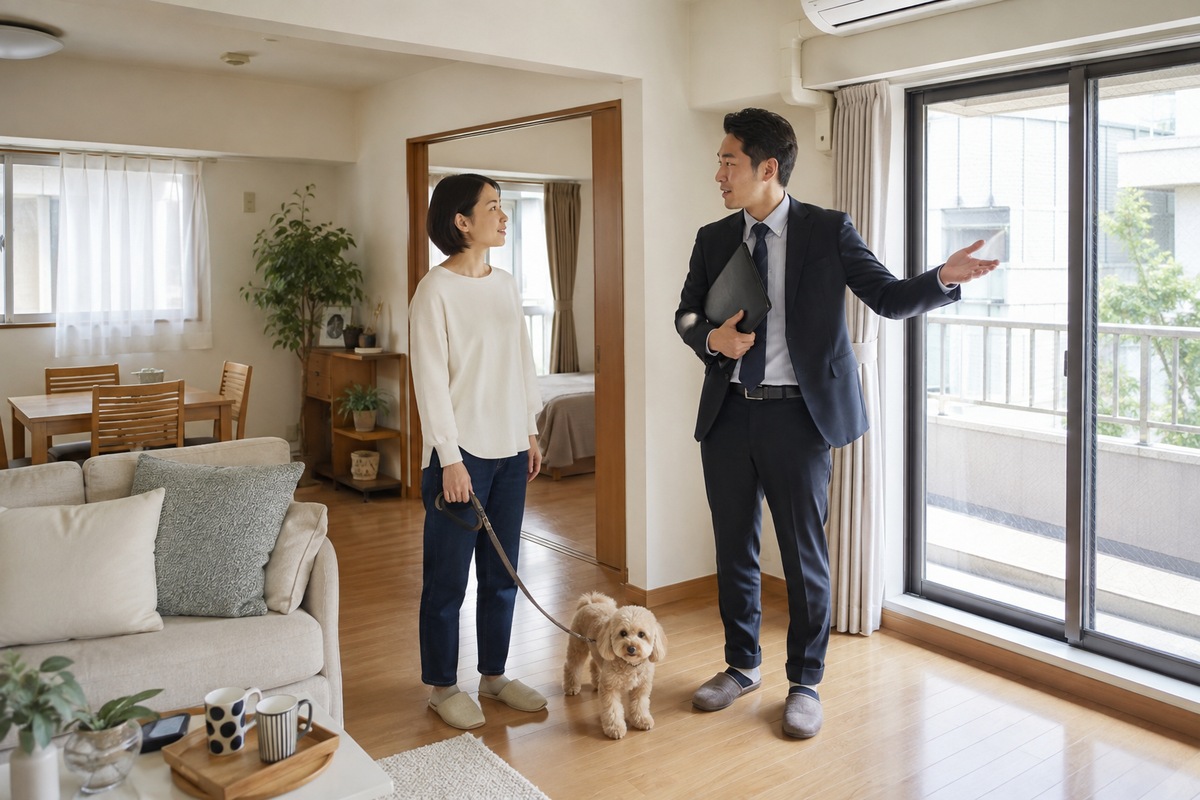
Pet-friendly in Japan does not simply mean “pets allowed.” Every property sets its own conditions about species, size, number of pets, common-area rules, noise control, cleaning, damage responsibility and extra fees. The safest approach is to search specifically for pet-allowed housing, prepare a short pet profile, ask detailed questions before applying, and read every pet clause in the lease before paying any money or moving in.
Understand what “pet-friendly” really means in Japan
In practice, pet-friendly, pet-allowed and pet-negotiable are not the same thing. Some properties openly accept pets under preset rules. Others may consider a pet only after the owner reviews the animal’s type, size, age and behavior. Many ordinary rentals still do not permit pets at all.
The important point is that permission is property-specific. Even in a building that allows pets, the room owner, management company or lease terms may limit what is actually permitted. Do not assume that one small dog, one indoor cat or a quiet senior pet will automatically be accepted just because a listing looks flexible.
- Species, breed and size can all matter
- The number of pets can be limited
- Indoor-only conditions may apply
- Common-area rules are often strict
- Extra deposit or cleaning clauses can appear
Prepare your pet profile before you start searching
Agents and management companies often screen the pet almost as carefully as the tenant. Preparing a short pet profile makes communication faster and more credible. It also helps avoid wasting time on properties that will clearly reject your situation.
Keep the profile factual and practical. The goal is to show that both you and the animal are manageable, predictable and respectful of the building environment.
- Pet type, breed and approximate size
- Age, sex and neutered or spayed status if relevant
- Indoor lifestyle and exercise routine
- Vaccination and health history available on request
- Temperament, barking or scratching tendency, and toilet training status
- Clear photo of the pet
Use the right search terms and treat every listing carefully
When using Japanese rental sites, common listing language includes phrases such as pet consultation, pets negotiable or pet allowed. However, the label alone is not enough. Many listings shorten or simplify conditions, and the real details only appear in the remarks, floor plan notes or separate house rules.
That means you should use the pet-related filter to narrow the market, then verify the conditions directly with the agent or management company before arranging a viewing or paying an application fee.
- Search with pet-related filters first
- Read remark sections and small print
- Check whether cats are treated differently from dogs
- Confirm if large breeds or multiple pets are excluded
- Ask whether approval is automatic or case-by-case
Ask detailed questions before viewing or applying
A short phone call or email can save multiple failed viewings. Ask what kind of animal is permitted, whether there is a size limit, whether one or two pets are acceptable, and whether additional fees or written pet rules exist.
You should also ask whether the approval decision is made by the landlord, the management company or a condominium association. This helps you understand whether the agent is giving a final answer or only an informal expectation.
- Are dogs, cats or other small animals permitted?
- Is there a weight or size limit?
- How many pets can one household keep?
- Is an extra deposit, key money or cleaning fee required?
- Are there written pet rules or a separate rider?
- Can the pet use elevators, common hallways and balconies under specific rules?
View the apartment from your pet’s perspective, not only your own
During the viewing, check the apartment as a living space for both human and animal. Flooring, noise transmission, ventilation, balcony safety, sunlight, storage and the path from entrance to living space all affect day-to-day life with a pet.
Also check the building environment. A room may allow pets but still be stressful if the route outside is awkward, the elevator is tiny, nearby roads are dangerous for walks, or the management atmosphere feels openly hostile to animals.
- Flooring that is not too slippery
- Windows and balcony safety
- Ventilation and odor control potential
- Nearby walking routes and parks
- Building noise level and wall thickness
- Space for crates, beds, litter boxes or feeding areas
Prepare supporting documents for the application and screening
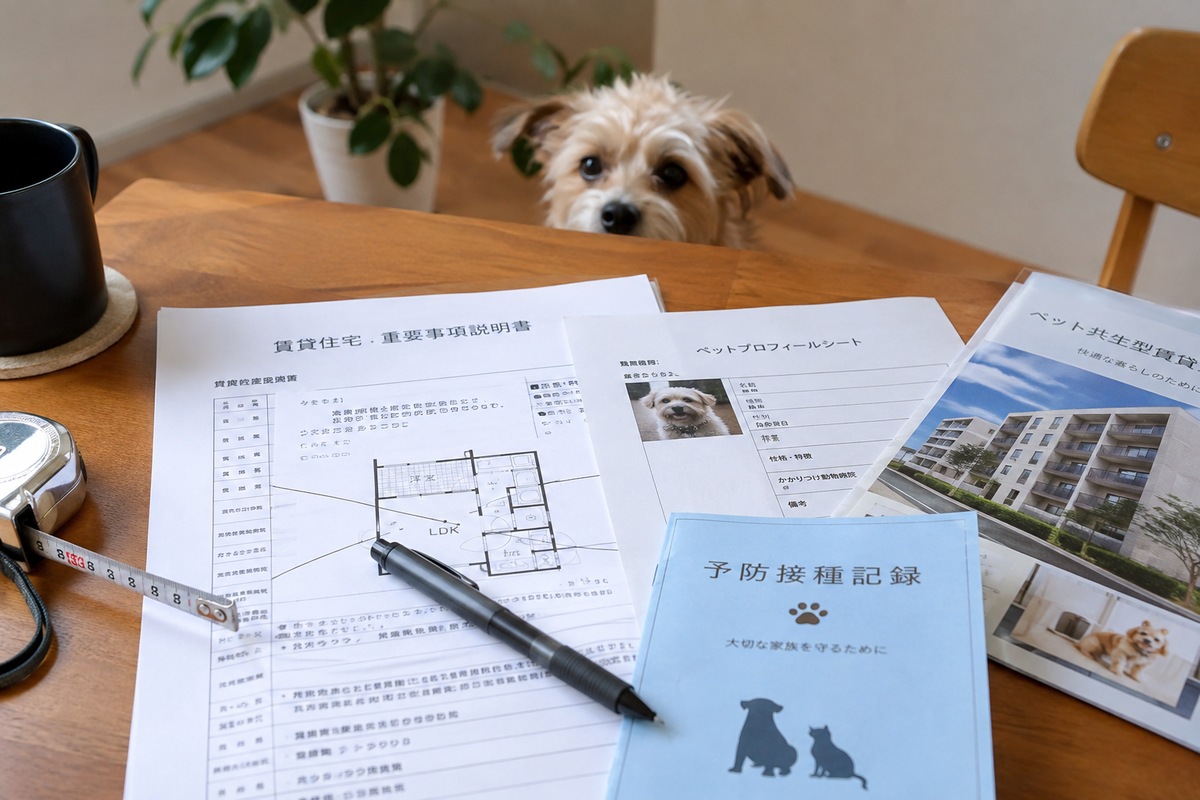
A normal rental application already asks for identity, income, employment and guarantor-related information. When pets are involved, you may also be asked for pet photographs, a pet profile, vaccination records or a short written explanation of how the animal is managed indoors.
Not every property asks for the same materials, and none of these pet items automatically guarantee approval. Still, having them ready helps you look organized and reduces delays during screening.
- Pet photo and simple profile sheet
- Vaccination or health records when requested
- Tenant identification and income documents
- Emergency contact and guarantor company paperwork if applicable
- A short explanation of daily care and noise control when useful
Expect stricter screening and extra costs
Pet-friendly rentals can involve higher initial costs or stricter screening than comparable non-pet units. Common differences include an extra deposit, a special cleaning charge, higher restoration expectations or a narrower set of applicants the owner will accept.
These charges are not uniform nationwide. The key issue is not whether a fee sounds normal in the market, but whether the contract clearly describes what the fee is, whether it is refundable, and how any later deductions will be calculated.
- Additional deposit for pet-related risk
- Non-refundable cleaning charge in some contracts
- Special restoration clauses for odors, scratches or stains
- Possible limits on promotional discounts or negotiations
- More detailed owner review before approval
Read the lease and any pet clause line by line before you sign
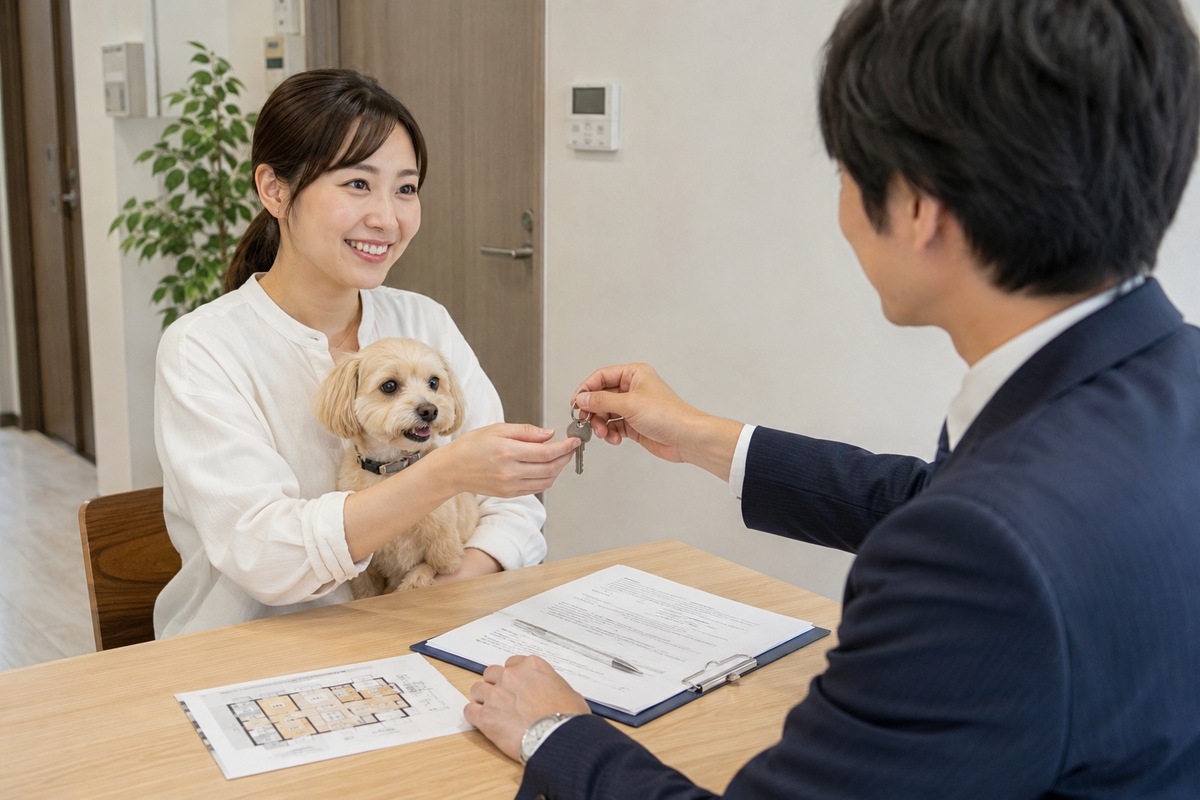
Do not rely only on what was said during a viewing. The lease and any attached pet rider control the practical rules after move-in. Check whether the permitted pet is described clearly and whether the contract limits species, size, number of animals or replacement of a pet during the tenancy.
Also confirm whether the contract contains special clauses about cleaning, odor treatment, flooring protection, damage restoration, noise complaints, common-area use or lease termination after repeated rule violations. A pet-friendly property can still impose strict compliance obligations.
- Permitted pet details are written clearly
- Any extra deposit or fee is explained
- Cleaning and restoration responsibility is allocated clearly
- Complaint procedures or violation consequences are stated
- No vague oral promise is left undocumented
Follow house rules from the first day after move-in
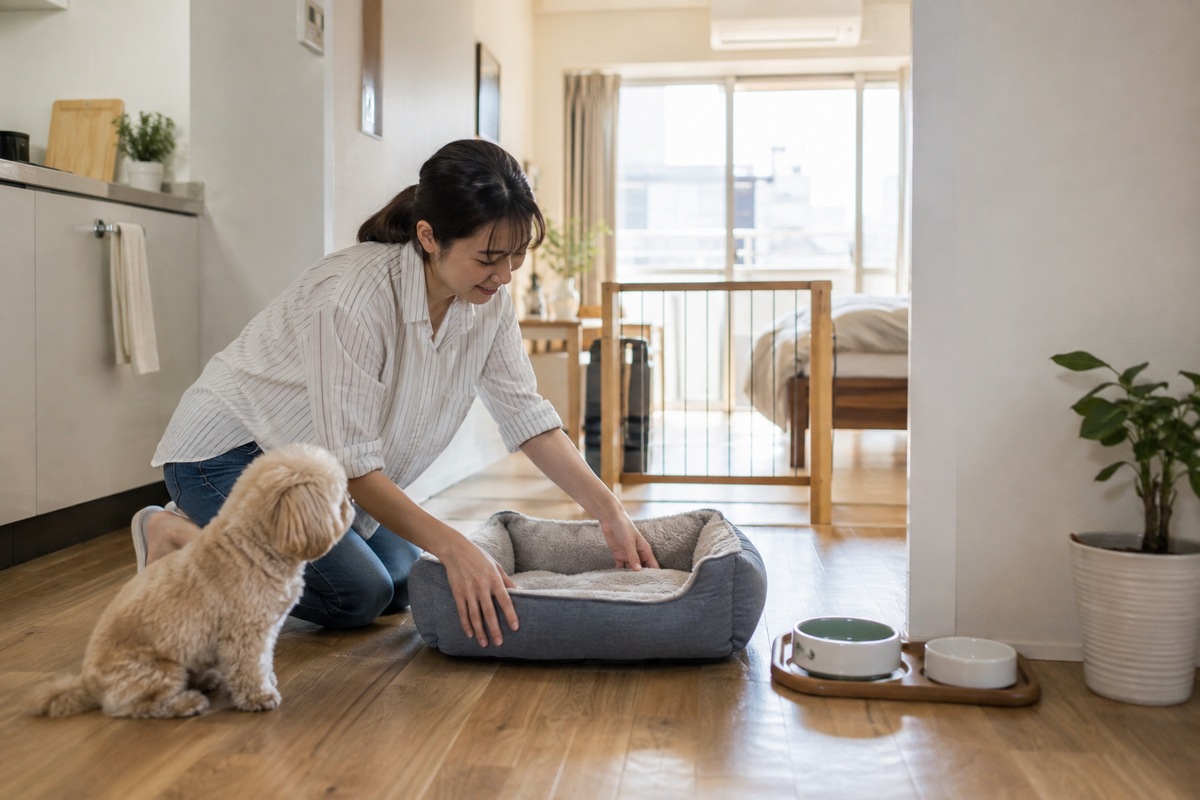
Most pet-related disputes happen after move-in, not at the application stage. Even if the pet was approved, you still need to follow building rules about leash use, common spaces, waste disposal, elevator etiquette, balcony use, odor control and noise management.
The best protection is ordinary prevention. Use mats or nail care to reduce scratches, handle odors early, keep records of any pre-existing damage, and respond quickly if management raises a concern. Good daily management protects both your tenancy and your future deposit settlement.
- Keep the pet under control in common areas
- Prevent barking, scratching and odor from escalating
- Use floor protection where practical
- Photograph move-in condition before the pet settles in
- Respond to management notices promptly and politely
Know how deposit and damage issues can be argued later
Japanese rental law distinguishes ordinary wear and aging from damage for which the tenant is responsible. In a pet-friendly tenancy, however, the parties may still argue over odor, scratches, stains or chewing damage. The contract, actual cause, evidence and the age of the damaged material all matter.
That is why move-in photos, written repair approvals and clear pet clauses are so important. If a dispute arises at move-out, review the contract carefully and compare any charge with the landlord’s explanation, photographs and calculation basis before simply accepting it.
- Keep move-in and move-out photo records
- Save any pet rider or house-rule attachment
- Request itemized explanations for disputed charges
- Separate ordinary wear from avoidable pet damage
- Use consumer or housing consultation when direct discussion fails
If a property says no, use alternatives instead of hiding the pet
Trying to keep an unapproved pet in a no-pet property can trigger complaints, contract trouble and serious trust problems with the landlord. If a property refuses your situation, look for a different route rather than hiding the animal.
Practical alternatives include broadening the search area, accepting an older building, adjusting budget expectations, using properties that say pet consultation rather than pet impossible, or asking whether a different unit in the same portfolio has more flexible conditions.
- Broaden area or building age conditions
- Accept a more limited shortlist and longer search time
- Re-check whether pet consultation properties can work
- Ask for similar units with clearer pet permission
- Never rely on an unwritten exception
FAQ
Does pet-friendly always mean pets are automatically accepted?
No. Many properties still review the animal case by case. Approval can depend on species, size, number of pets, behavior and the landlord or management company’s decision.
Can I keep a pet in a property that normally says no if the agent says it might be okay?
Not safely unless the owner or management side gives clear approval and the contract reflects it. Oral optimism from an agent is not enough protection.
Are extra pet deposits or cleaning fees common?
Yes, they can be common, but they are not automatic or standardized. The important question is how the contract defines the charge, whether it is refundable and how later deductions are calculated.
What documents help when applying with a pet?
A pet photo, simple pet profile, and vaccination or health records when requested are useful. They do not guarantee approval, but they help show that the pet is manageable and that you are organized.
Do small indoor pets count too?
Usually yes. Even a small or quiet pet can still be subject to permission rules. Always confirm the specific contract terms instead of assuming a small animal is exempt.
What should I check before signing the lease?
Check the permitted pet details, any extra deposit or fee, cleaning and restoration rules, complaint procedures, and whether every important promise about the pet appears in writing.
Official References
- Ministry of Land, Infrastructure, Transport and Tourism: Standard Residential Lease Agreement
- Ministry of Land, Infrastructure, Transport and Tourism: Guidelines on Restoration Disputes
- Tokyo Metropolitan Government: Guidelines for Preventing Tenant-Landlord Disputes
- National Consumer Affairs Center of Japan: Rental Restoration Disputes
- Japanese Law Translation: Civil Code Articles 621 and 622-2
- Ministry of the Environment: Standards for the Keeping and Safekeeping of Household Animals
Final Thoughts
The best pet-friendly rental in Japan is usually the one where the rules are clear, the building environment actually suits the animal, and every important condition is written down before you pay. Search carefully, ask precise questions, show that your pet is well managed, and read the lease closely so that approval, daily life and future deposit issues stay predictable.