
How to Buy Furniture and Appliances in Japan: New, Used, Delivery & Recycling Guide
A practical 2026 guide to buying furniture and appliances in Japan: what to measure, new vs used, electrical compatibility, delivery, returns, energy labels, recalls, earthquake safety and disposal.
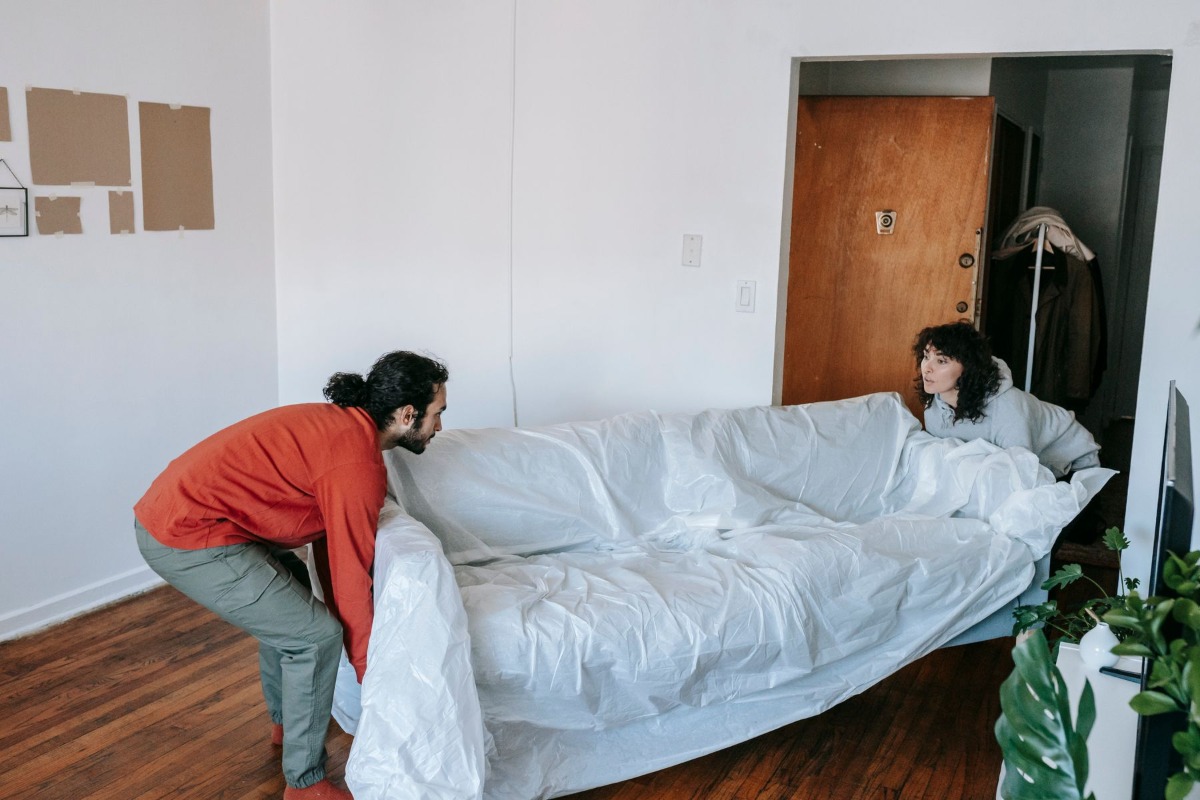
Before buying furniture or appliances in Japan, measure the apartment first: room dimensions, doorways, hallways, elevator, stair turns, washing-machine pan, refrigerator space and the exact delivery route. For appliances, confirm the nameplate rating, plug, voltage and frequency. Japan is basically 100V, with 50Hz in eastern areas and 60Hz in western areas, so an appliance brought from overseas may not be suitable even if the plug can be adapted. New items are usually easier for delivery, installation and warranty; used items can save money but need closer checks for age, condition, recall history and installation compatibility. For online purchases, read the return policy before ordering because mail-order sales do not use the ordinary cooling-off system. Also think about disposal before buying: air conditioners, televisions, refrigerators/freezers, and washing machines/clothes dryers are covered by Japan's Home Appliance Recycling Act and follow a separate recycling route.
Start with the apartment, not the store
The biggest furniture and appliance mistakes in Japan usually happen before the purchase: the item does not fit the room, cannot pass through the entrance, conflicts with a washing-machine pan or refrigerator recess, or requires an installation condition the apartment does not have.
Measure the usable space and the route from the building entrance to the final location. Include the front door, corridor width, elevator opening and interior dimensions, stairs, corners and room doors. For large furniture, compare the packaged dimensions as well as the assembled dimensions.
Check the lease before drilling walls, adding anchors or making permanent modifications. In a rental, an earthquake-safety solution still needs to respect the building and lease conditions.
- Room width, depth and ceiling height
- Front door and interior door openings
- Hallway, stair and elevator clearance
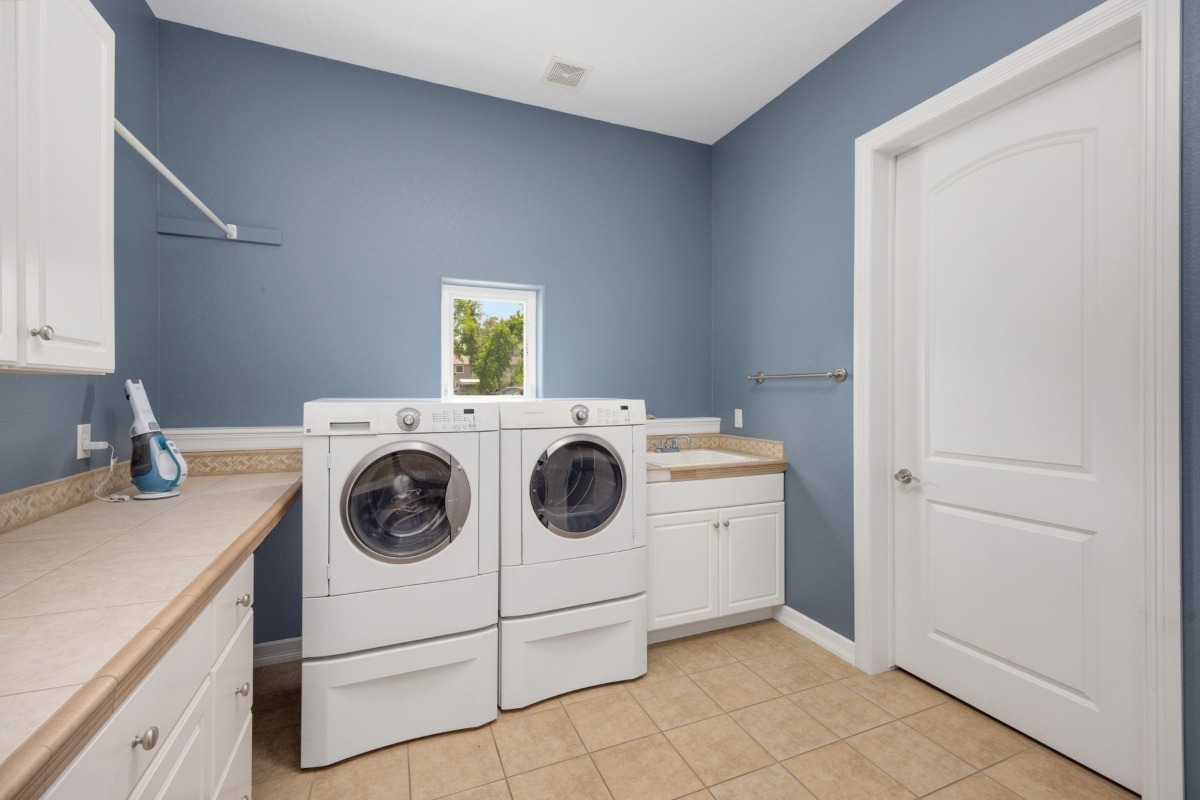
- Washing-machine pan and faucet position
- Refrigerator recess and door-opening direction
- Outlet, water, gas and ventilation locations
Choose a buying strategy based on how long you expect to stay
If you expect to remain in Japan for several years, buying new core appliances can make sense because you receive clearer warranty coverage, delivery options and predictable condition. For furniture, durability and how easily the item can be moved later may matter more than the lowest sticker price.
For a short or uncertain stay, used furniture, used appliances, rental furniture, furnished housing or a smaller starter setup can reduce upfront cost and disposal work later. Do not over-furnish the apartment during the first week.
A practical sequence is to buy sleep, food storage, laundry and basic lighting first, then live in the space long enough to understand what storage, seating and work furniture you actually need.
- Long stay: prioritize reliability, energy use and warranty
- Short stay: prioritize low total ownership and easy exit
- Uncertain stay: buy only the essentials first
- Consider disposal and resale before buying large items
Measure furniture for both daily use and delivery
A sofa that technically fits the living room can still fail at the front door or stair landing. Record three sets of dimensions: the final placement area, the delivery route and the item's packaged or transport dimensions.
Leave practical clearance around doors, drawers, closets and walking routes. For beds and desks, check whether the furniture will block a balcony exit, closet opening, air-conditioner airflow or access to outlets.
For tall shelves and cabinets, measure the ceiling and think about earthquake restraint before purchase. A narrow tall cabinet may fit the floor plan but create a much larger safety problem than a lower piece.
- Final installed dimensions
- Packaged or transport dimensions
- Door swing and drawer clearance
- Space for people to move around
- Earthquake-fixing method for tall furniture
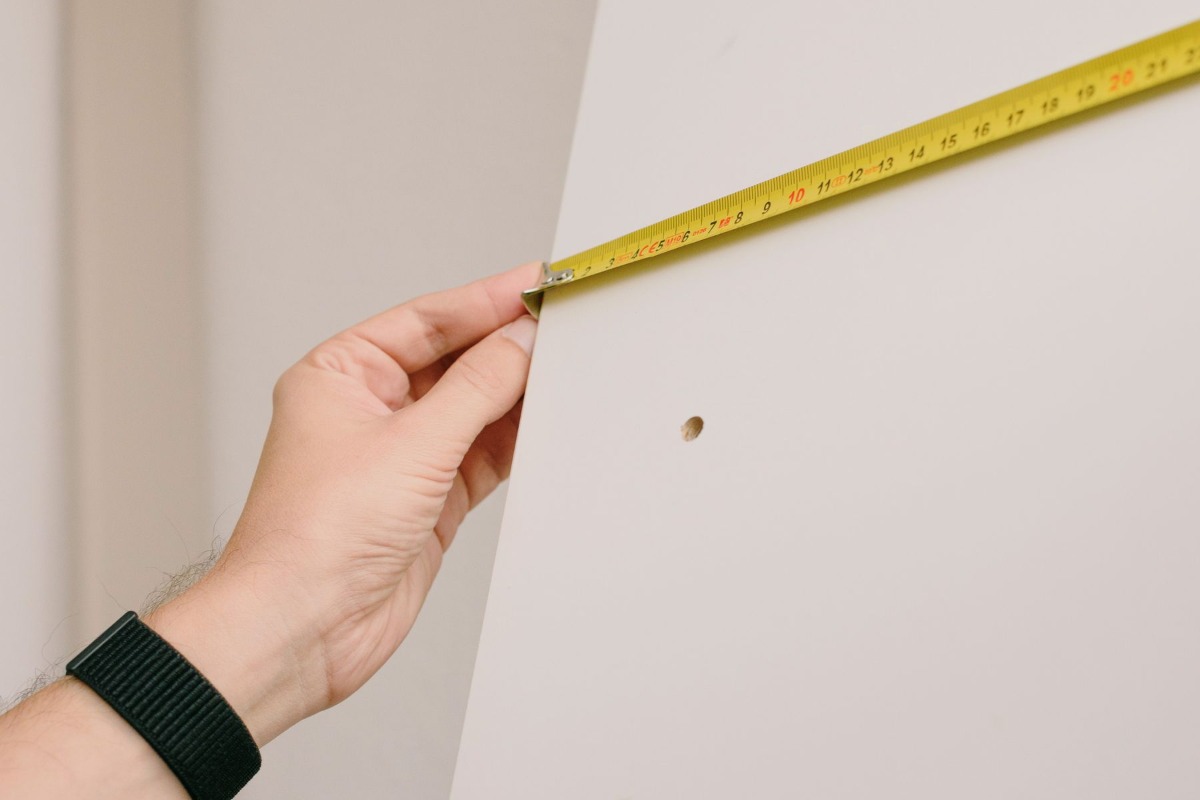
Check appliance compatibility before paying
Japan's household electricity is basically 100V. The commercial frequency is 50Hz in eastern Japan and 60Hz in western Japan. Some appliances are compatible with both frequencies, while others have restrictions, so check the actual rating plate and manufacturer instructions.
Do not assume a plug adapter makes an overseas appliance safe to use. Voltage, frequency, power consumption, grounding and product design all matter. High-power appliances may also require a dedicated outlet or 200V circuit in some installations.
For washing machines, dishwashers, gas appliances and air conditioners, installation compatibility is as important as electrical compatibility. Check the faucet, drain, gas type, venting, dedicated circuit, outdoor-unit space and landlord rules where relevant.
- Rated voltage
- 50Hz / 60Hz compatibility
- Plug and grounding requirements
- Power consumption and dedicated-circuit needs
- Water, drain, gas and ventilation conditions
Use PSE and energy labels as buying tools
Japan's Electrical Appliances and Materials Safety Act regulates covered electrical products. METI explains that regulated electrical appliances sold in Japan must meet the applicable requirements and display the required PSE marking. This is especially important when evaluating unfamiliar imported or online-marketplace products.
For major energy-consuming appliances, compare more than the purchase price. The unified energy-saving label system can show an efficiency rating and an estimated annual energy cost for covered products, making it easier to compare long-term running cost.
A cheaper refrigerator or air conditioner can be more expensive over several years if its energy use is materially higher. Use the label as one input together with size, features, expected life and your likely length of stay.
- Check required safety labeling on regulated electrical products
- Compare annual energy cost where the unified label is available
- Do not judge long-term cost from the sticker price alone
- Be cautious with unfamiliar imported electrical products
New and used appliances have different risk profiles
Buying new is usually simplest when installation, warranty and reliability matter. Large retailers may coordinate delivery, installation and old-appliance collection, but the exact service and fees differ by seller and address.
Used appliances can be good value, especially for shorter stays, but inspect the manufacturing year, condition, smell, noise, seals, hoses, cords, plugs and included accessories. Ask what warranty or initial-failure policy the seller actually provides.
For used refrigerators and washing machines, transport and installation can erase part of the apparent price advantage. Add delivery, stair fees, installation parts and disposal of your old unit before comparing the true total.
- Manufacturing year and model number
- Visible damage and signs of water leakage
- Cord, plug, hose and seal condition
- Included parts and manuals
- Warranty or initial-failure period
- Delivery and installation charges
Check recall information before buying unfamiliar or used products
A used appliance can appear to work normally and still be subject to a recall or safety action. The Consumer Affairs Agency maintains a national recall information site that can be searched by product category and keyword.
Record the manufacturer and exact model number before purchase, especially for older electrical appliances, heaters, batteries and other products where safety history matters.
If a recall applies, follow the manufacturer or authority instructions rather than assuming a low purchase price justifies continued use.
- Search by manufacturer and model
- Check older used appliances before purchase
- Keep the model number after moving in
- Follow recall instructions promptly
Treat delivery and installation as part of the purchase price
Large furniture and appliances may involve separate delivery, upstairs carrying, assembly, installation, hose or pipe parts, old-item removal and time-slot charges. Ask for the complete delivered-and-installed total before comparing sellers.
Confirm whether the carrier will bring the item inside the room, assemble furniture, connect the washing machine or refrigerator, remove packaging and take away an old appliance. Do not assume these services are included.
On delivery day, inspect the item before the team leaves when possible. Photograph obvious damage, check the model number and keep the delivery slip, invoice and warranty information.
- Delivery fee
- Stair or difficult-access surcharge
- Assembly fee
- Installation parts and labor
- Old-item collection
- Packaging removal
Read online return conditions before placing the order
Mail-order sales in Japan do not have the same unconditional cooling-off system used for certain door-to-door or telephone-solicitation transactions. The seller's return terms therefore matter greatly for furniture and other bulky products.
The Consumer Affairs Agency explains that when a mail-order seller clearly displays a return special provision, that provision generally controls ordinary returns. If no return provision is displayed, the law provides a limited route to withdraw or cancel within eight days after receiving the product, with return costs borne by the consumer.
Before ordering, check whether opened, assembled or custom-sized furniture can be returned, who pays return shipping, whether pickup fees apply and what happens if the item simply does not fit.
- Return eligibility
- Return deadline
- Return shipping or pickup cost
- Rules for opened or assembled goods
- Custom-order exclusions
- Procedure for damaged or incorrect items
Plan for earthquake safety before placing large furniture
Japan's Fire and Disaster Management Agency warns that furniture and appliances can fall, slide or move during strong shaking. Safety is not only about preventing damage to the item; a fallen cabinet can injure someone or block an exit.
Avoid placing tall furniture where it can fall across a bed or doorway. Heavy items should be stored lower where possible. Refrigerators, televisions and other appliances also need appropriate restraint according to the manufacturer's guidance and the building conditions.
In a rental, choose methods compatible with the lease and wall construction. Not every wall can safely accept the same anchor, so do not drill or fasten blindly.
- Keep evacuation routes clear
- Avoid tall furniture beside beds
- Store heavy objects low
- Use appropriate restraint hardware
- Check wall structure and rental rules before fixing
Understand disposal rules before buying large appliances
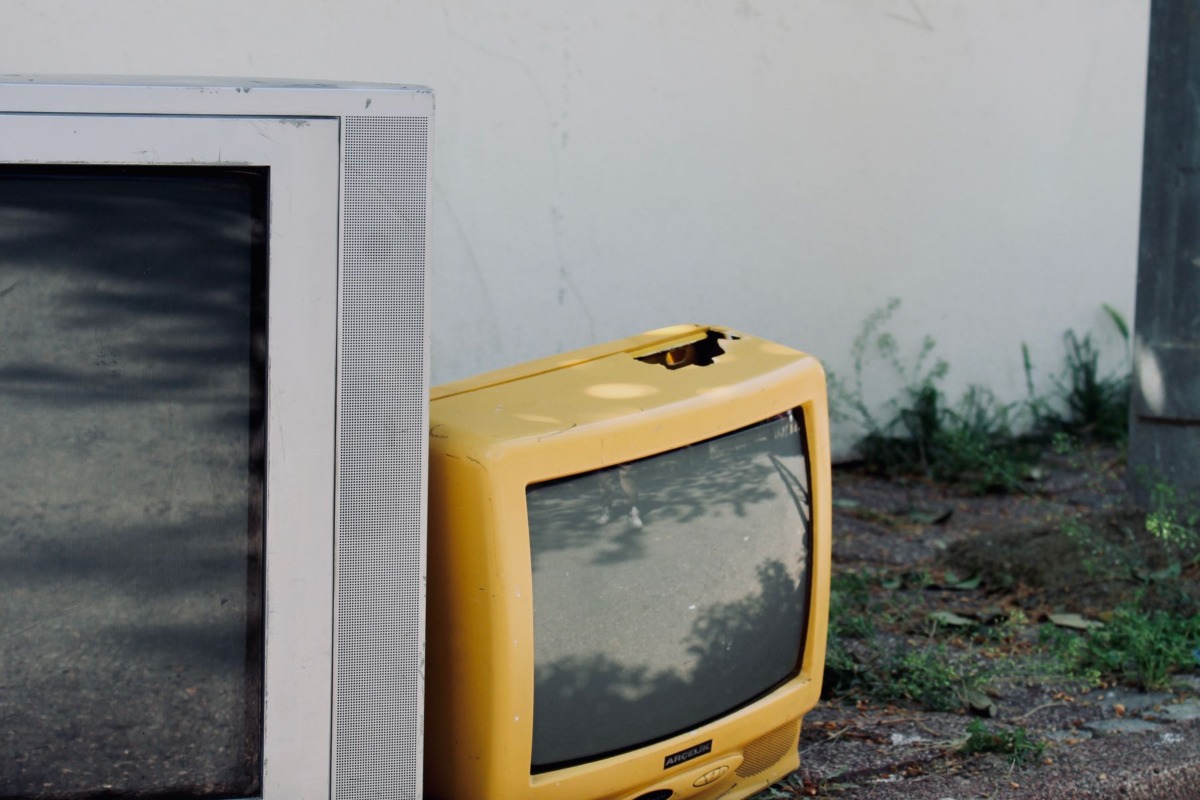
Japan's Home Appliance Recycling Act covers household air conditioners, televisions, refrigerators/freezers, and washing machines/clothes dryers. These do not simply follow the same disposal route as ordinary bulky waste.
When replacing one of these items, the retailer selling the new appliance may handle collection of the old one. If you are disposing without replacement, the original retailer or the disposal method specified by your municipality may be relevant depending on the situation.
Recycling charges vary by product category and manufacturer, and transport or collection charges can be separate. The Home Appliance Recycling Ticket Center publishes current fee information; its July 2026 materials should be checked when you need the actual amount.
- Air conditioners
- Televisions, including covered flat-panel types
- Refrigerators and freezers
- Washing machines and clothes dryers
- Check current recycling and collection charges before disposal
Use a total-cost checklist before the final purchase
The lowest product price is not always the cheapest choice. Add delivery, assembly, installation, required parts, warranty, energy use, financing cost if any and eventual disposal.
For used goods, also add the cost of transporting the item yourself or hiring a mover. For a short stay, estimate whether resale is realistic; for very bulky items, resale can become a moving problem rather than an asset.
A simple rule works well: buy only after you can answer three questions—will it fit, will it work safely here, and what will it cost to remove later?
- Purchase price
- Delivery and installation
- Required accessories or parts
- Expected electricity use
- Warranty or repair exposure
- Future recycling or disposal cost
FAQ
Should I buy furniture before moving into my apartment in Japan?
Usually buy only essentials before move-in unless you have verified the exact room and delivery-route measurements. Living in the space for a few days often prevents unnecessary or oversized purchases.
Can I use appliances brought from overseas in Japan?
Only if the appliance is designed for Japan's electrical conditions and is otherwise safe and compatible. Japan is basically 100V and uses both 50Hz and 60Hz depending on region. A plug adapter alone does not solve voltage or frequency incompatibility.
Is it safe to buy used appliances in Japan?
It can be, but check the manufacturing year, model, condition, warranty, hoses, cords, seals and recall history. Also include delivery and installation costs when comparing with a new appliance.
Can I return furniture bought online because it does not fit?
It depends heavily on the seller's displayed return terms. Mail-order sales do not have the ordinary cooling-off system. Check return eligibility, timing, pickup cost and rules for opened or assembled items before ordering.
What appliances are covered by Japan's Home Appliance Recycling Act?
The main household categories are air conditioners, televisions, refrigerators/freezers, and washing machines/clothes dryers. They follow a dedicated recycling route rather than ordinary bulky-waste disposal.
How should I earthquake-proof furniture in a rental apartment?
Keep tall furniture away from beds and exits, store heavy objects low and use appropriate restraint methods. Check the wall structure, manufacturer instructions and your lease before drilling or installing permanent anchors.
Official References
- METI: Electrical Appliances and Materials Safety Act (PSE)
- Agency for Natural Resources and Energy: Unified Energy-Saving Label
- Consumer Affairs Agency: Mail-Order Sales Rules
- Consumer Affairs Agency: Recall Information Site
- METI: Home Appliance Recycling Act
- Home Appliance Recycling Ticket Center: Current Recycling Fee Information
- Fire and Disaster Management Agency: Preventing Furniture from Falling in Earthquakes
- Kansai Electric Power: Voltage and Frequency in Japan
Final Thoughts
Buying furniture and appliances in Japan becomes much easier when you treat the apartment itself as the first specification sheet. Measure the space and delivery route, verify electrical and installation compatibility, compare total ownership cost rather than only the shelf price, and understand the return and recycling route before you pay. That approach prevents the expensive mistakes that matter most: an item that cannot enter the room, an appliance that cannot be installed safely, or a large purchase that becomes difficult and costly to remove later.