How to Separate Garbage in Japan: Local Rules, Plastics, Batteries, Bulky Waste & Recycling
Separate household garbage in Japan correctly: local collection rules, burnable and non-burnable waste, plastics, bottles, cans, batteries, spray cans, bulky waste and appliance recycling.
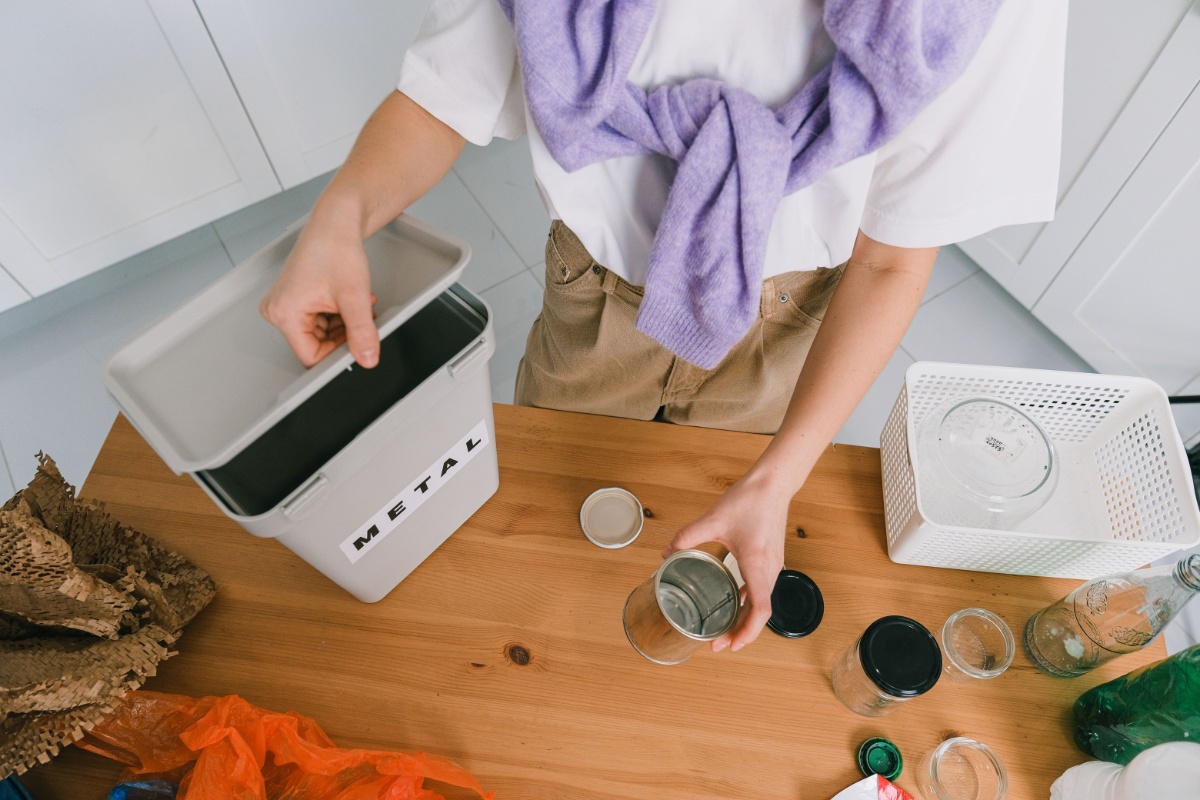
Japan does not use one household-garbage schedule or one detailed sorting list for every municipality. Your city, ward, town or village decides the collection categories, collection day, bag or container rules, collection point and special-disposal procedures for your address. Use the latest official local guide first, then check your apartment building's rules. Do not place lithium-ion batteries inside ordinary mixed garbage: the Ministry of the Environment warns that they can cause fires during collection and processing and instructs households to follow their municipality's disposal route. Large appliances covered by the Home Appliance Recycling Act also use a separate recycling route rather than ordinary bulky-waste collection.
Start with your municipality, not a nationwide checklist
The most important garbage rule in Japan is local. Categories that look similar can be treated differently by neighboring municipalities, and the same item may be burnable, non-burnable or recyclable depending on the local system.
Find the current official waste guide for the municipality responsible for your address. Many municipalities also publish multilingual pamphlets, searchable item lists, collection calendars or apps.
Use blog posts and neighbors only as secondary help. If their advice conflicts with the municipality's current instructions, follow the official local rule.
- Municipality name
- Neighborhood or collection district
- Current collection calendar
- Official item-by-item sorting guide
- Required bags, containers or bundles
- Collection-point and time rules
Your apartment building can add another layer of rules
Apartment buildings may have a dedicated garbage room, locked collection area, private pickup system or management-company instructions in addition to municipal sorting rules.
A building may allow residents to place correctly sorted waste in a garbage room earlier than the public collection time, while another building may prohibit it. Do not assume that 'the night before' is acceptable everywhere.
Ask the landlord or management company where to put each category and whether the building has special rules for cardboard, oversized items, move-out garbage or business-related waste.
- Exact collection point
- Hours when the garbage room can be used
- Building-specific labels or containers
- Rules for cardboard and recyclables
- Bulky-waste placement after booking
Learn the common categories, but treat them as examples
Most residents will encounter categories such as burnable waste, non-burnable waste, bottles, cans, PET bottles, paper, cardboard and plastics. The names and boundaries are not identical nationwide.
Plastic is especially important to re-check. Under Japan's Plastic Resource Circulation framework, municipalities can expand separate collection beyond traditional plastic containers and packaging to other plastic products, so an older guide may no longer match the current local system.
- Burnable garbage
- Non-burnable garbage
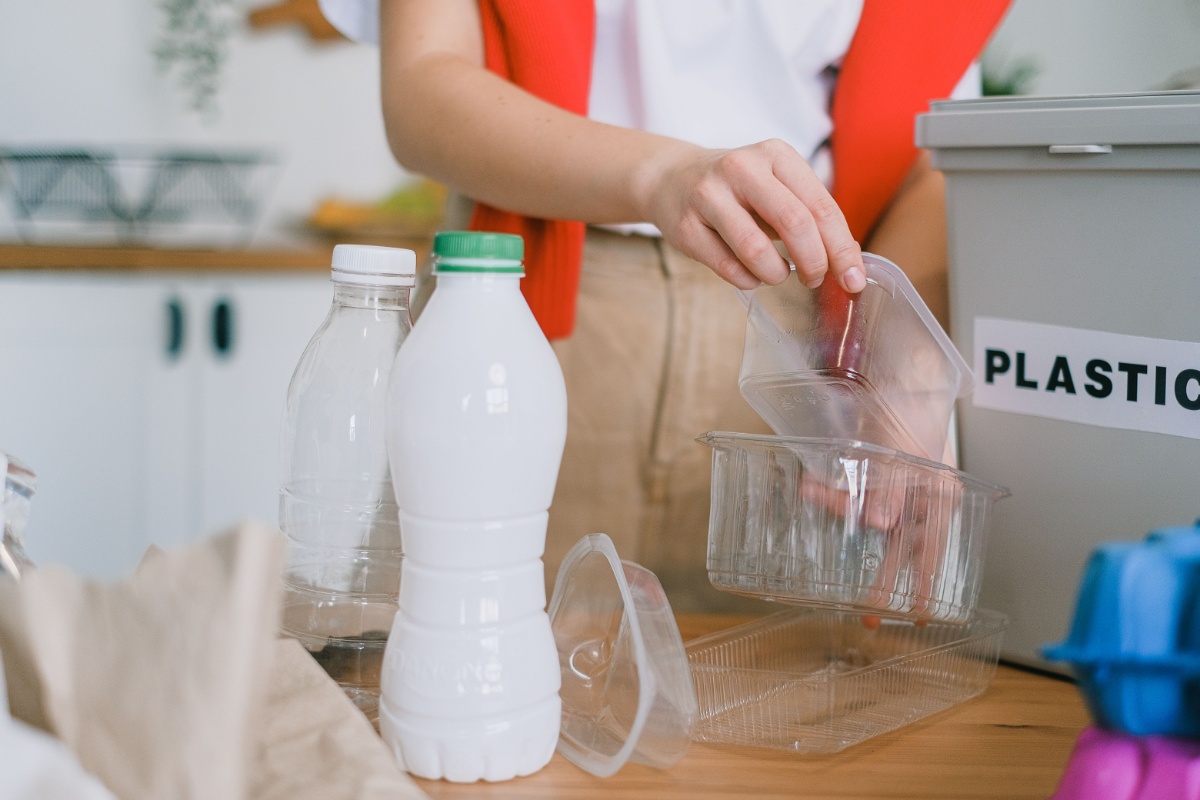
- Plastic resources
- PET bottles
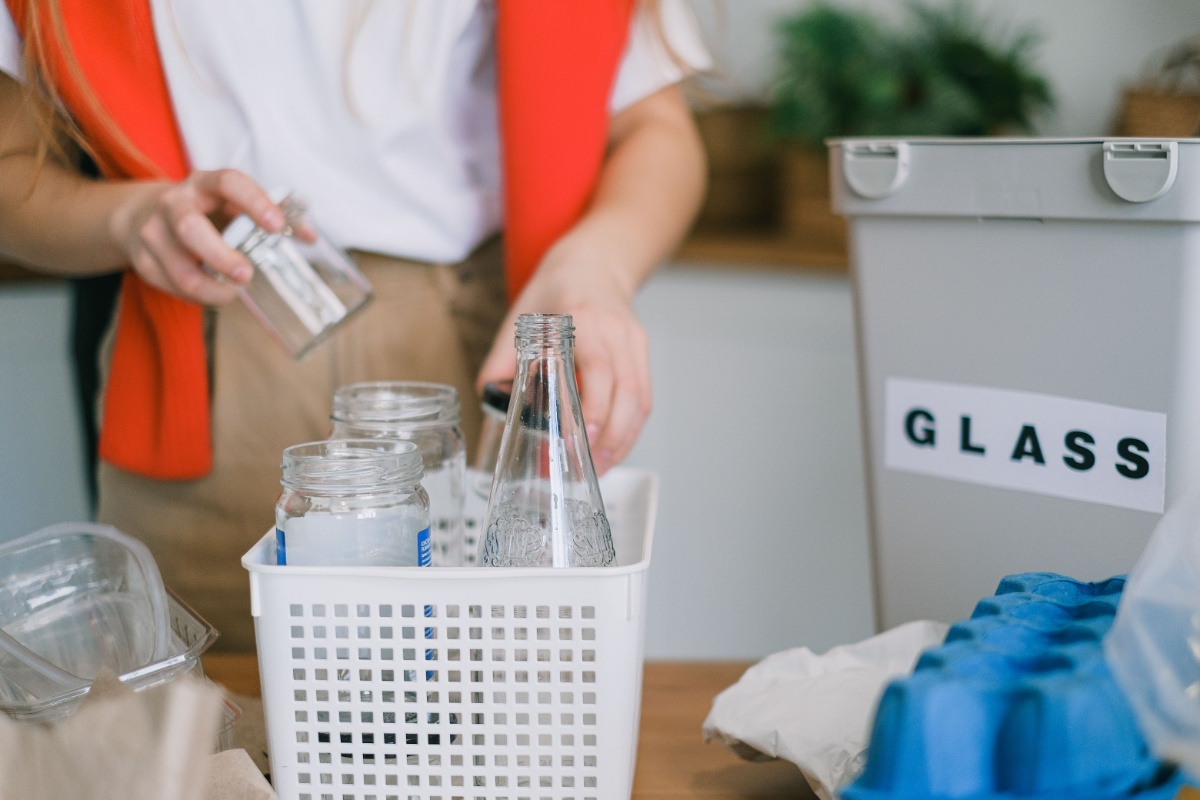
- Glass bottles
- Metal cans
- Paper and cardboard
- Bulky or oversized waste
Prepare containers before recycling them
For bottles, cans, PET bottles and plastic resources, local guides commonly ask residents to remove leftover food or liquid and separate parts such as caps or labels when specified.
Do not spend excessive time trying to make packaging perfect. The goal is to follow the municipality's preparation standard. Heavily contaminated items may be assigned to a different garbage category.
If you cannot identify the material, use the municipality's item-search tool or contact the waste department instead of guessing.
- Empty the contents
- Rinse when the local guide requires it
- Remove caps or labels when instructed
- Flatten or crush only when instructed
- Use the correct collection container
Paper and cardboard often need clean, dry preparation
Newspapers, magazines, cardboard and beverage cartons are often collected as recyclable paper, but local categories differ. Wet, oily, coated or contaminated paper may not belong with recyclable paper.
Cardboard normally needs to be flattened and bundled or placed according to local instructions. Do not put confidential papers or cardboard contaminated with food into a recycling pile without checking the rule for your municipality.
When moving, large amounts of cardboard can exceed what your building expects at one time, so coordinate with management if you have many boxes.
- Flatten boxes
- Remove non-paper packing material when required
- Keep recyclable paper dry
- Separate contaminated paper if the local guide says so
- Avoid blocking the collection point with large quantities
Keep sharp, pressurized and fire-risk items out of ordinary mixed bags
Knives, broken glass, spray cans, cassette gas cylinders and lighters can injure collection workers or cause fires if hidden inside another bag.
There is no safe nationwide shortcut for preparing these items. For example, Edogawa City currently instructs residents to use up spray-can contents and says that puncturing is not necessary. Other municipalities may use different collection categories or presentation methods.
Follow the current local guide for wrapping sharp objects, separating hazardous items and presenting spray cans or lighters.
- Do not hide sharp objects inside ordinary garbage
- Use up spray-can contents when the local rule requires it
- Do not puncture a can based on old advice alone
- Separate dangerous items exactly as the municipality instructs
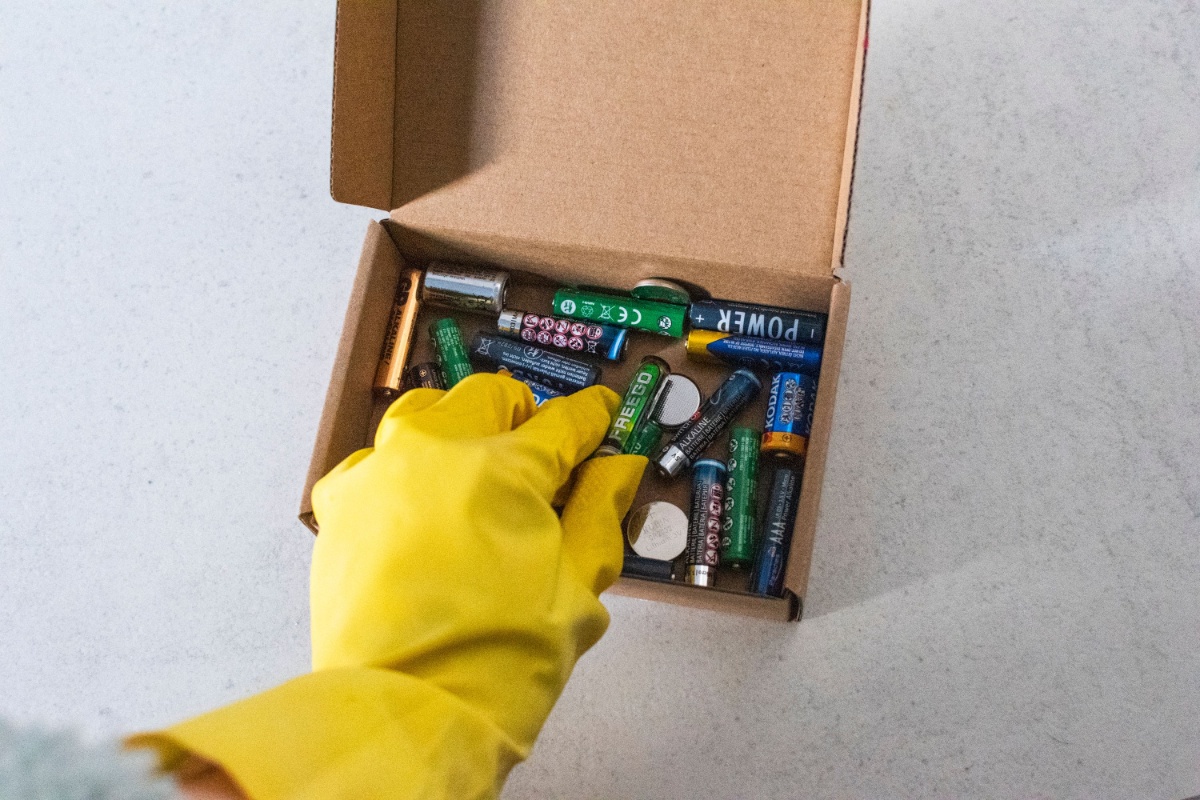
Lithium-ion batteries need special attention
Rechargeable batteries are a major fire risk in waste collection and processing. The Ministry of the Environment warns that lithium-ion batteries can ignite after impact or heat and says households should dispose of them according to their municipality's rules.
Do not place a power bank, rechargeable battery, cordless-device battery or battery-containing product into burnable waste merely because the item is small.
If a battery is swollen, damaged, leaking, stuck inside a product or otherwise unusual, do not force it out. Check the municipality's current route or contact the appropriate waste office.
- Power banks
- Rechargeable batteries
- Wireless-earphone cases
- Electronic cigarettes and heated-device batteries
- Small electronics with built-in batteries
Bulky waste usually requires advance action
Furniture and other large household items often use a separate bulky-waste system. The size threshold, fees, booking method and collection process are set locally, so there is no universal nationwide centimeter rule.
Many municipalities require an advance application and a paid sticker, ticket or other fee process before collection. Others may offer drop-off facilities.
Do not leave furniture beside the normal garbage point without completing the required procedure.
- Check whether the item qualifies as bulky waste
- Book collection or drop-off
- Pay the required local fee
- Attach the specified sticker or label when required
- Put the item out only at the approved place and time
Four major home-appliance groups use the Home Appliance Recycling Act route
Air conditioners, televisions, refrigerators and freezers, and washing machines and clothes dryers are covered by Japan's Home Appliance Recycling Act rather than ordinary municipal bulky-waste collection.
The Ministry of the Environment explains that retailers and manufacturers have defined recycling responsibilities and that the person disposing of a covered appliance normally pays recycling and collection or transportation charges.
When replacing an appliance, ask the retailer about pickup. If you are disposing of an old appliance without buying a replacement, use the route specified by the municipality or the official appliance-recycling system.
- Household air conditioners
- Covered televisions
- Refrigerators and freezers
- Washing machines and clothes dryers
Collection day, time and location matter as much as sorting
Correctly sorted garbage can still be rejected if it is placed at the wrong collection point, on the wrong day or after the collection deadline.
Save the collection calendar on your phone and confirm whether public holidays, year-end periods, severe weather or local events change the schedule.
Use only the collection point assigned to your home or building. Leaving garbage at another apartment's station can create disputes even if the contents are sorted correctly.
- Correct day
- Correct time
- Correct collection point
- Correct bag or container
- Correct preparation method
If garbage is rejected, fix it instead of abandoning it
Collection staff may leave a warning sticker or notice on incorrectly prepared waste. Read the reason, take the item back and correct the problem for the next valid collection.
If the reason is unclear, photograph the warning and use the municipality's item-search service or contact the waste office. Your building manager may also be able to explain a building-specific problem.
Repeatedly leaving rejected bags at the collection point can create sanitation problems and conflict with neighbors.
- Read the rejection notice
- Take the item back
- Correct the category or preparation
- Ask the municipality when uncertain
- Do not move the rejected item to another collection point
Plan disposal early when moving out
Moving day is the worst time to discover that a desk needs a bulky-waste reservation, a refrigerator needs appliance recycling and a lithium-ion battery cannot go in an ordinary bag.
Start several weeks before the move. Separate items you will sell, donate, recycle, book as bulky waste or take through a special collection route.
Also check your building's move-out rules. Large amounts of household waste produced at once may require a different arrangement from normal weekly collection.
- Book bulky waste early
- Arrange appliance recycling
- Separate batteries and hazardous items
- Flatten moving boxes
- Confirm the final collection dates before handing back the keys
FAQ
Are garbage rules the same everywhere in Japan?
No. Sorting categories, collection days, bags, preparation methods and bulky-waste procedures are set locally. Always check the current official guide for your municipality and collection area.
Can I put garbage out the night before?
Not automatically. The permitted time depends on the municipality and your building. Some apartment garbage rooms have their own access rules, so confirm both.
Is every plastic item recyclable?
No. Plastic collection rules vary by municipality, and the categories are changing in some areas under the Plastic Resource Circulation framework. Check the current local guide for the exact item.
Should I puncture a spray can before throwing it away?
Do not use a nationwide rule. Follow the municipality's current instructions. Some municipalities, including Edogawa City in its current guidance, explicitly say that puncturing is not necessary.
How do I dispose of a lithium-ion battery?
Follow your municipality's current battery or small-electronics route. The Ministry of the Environment warns that lithium-ion batteries can cause fires in collection and treatment facilities.
Can I throw away a refrigerator or washing machine as bulky waste?
Normally not through ordinary bulky-waste collection when the appliance is covered by the Home Appliance Recycling Act. Use the retailer, municipality-guided route or official appliance-recycling system.
What should I do if my garbage was not collected?
Check for a warning sticker, take the item back, identify the sorting or timing problem and put it out again using the correct local procedure.
Official References
- Ministry of the Environment: Lithium-Ion Battery Disposal and Fire Prevention
- Ministry of the Environment: Home Appliance Recycling Act Overview
- Ministry of the Environment: Correct Reuse and Recycling of Household Appliances
- Ministry of the Environment: Municipal Collection of Plastic Products
- Edogawa City: How to Sort and Dispose of Recyclables and Garbage — English
- Shinjuku City: How to Dispose of Recyclable Resources and Garbage — English
Final Thoughts
Garbage separation in Japan becomes manageable once you stop looking for one nationwide list. Save your municipality's current guide and collection calendar, learn your apartment building's collection-point rules, and check unfamiliar items before putting them out. Be especially careful with lithium-ion batteries, spray cans, bulky waste and the four major appliance groups that use special disposal routes. When a rule changes or an item is unclear, the current municipal instruction for your address is the safest source.