How to Apply for a Dependent Visa in Japan: Eligibility, COE, Documents & Work Rules
A practical 2026 guide to Japan’s Dependent status of residence: sponsor eligibility, COE and visa routes, required documents, financial support, fees, TB screening, work permission, renewal and family procedures.
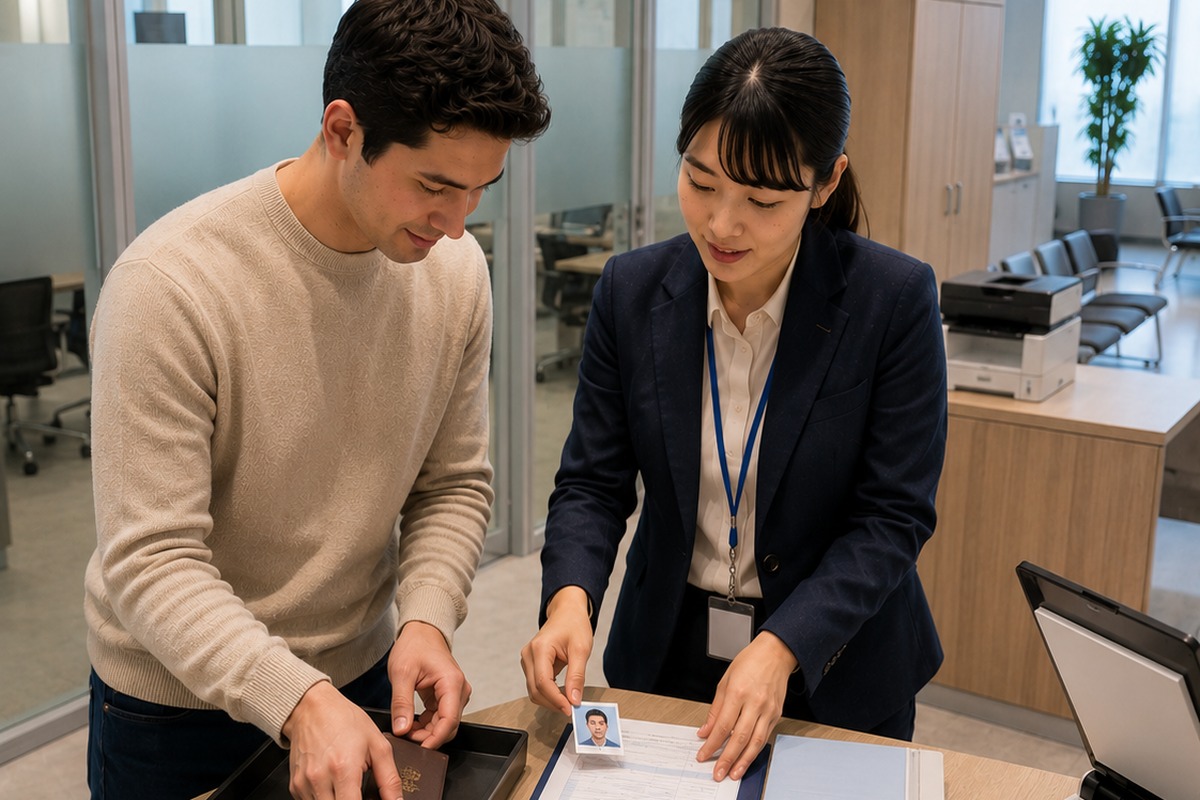
Japan’s Dependent status of residence (kazoku taizai) is for a financially supported legal spouse or child of a foreign resident who holds an eligible status, such as many work statuses, Cultural Activities or Student. For a family member overseas, the normal route is a Certificate of Eligibility (COE) in Japan, then a visa application at the responsible Japanese embassy or consulate, followed by entry before the COE expires. Dependent status does not itself permit paid work: the person must obtain permission for activity outside the status before working.
What Dependent status covers
“Dependent visa” is the common English name for Japan’s Dependent status of residence (家族滞在, kazoku taizai). It covers the ordinary daily activities of a spouse or child who is being supported by an eligible foreign resident in Japan. The period of stay is individually designated and can be up to five years.
A visa and a status of residence are different. A visa is issued by a Japanese embassy or consulate for travel to Japan. After landing permission, the person stays in Japan under the granted status of residence. The Dependent category is therefore about the family member’s legal residence and permitted activities after entry, not merely the entry visa sticker.
Who can sponsor and who can apply
The Immigration Services Agency lists Dependent as available to the supported spouse or child of a person residing under specified eligible statuses. These include many professional and work statuses, Highly Skilled Professional, Business Manager, Skilled Labor, Specified Skilled Worker (ii), Cultural Activities and Student. Specified Skilled Worker (i) and Technical Intern Training do not provide the ordinary Dependent route.
The applicant is normally the sponsor’s legally recognized spouse or child who will actually receive financial support. Parents, grandparents, siblings, cousins and an unmarried partner are outside the ordinary definition. A spouse or child of a Japanese national or Permanent Resident normally uses a different residence category, so the correct status must be chosen from the sponsor’s legal position rather than the everyday meaning of “dependent.”
- Legal spouse of an eligible foreign resident
- Child who will be financially supported by an eligible foreign resident
- Student sponsors can qualify, but the application still has to show credible ongoing financial support
Choose the correct application route
The procedure depends mainly on where the family member is now. If the family member is outside Japan, the usual route is to obtain a COE in Japan and then apply for the Dependent visa overseas. If the family member already holds another status in Japan, a change-of-status application may be appropriate. If a foreign child is born in Japan and will remain for more than 60 days, the family uses the status-acquisition procedure rather than an overseas COE.
A Temporary Visitor should not assume that changing to Dependent inside Japan is a routine substitute for the COE and overseas visa route. Confirm the correct procedure with Immigration before relying on an in-country change.
- Outside Japan: COE → visa application → landing in Japan
- Already in Japan under another status: possible change of status
- Child born in Japan: status-acquisition application if staying beyond 60 days
Prepare relationship and sponsor evidence
Build the application as one consistent family record. Names, dates of birth, marriage or birth dates, addresses, passport spellings and the sponsor’s status should match across the forms and supporting certificates. When foreign documents use different alphabets, calendar systems or surname conventions, add a Japanese translation and a short explanation where needed.
The current Dependent guidance commonly requires evidence of the family relationship, a copy of the sponsor’s residence card or passport, and proof of the sponsor’s occupation and financial circumstances. Japanese-issued certificates should generally be issued within three months. Immigration may request additional evidence after filing, and difficult-to-replace originals are not automatically returned unless return is requested at submission.
- Marriage certificate, birth certificate, family register or equivalent relationship evidence
- Sponsor residence card or passport copy
- Employment certificate, business evidence or school-related evidence as applicable
- Resident-tax income and tax-payment certificates when applicable
- Japanese translations for foreign-language documents
Show sustainable financial support
There is no single officially published salary amount that guarantees approval for every household. Immigration looks at whether the sponsor can realistically support the applicant, using the evidence appropriate to the sponsor’s situation. Stable employment and tax records are useful for an employed sponsor; business records and tax documents matter for a self-employed sponsor; scholarships, savings, remittances and a practical household budget can be important for a student sponsor.
Do not rely on one unexplained bank deposit. The evidence should tell a coherent story about how rent, tuition, food, insurance and other household costs will be paid over time. If employment or income changed recently, explain the timing and provide current supporting records.
- Employed sponsor: employment and recent tax/income evidence
- Self-employed sponsor: business and tax records plus available household funds
- Student sponsor: scholarship amount and period, savings, remittances and living-cost plan
Overseas COE and visa route
For a family member overseas, submit the COE application with the Dependent materials to the competent Regional Immigration Services Office or through an available online route used by an eligible filer. The COE application itself has no immigration application fee. The official standard processing period for a COE is one to three months, although actual processing varies and the Immigration Services Agency publishes monthly average processing data.
After the COE is issued, the applicant checks the local Japanese embassy or consulate instructions and applies with the passport, visa application form, photograph and the COE or accepted electronic/printed copy. The Ministry of Foreign Affairs states that presenting a COE normally makes the visa and landing process smoother, but a COE does not guarantee visa issuance or entry. The COE is normally valid for three months from issuance for the landing application.
- Confirm the sponsor’s status is eligible
- Prepare family, sponsor and financial evidence
- Apply for the COE
- After issuance, follow the responsible Japanese mission’s visa procedure
- Travel in time to complete landing examination before the COE expires
Check 2026 pre-entry TB screening rules
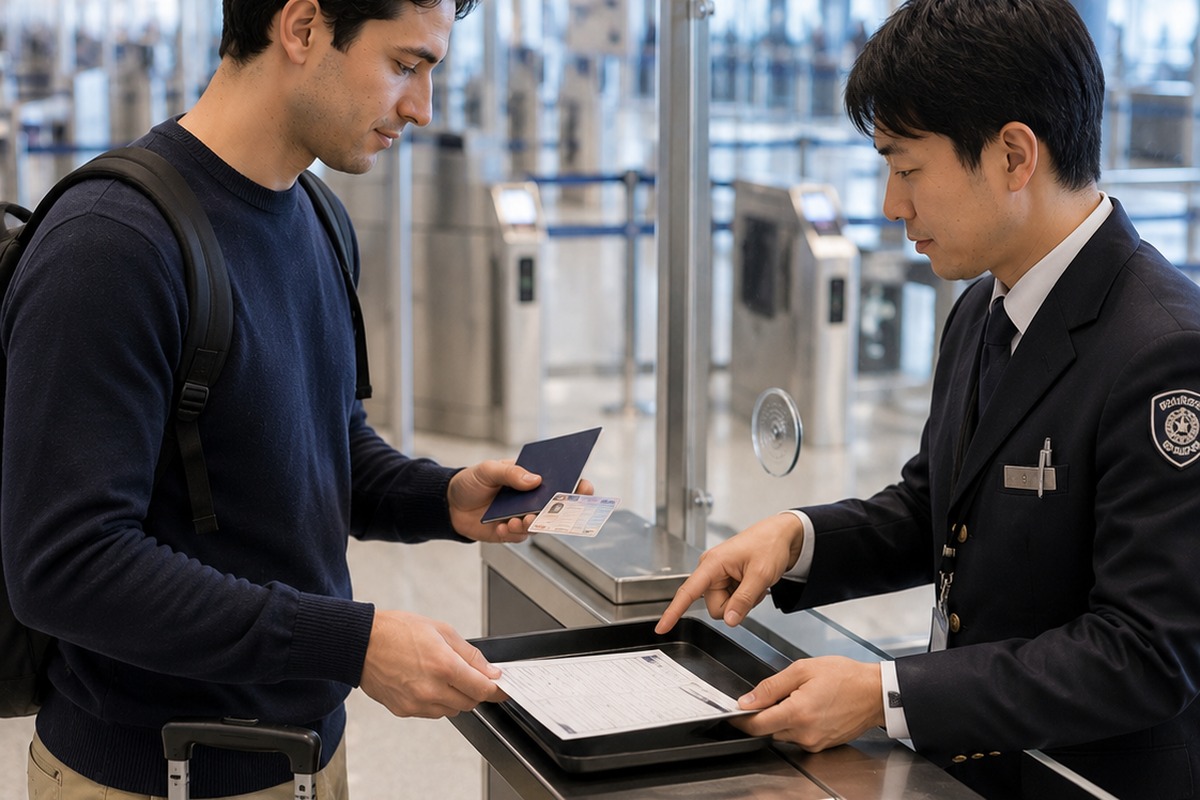
A major current pre-entry requirement is Japan Pre-Entry Tuberculosis Screening (JPETS). Submission of a TB Clearance Certificate became mandatory for applicable COE applicants from the Philippines and Nepal on June 23, 2025 and from Viet Nam on September 1, 2025. Indonesia, Myanmar and China are also designated target countries, but their start dates remain subject to official implementation updates.
The screening generally applies to nationals of the target countries who intend to enter Japan as mid- to long-term residents, subject to stated exceptions such as qualifying residence outside the target country. If it applies, use a designated panel clinic and follow the current JPETS instructions before submitting the COE application. A TB Clearance Certificate is generally valid for 180 days from the chest X-ray examination date.
- Philippines and Nepal: certificate submission requirement in effect
- Viet Nam: certificate submission requirement in effect
- Indonesia, Myanmar and China: check the current official start status before filing
- Use only a designated panel clinic when JPETS applies
In-country change and a child born in Japan
A person already in Japan under another status may apply to change to Dependent when the facts support that status and the current stay has not expired. If the change is approved, the current immigration fee is 6,000 yen for a counter application or 5,500 yen for an online application. Filing the application does not itself authorize work or other activities outside the applicant’s current status while the case is pending.
For a foreign child born in Japan, status acquisition is a separate procedure. If the child will stay in Japan for more than 60 days, the application must be filed within 30 days of birth. Birth registration at the municipality, nationality/passport procedures with the relevant embassy or consulate, and the immigration status application are distinct tasks. Since June 14, 2026, residence cards issued to people aged one or older generally display a facial photograph, so check the current photograph instructions when filing.

Processing times, fees and validity
Use official processing figures as planning guides rather than promises. The COE standard period is one to three months; change of status is generally one to two months; renewal is generally two weeks to one month. The Immigration Services Agency also publishes monthly average processing times, which are more useful for current planning when offices are busy.
COE issuance is free. If a change of status or renewal is approved, the current fee is 6,000 yen at the counter or 5,500 yen for an online application. A COE is normally valid for three months from issuance, which is different from the validity period of the visa itself. At the overseas visa stage, fees and local submission requirements can vary by nationality and diplomatic mission.
- COE: no immigration application fee
- Change or renewal after approval: 6,000 yen counter / 5,500 yen online
- COE validity: normally three months from issuance for landing
- Visa fees and local procedures: check the responsible embassy or consulate
Work rules under Dependent status
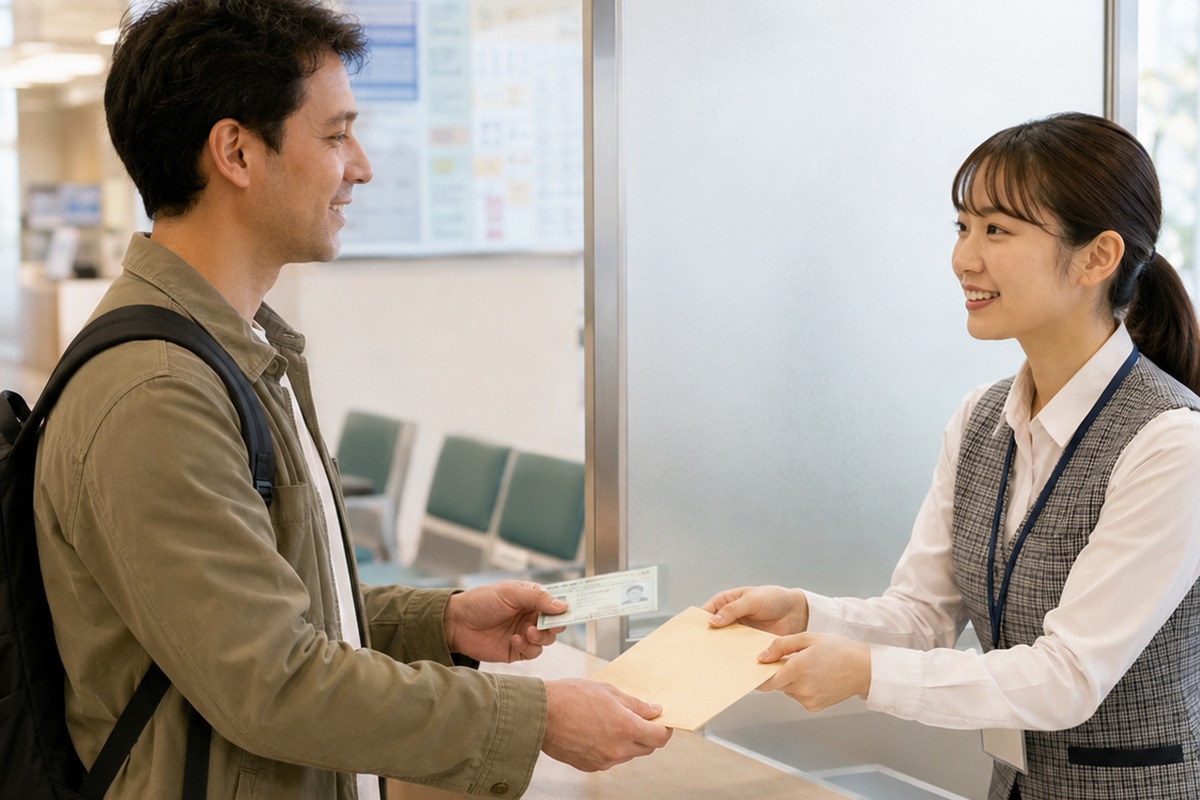
Dependent status does not itself authorize paid employment. Before working, the person must obtain permission to engage in activity outside the status. A comprehensive permission can generally allow paid activity up to 28 hours per week, subject to the conditions of the permission and exclusions such as adult-entertainment-related work.
The 28-hour limit is not 28 hours for each employer; it is the total permitted activity within the relevant week. Work whose hours cannot be objectively confirmed, some self-employed activity or activity outside the scope of a comprehensive permission may require individual permission. A person who plans unrestricted full-time work should examine the appropriate work status before starting that work.
Renewal, sponsor changes and life after arrival
For renewal, show that the family relationship continues, the sponsor still has an eligible status, support remains credible and the applicant’s activities still fit Dependent status. Keep updated relationship, sponsor, employment or school, tax and income records. Major changes such as the sponsor leaving a job or school, changing status, losing income, divorcing or leaving Japan can affect the basis of the dependent’s stay and should not be ignored until renewal.
After arrival and establishment of a residence, complete the municipal address procedure within the required period and arrange the appropriate public or employee health-insurance coverage. Keep copies of the COE, visa, landing record, residence card, relationship certificates, translations, tax records and all immigration submissions because they can be needed for renewal, school, insurance, banking or a later change of status.
Avoid delays and answer document requests carefully
Common problems include using the wrong residence category, weak proof of the legal family relationship, inconsistent names or dates, missing translations, outdated Japanese certificates, financial evidence that does not explain ongoing support, or an application that appears centered on unrestricted full-time work. Another avoidable problem is failing to disclose a material change in employment, income, address, relationship or the sponsor’s status while the case is under review.
If Immigration requests additional documents, read every item, identify the deadline and answer each point directly. When a requested record does not exist in the issuing country, explain why and submit the best relevant alternative evidence rather than silently replacing it with something unrelated. Keep a complete copy of the response and submission record.
- Use the correct status and procedure
- Keep identity and family details consistent across every document
- Use current certificates and Japanese translations where required
- Explain unusual financial, family or document circumstances
- Respond to additional-document requests by the stated deadline
FAQ
Can a parent receive Dependent status?
Not under the ordinary Dependent category, which covers a financially supported legal spouse or child. A parent needs another applicable status or a special route.
Can the spouse of a Japanese citizen use Dependent status?
Normally no. The relevant category is generally Spouse or Child of Japanese National rather than Dependent.
Can a Student-status holder sponsor a spouse or child?
Yes, Student is listed among eligible sponsor statuses, but the application still has to show credible support through scholarships, savings, remittances or other resources.
Is there a fixed minimum sponsor salary?
The official Dependent guidance does not publish one universal salary that guarantees approval. Immigration reviews the household’s overall support evidence and circumstances.
How long is a COE valid?
A Certificate of Eligibility is normally valid for three months from issuance. The applicant should complete the visa and landing process without unnecessary delay.
Can a dependent work immediately after arriving in Japan?
No. Dependent status itself does not authorize paid work. Permission for activity outside the status must be obtained before employment begins.
Does the 28-hour rule apply to each job separately?
No. Under a comprehensive permission, the limit is generally 28 hours per week in total across the permitted paid activities, not 28 hours per employer.
Do all Dependent COE applicants need a TB Clearance Certificate?
No. JPETS applies according to nationality, residence circumstances and the current implementation schedule. Applicants from covered countries should check the current official JPETS rules before filing.
Official References
- Immigration Services Agency: Status of Residence — Dependent
- Immigration Services Agency: Certificate of Eligibility Application
- Immigration Services Agency: Change of Status Application
- Immigration Services Agency: Extension of Period of Stay
- Immigration Services Agency: Acquisition of Status of Residence
- Immigration Services Agency: COE Validity Q&A
- Immigration Services Agency: Residence Application Processing Times
- Ministry of Foreign Affairs: General Visa — Dependent
- Ministry of Health, Labour and Welfare: Japan Pre-Entry Tuberculosis Screening
- Immigration Services Agency: Pre-Entry TB Screening
Final Thoughts
A Dependent application is strongest when the category, family relationship, sponsor status and financial story all fit together. Confirm the route before filing, use current official checklists, keep every name and date consistent, complete any required JPETS screening, and plan the visa and travel timeline around the COE’s validity. After arrival, complete address and insurance procedures, obtain separate work permission before paid employment, and keep the full application record for renewal or future status changes.