
How to Get Your Security Deposit Back in Japan: Move-Out & Deduction Guide
A practical 2026 guide to getting a rental security deposit back in Japan: normal wear vs tenant damage, move-out evidence, inspection, itemized deductions, special clauses and dispute steps.

In Japan, a security deposit (敷金, shikikin) secures rent and other tenancy obligations. After the lease ends and you return the apartment, the landlord must return the remaining deposit after deducting valid tenant debts. Ordinary wear and age-related deterioration are generally not the tenant’s restoration cost, while intentional or negligent damage can be charged. Your best protection is evidence: keep the lease, move-in condition records, dated photos, repair messages, rent-payment records, move-out inspection notes and the final itemized settlement. If a deduction is unclear, ask what damage is being charged, why it is considered your responsibility, how age/depreciation was considered, and which lease clause supports the charge.
What a Security Deposit Covers
A security deposit is money held to secure obligations arising from the tenancy. It is different from key money, which is usually non-refundable unless the contract says otherwise.
After the tenancy ends and the property is returned, unpaid rent, other valid tenant debts and restoration costs that are properly the tenant’s responsibility may be deducted. The remaining balance is refundable.
- Check the original deposit amount in the lease.
- Separate the refundable deposit from key money and other non-refundable fees.
- Keep records of all rent and final utility or management payments that could affect settlement.
Normal Wear vs Tenant-Caused Damage
MLIT’s restoration guidance makes a critical distinction: restoration does not mean returning the apartment to brand-new condition. Deterioration from age and ordinary use is generally treated as the landlord’s cost.
The tenant can be responsible for damage caused intentionally, negligently, through improper use, or by failing to take reasonable care. Cause and evidence matter more than the fact that a mark exists.
- Typical landlord-side examples include ordinary fading, aging and normal furniture impressions.
- Typical tenant-side examples can include cigarette burns, moving scratches, intentional alterations, impact damage or mold made worse by neglect.
- A building leak or defect is not the same as damage caused by the tenant.
Check the Lease Before Giving Notice
Read the move-out and restoration clauses before fixing your final date. The contract can contain notice-period rules, cleaning clauses, key-replacement terms or other special provisions.
A special clause should not be treated as automatically valid or automatically invalid. Identify exactly what was agreed, the amount or calculation method, and whether the burden was clearly explained.
- Required notice period and submission method.
- Early-termination charges, if any.
- Professional cleaning or air-conditioner cleaning clauses.
- Key replacement charges.
- Any fixed deduction or shikibiki-style clause.
- How and when the deposit will be settled.
Build Your Evidence File Before Moving Out
The strongest deposit-refund case is built before the keys are returned. Compare the apartment with your move-in condition report and your original photos.
Tokyo’s tenant-landlord dispute guidance specifically emphasizes checking scratches and stains at move-in and keeping photographs so they can be compared at move-out.
- Lease and important-explanation documents.
- Move-in condition sheet and dated move-in photos.
- Repair requests and responses from management.
- Dated move-out photos and video of every room.
- Rent and fee payment records.
- Inspection notes and key-return receipt.
Clean Reasonably, but Do Not Renovate the Apartment
Remove all belongings, dispose of trash correctly and perform normal household cleaning. Leaving heavy dirt, grease, trash or preventable mold can weaken your position.
Do not repaint, patch walls aggressively or replace fixtures without approval just to make the apartment look new. Unapproved repairs can create additional disputes.
- Clean kitchen grease and bathroom residue.
- Remove personal hooks, tape and belongings carefully.
- Empty storage spaces and balcony areas.
- Photograph the cleaned condition before the inspection.
How to Handle the Move-Out Inspection
Attend the inspection if possible. Walk through the apartment systematically and ask the inspector to identify any item they believe will be charged.
Do not sign a document you do not understand. If a form appears to acknowledge liability or a final amount, ask what it means before signing and request a copy.
- Take your own photos during or immediately after the inspection.
- Ask which damage is considered tenant responsibility.
- Ask whether the issue existed at move-in or was previously reported.
- Keep a copy or photo of anything you sign.
Ask for an Itemized Settlement
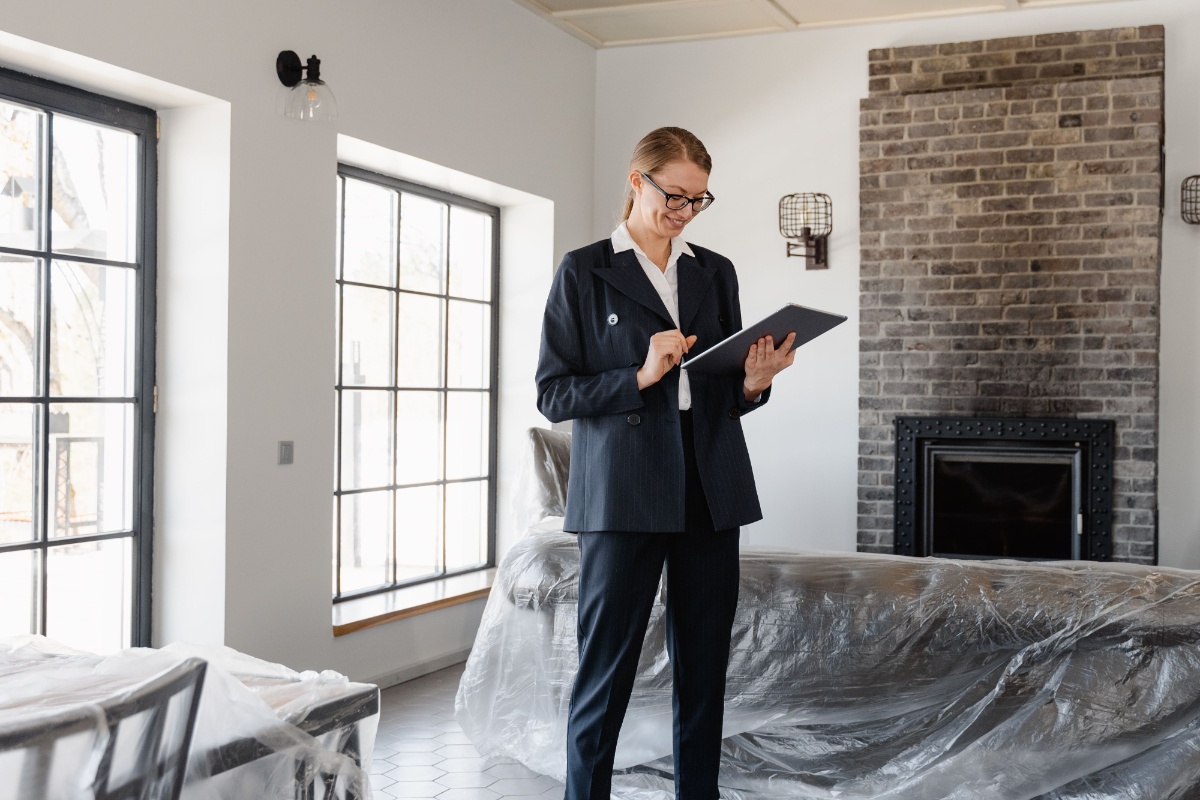
MLIT’s guidance emphasizes transparency at the settlement stage and includes a model itemized restoration-cost statement. If the deduction is a lump sum with no explanation, ask for the breakdown.
For each charge, ask for the location, type of damage, repair scope, unit price, tenant share and the lease or restoration basis. A whole-room replacement is not automatically justified by damage in one small area.
- Room or fixture being repaired.
- Description of the damage.
- Repair area or work unit.
- Total repair cost and tenant share.
- How age or remaining value was considered.
- Contract clause or stated basis for the deduction.
Age, Depreciation and the Minimum Repair Area
Even when the tenant is responsible for damage, the charge should be assessed in light of the damaged item’s age and the appropriate repair scope. MLIT guidance uses residual-value concepts and minimum repair units for many categories.
This is why replacing an entire old surface at the tenant’s full cost can require closer review when only part of it was damaged.
- Ask how old the wallpaper, flooring or fixture was.
- Ask whether the charge reflects the current value rather than new replacement value.
- Ask why a larger repair area is necessary if the damage is localized.
Cleaning Fees, Key Charges and Other Special Clauses
Cleaning and key-related charges often depend on the lease. MLIT advises tenants to confirm these special clauses before signing and again when moving out.
If you agreed to a fixed cleaning charge, compare the actual deduction with the wording of the contract. If additional restoration charges are also added, ask whether the same work is being charged twice.
- Read the exact clause rather than relying on verbal explanations.
- Check whether the amount or calculation method was stated clearly.
- Check whether the charge is fixed or tied to actual work.
- Ask about apparent duplicate charges.

What to Do If the Deduction Looks Wrong
Start with a written request for clarification. Keep the tone factual and ask for the calculation rather than arguing only that the amount feels excessive.
Compare the explanation with your lease, photos and MLIT’s restoration guidance. If agreement cannot be reached, consider a consumer-affairs consultation or legal advice appropriate to the amount and circumstances.
- Request the itemized statement in writing.
- Identify the specific lines you dispute.
- Attach only relevant evidence.
- Keep copies of emails, letters and estimates.
- Use Consumer Hotline 188 when you need help finding a local consumer-affairs consultation.
A Practical Deposit-Refund Checklist
Run this checklist before returning the keys. It is much easier to resolve a dispute when your evidence and timeline are complete.
- Lease and deposit amount confirmed.
- Notice given by the required method and deadline.
- Move-in evidence collected.
- Repair history and messages saved.
- Apartment reasonably cleaned.
- Final dated photos and video taken.
- Inspection attended or documented.
- Key return recorded.
- Forwarding address and refund bank details provided if requested.
- Itemized settlement checked line by line.
If You Need Outside Help
Japan’s official resources provide general rules and dispute-prevention guidance, but an individual dispute can turn on the lease wording, facts and evidence.
For a consumer dispute, Consumer Hotline 188 can connect you with the appropriate local consumer-affairs service. For legal questions, use an appropriate legal consultation service. Keep the lease, settlement statement and evidence ready before contacting them.
FAQ
Does the landlord have to return my security deposit?
After the tenancy ends and the property is returned, the remaining deposit must be returned after deducting obligations the tenant actually owes. The amount depends on unpaid debts, valid restoration charges and the lease.
Do I have to pay for ordinary wear and aging?
Ordinary wear from normal use and age-related deterioration are generally treated as the landlord’s cost under the standard restoration approach.
Can I be charged for wall or floor damage?
Yes when the damage is properly the tenant’s responsibility, but the cause, age of the material, repair area and appropriate tenant share should be considered.
Is a cleaning fee always invalid?
No. Cleaning charges can depend on a clearly agreed special clause and the facts. Check the wording, amount and whether the same work is being charged elsewhere.
Should I attend the move-out inspection?
If possible, yes. It lets you see what is being identified, ask questions immediately and create your own photographic record.
What if the landlord gives me only a total deduction with no details?
Ask for an itemized settlement showing what was repaired, why it is your responsibility, the repair scope, cost and basis for the tenant share.
What evidence is most useful?
The lease, move-in condition records, dated move-in and move-out photos, repair communications, inspection notes, payment records and the itemized settlement.
Where can I ask for help if we cannot agree?
Consumer Hotline 188 can connect you to a local consumer-affairs consultation. For a legal dispute, consider an appropriate legal consultation service.
Official References
- Ministry of Land, Infrastructure, Transport and Tourism — Rental Housing Move-In/Move-Out Guidance
- Ministry of Land, Infrastructure, Transport and Tourism — Guidelines on Restoration Disputes
- Tokyo Metropolitan Government — Rental Housing Trouble Prevention Guidelines
- Japan Legal Support Center (Houterasu) — Housing and Real Estate FAQ
- Consumer Affairs Agency — Consumer Hotline 188
Final Thoughts
The best way to protect a security-deposit refund is to treat move-out as an evidence and accounting process. Preserve the lease, document the apartment, attend the inspection, return the keys properly and review every deduction. Ordinary wear is not the same as tenant-caused damage, and even a legitimate damage charge should have a clear basis, appropriate scope and transparent calculation. If the numbers do not make sense, ask for the details in writing before accepting the settlement.