
How to Move Out of an Apartment in Japan: Notice, Inspection, Keys & Deposit
A practical move-out guide for renters in Japan: cancellation notice, final rent, disposal, cleaning, inspection, key return, restoration charges and deposit settlement.
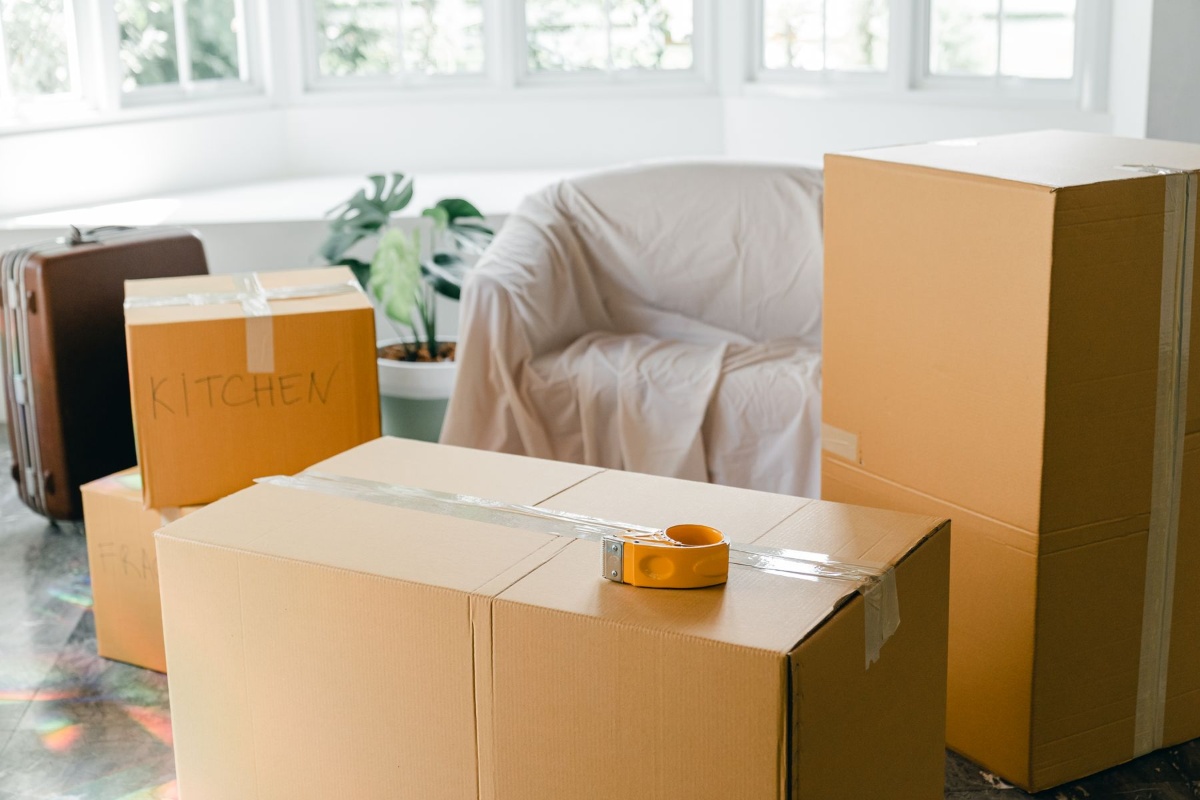
Start with your lease, not your moving date. Confirm the required cancellation notice, accepted contract-end date, final-rent rule, inspection method, key-return procedure and any cleaning or restoration clauses. Submit notice through the required channel and keep written confirmation. Before handover, remove all belongings, dispose of waste legally, clean reasonably, photograph the empty apartment, attend the inspection when possible, return every key and access item, and keep all records until the deposit and restoration settlement is complete.
Check the lease before choosing your moving date
The contractual move-out process starts with the lease. Find the clauses for cancellation or termination, notice period, fixed-term status, early-cancellation charges, final-rent calculation, inspection, cleaning, restoration, key return and deposit settlement.
There is no single notice period that applies to every private residential lease. The Ministry of Land, Infrastructure, Transport and Tourism's Standard Residential Lease Agreement uses at least 30 days as a model, but the model is not mandatory. Your signed lease and any valid special clauses control the practical procedure.
- Notice period and required submission method
- Ordinary lease or fixed-term lease
- Contractual termination date and final-rent calculation
- Early-cancellation penalty, if any
- Move-out inspection and key-return method
- Cleaning, restoration and deposit-settlement clauses
Confirm the lease type and the date your obligation actually ends
Do not confuse the day your belongings leave with the day the lease ends. Rent can remain payable through the accepted contractual termination date even when you physically vacate earlier.
For a fixed-term lease, early termination depends on the contract and applicable law. MLIT's fixed-term lease guidance explains that, for certain residential fixed-term leases under 200 square meters, a tenant facing unavoidable circumstances such as transfer, medical treatment or family care can have a statutory right to terminate with one month's notice. Other early-exit rights depend on the contract and facts.
- Notice-submission date
- Accepted contractual termination date
- Physical move-out date
- Inspection and possession-return date
- Final-rent period
Submit cancellation notice correctly and preserve proof
Use the recipient and method required by the lease or management company. If a designated form, portal, app or email address is required, use it rather than relying only on a telephone call or informal message.
Ask for written confirmation of the date notice was received, the accepted termination date, final-rent treatment, inspection appointment and key-return instructions. Save the sent form, confirmation email, portal receipt or other dated evidence.
- Tenant name and contact details
- Property name, address and room number
- Requested contract-end date
- Expected physical move-out date
- Inspection request
- Forwarding address or future contact method
Build the move-out schedule before the final week
Work backward from the accepted handover date. Moving companies, building access, large-item disposal, utilities, internet, municipal procedures and mail forwarding can all require separate reservations or deadlines.
Apartment buildings may require advance notice for elevator use, loading space, protective coverings or permitted moving hours. Confirm these rules with the management office and moving company before moving day.
- Book the moving company and confirm building access
- Arrange large-garbage and appliance disposal early
- Cancel or transfer electricity, gas, water and internet
- Complete municipal moving notifications separately
- Arrange mail forwarding and update important accounts
- Keep the Japanese bank account needed for rent or deposit refunds open until settlement is complete
Remove every belonging and dispose of waste legally
The apartment should normally be handed back empty unless the landlord has expressly agreed in writing to accept an item. Do not leave furniture, appliances, bicycles, curtains, routers, garbage or cleaning supplies because you think the next tenant may want them.
Oversized garbage often requires municipal booking and a disposal fee. Certain appliances use separate recycling routes. Arrange disposal early enough that nothing remains in the apartment or common garbage area on handover day.
- Furniture and household goods
- Large garbage and recyclable appliances
- Bicycles and parking items
- Internet or rental equipment
- Balcony and storage-space items
- All ordinary garbage
Clean reasonably, but do not create new damage with unauthorized repairs
Remove ordinary dirt, dust, grease, hair, soap residue and garbage. Clean kitchens, bathrooms, toilets, floors, closets, drains, filters and balconies with products suitable for the surface.
A contractual professional-cleaning charge can still apply even when you clean yourself. Conversely, cleaning does not mean repainting, replacing wallpaper, patching holes or carrying out repairs without permission. Unauthorized work can destroy evidence or cause additional damage.
- Use non-damaging cleaning products and tools
- Report active leaks or dangerous defects instead of hiding them
- Do not repaint or replace materials without written permission
- Keep any repair approval or management-company instruction
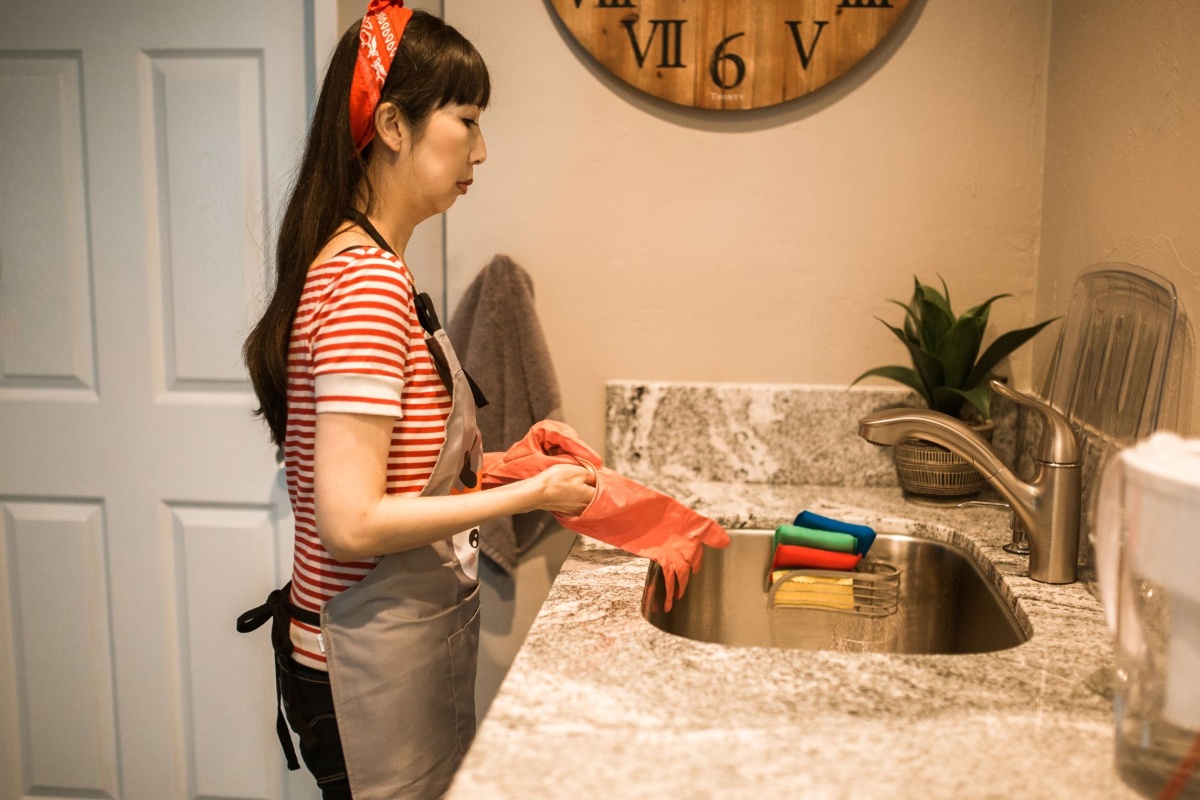
Separate ordinary wear from tenant-caused damage
Japan's Civil Code distinguishes ordinary wear and aging from damage for which the tenant is responsible. Article 621 states that the tenant's restoration duty excludes ordinary wear from normal use and aging deterioration, and also excludes damage caused by reasons not attributable to the tenant.
The actual allocation can still depend on the lease, valid special clauses, evidence, cause of damage and the age of the material. MLIT's restoration guidelines are an important reference when reviewing a claim, but they do not replace the signed contract or a case-specific legal assessment.
- Ordinary wear and aging
- Pre-existing damage
- Damage caused by negligence or abnormal use
- Unreported leaks or deterioration made worse by delay
- Pet, smoking or unauthorized-alteration damage where applicable
- Special clauses that were clearly agreed
Create a complete photo and video record after the apartment is empty
Photograph the apartment after all belongings are removed and cleaning is finished, but before returning possession. A continuous video plus wide and close photographs gives stronger context than isolated close-ups.
Compare the move-out condition with your move-in inspection photos and past repair communications. Keep the original files and a backup until the settlement is fully resolved.
- Entrance and every room
- Walls, floors, ceilings, doors and windows
- Kitchen, bathroom, toilet and drains
- Balcony, closets and built-in equipment
- Existing scratches, stains or repairs
- All keys and access items before return
Handle the final inspection carefully
Attend the inspection when practical so that both sides can identify pre-existing damage, ordinary wear and any new allegations together. Bring the lease, move-in condition record, repair messages and your move-out photographs.
Read any inspection sheet before signing. A document may merely record condition, or it may contain wording that accepts responsibility or specific charges. If you agree that damage exists but do not agree with liability or cost, do not sign broader wording you do not understand.
- Ask what each disputed item is being classified as
- Request photographs and the calculation basis
- Keep a copy or photo of every document presented
- Record any disagreement in writing
- Ask when the itemized settlement will be issued

Return all keys and confirm that possession has been handed back
Return every landlord-issued key, duplicate key, card key, entry fob, mailbox key, remote or access device through the method specified by the management company.
Obtain dated confirmation that the keys were received and the handover was completed. Do not re-enter the apartment after possession has been returned unless the landlord or management company authorizes it.
- All original and duplicate keys
- Mailbox, parking and bicycle-area access items
- Security cards and entry fobs
- Parking or gate remotes
- Written receipt or handover confirmation
Check the deposit and restoration settlement line by line
Civil Code Article 622-2 provides for return of the remaining security deposit after the leased property is returned, after deducting obligations secured by the deposit. The practical processing time can also be described in the contract or management company's settlement procedure.
Ask for an itemized statement rather than accepting a lump-sum restoration charge. The National Consumer Affairs Center continues to report disputes over cleaning, wallpaper and other restoration charges and recommends requesting an explanation and discussing the allocation using the contract and MLIT restoration guidelines.
If a charge is unclear, request the contract clause, photographs, dimensions, quotation or invoice and calculation basis. Keep the undisputed and disputed items separate and respond in writing. Consumer affairs or housing consultation services can help when the dispute cannot be resolved directly.
- Deposit originally received
- Unpaid rent or other contractual obligations
- Each repair or cleaning item
- Area, quantity, unit price and tenant share where applicable
- Refund amount or additional balance
- Refund destination and expected processing schedule
FAQ
Is one month's notice always required?
No. MLIT's standard residential lease uses at least 30 days as a model, but that model is not mandatory. Check the notice period and method in your signed lease.
Can I stop paying rent when I physically move out?
Not automatically. Rent can remain due through the accepted contractual termination date even when your belongings leave earlier.
Can I leave a fixed-term lease early?
It depends on the contract and facts. Certain residential fixed-term tenants can have a statutory one-month termination right when specific legal conditions and unavoidable circumstances apply. Confirm your case before relying on it.
Do I have to attend the move-out inspection?
Not every lease handles inspection the same way, but attending is useful because you can compare the condition and record disagreements in real time. If you cannot attend, request photographs, written inspection notes and an itemized settlement.
Should I repair scratches or holes myself before leaving?
Do not repair or alter the property without permission. Document the condition and ask the landlord or management company how it should be handled.
When should my security deposit be returned?
Civil Code Article 622-2 provides for the remaining deposit to be returned after the property is returned, after proper deductions for secured obligations. The contract or management company may describe the practical settlement schedule.
Official References
- Ministry of Land, Infrastructure, Transport and Tourism: Points to Note When Moving Into and Out of Rental Housing
- Ministry of Land, Infrastructure, Transport and Tourism: Standard Residential Lease Agreement
- Ministry of Land, Infrastructure, Transport and Tourism: Fixed-Term Building Lease Q&A
- Ministry of Land, Infrastructure, Transport and Tourism: Guidelines on Restoration Disputes
- Tokyo Metropolitan Government: Guidelines for Preventing Tenant-Landlord Disputes
- National Consumer Affairs Center of Japan: Rental Restoration Disputes
- Japanese Law Translation: Civil Code Articles 621 and 622-2
Final Thoughts
A smooth move-out is mostly about dates, evidence and documented handover. Check the lease first, give valid notice, confirm the contractual end date, remove and clean everything, preserve photographs, handle the inspection carefully, return every key and keep all records until the deposit and restoration settlement is finished.