
Bank Fees and ATM Charges in Japan: Withdrawals, Transfers, Free Hours & Fee Traps
Understand ATM fees and bank charges in Japan: card issuer vs ATM operator, withdrawals, transfers, convenience-store ATMs, coin handling, free-use benefits and overseas-card costs.
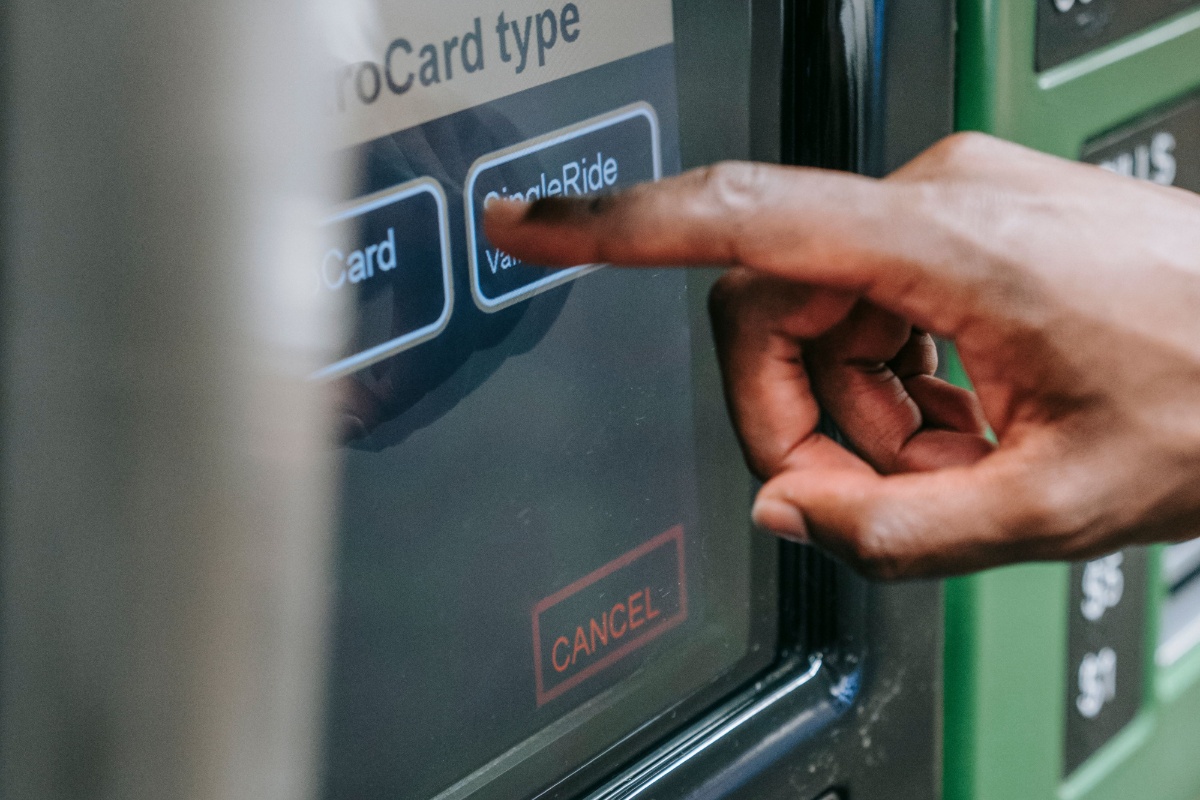
There is no single ATM fee in Japan. The amount can depend on the bank that issued your card, the ATM operator, the transaction type, the day and time, the ATM location and any account benefits you qualify for. A transfer made at an ATM can also create two separate charges: an ATM usage fee and a bank-transfer fee. The safest habit is to check your card issuer’s current fee table, confirm the fee displayed on the machine or app before approval, and compare the total annual cost rather than one advertised free period.
Use a simple fee formula before every transaction
Japanese bank fee tables are usually matrices rather than one fixed price. Two people standing at the same ATM can face different charges because they use cards from different banks or have different account benefits.
Before withdrawing or transferring money, identify the card issuer, the ATM or channel, the transaction, the current time band and the benefits attached to your account.
- Card issuer: the bank or financial institution that issued your cash card
- ATM operator: your bank, Japan Post Bank, Seven Bank, Lawson Bank, E-net or another partner
- Transaction: withdrawal, deposit, balance inquiry, transfer or coin transaction
- Timing: weekday, weekend, holiday and time band
- Account benefit: monthly free uses, salary-deposit benefits or account tier
Separate ATM usage fees from transfer fees
An ATM usage fee pays for using a particular machine or network. A transfer fee pays for sending money to another account. They are different charges.
When you make a bank transfer at an ATM, both can apply to the same transaction. That is why the first fee shown on a screen is not always the entire cost. Internet banking and banking apps are often cheaper transfer channels, but the exact schedule still depends on your bank.
- ATM usage fee: machine or network charge
- Transfer fee: charge for sending money to another account
- Handling fee: separate charges for coins, documents, reissued cards or other services
- Foreign-card fee: may be charged by the Japanese ATM operator, foreign issuer or both
Read an ATM fee table in the right order
Open the current fee page of the bank that issued your card. The ATM operator’s page can be useful, but your card issuer normally determines the customer-specific fee schedule.
Then match the exact ATM network, transaction and time band. Read every footnote because exceptions often cover maintenance periods, holidays, off-site machines, coin handling and separate transfer charges.
- Find the fee table for your exact account or cash card
- Choose the exact ATM network
- Select withdrawal, deposit, transfer or another transaction
- Match weekday, weekend and time band
- Apply any free-use allowance
- Read the footnotes before relying on the headline fee
Your bank’s ATM and a convenience-store ATM can have very different rules
A bank’s own branch ATM often has the simplest free-use window, but off-site machines carrying the same bank name can have different hours or fee conditions. Convenience-store ATMs offer long operating hours but may have higher standard charges.
Japan Post Bank’s current schedule illustrates how strongly location matters: its own post-office and branch ATMs are treated differently from many station, shopping-center and convenience-store locations, and partner networks have their own fee bands.
Do not choose an ATM only by the convenience-store name. Check the logo on the actual machine and then verify the fee for your card.
- Branch ATM
- Off-site bank ATM
- Convenience-store ATM
- Japan Post Bank ATM
- Partner-bank ATM
Withdrawal, deposit, balance inquiry and coins are separate services
A machine that allows cash withdrawals may not accept deposits, and a convenience-store ATM may not accept coins at all. Balance inquiry is frequently free, but supported cards and service hours still differ.
Coin transactions deserve special attention. Banks can limit the hours, quantity or type of coin transaction and may charge separately. Repeating many small coin deposits can therefore cost more than expected.
- Withdrawal rules can be time-based
- Deposit availability can differ from withdrawal availability
- Balance inquiry can have different service hours
- Coin deposits may be limited to selected ATMs
- Coin handling may create a separate charge
Domestic transfer fees usually depend on the channel and destination bank
A domestic transfer can cost differently depending on whether the recipient is at the same bank or another bank and whether you use an app, internet banking, an ATM or a branch counter.
Current official bank fee pages continue to show that digital channels are commonly cheaper than cash or counter transfers. Exact amounts and free-transfer allowances vary by bank and account package, so treat any example price as temporary.
Before approval, confirm whether the fee is added to your total payment or deducted from the amount intended for the recipient.
- Same-bank vs other-bank destination
- App or internet banking
- ATM using a cash card
- ATM using cash where supported
- Branch-counter transfer
- Who bears the fee under your agreement
Free-use quotas and account benefits can change the real cost
Many banks reduce ATM or transfer fees for customers who meet specified conditions. Benefits can be based on salary deposits, pension deposits, account balance, debit-card use, digital-account enrollment or another account tier.
Check when the bank measures eligibility and when the free-use allowance becomes active. A condition met this month may affect next month rather than today, and unused free uses may not carry forward.
- Free convenience-ATM uses per month
- Free other-bank transfers
- Reduced fees at selected partner ATMs
- Salary or pension deposit benefits
- Account-tier or digital-account benefits
Withdrawal limits are different from fees and can change
A fee table tells you what a transaction costs; a withdrawal-limit page tells you how much the bank will allow. These are separate controls.
For example, Japan Post Bank changed the maximum daily ATM withdrawal setting for individual customers from August 17, 2026, generally limiting non-app-biometric ATM withdrawals to a maximum setting of ¥500,000. This is a bank-specific example, not a nationwide limit.
Check your own bank’s current default limit, maximum configurable limit and any special authentication rules before planning a large cash withdrawal.
- Daily limit
- Per-transaction limit
- Cash-card vs app or biometric authentication
- Domestic-issued vs overseas-issued cards
- Temporary security restrictions
Overseas-issued cards can create several layers of cost
If you use a card issued outside Japan, the Japanese ATM operator’s charge is only one possible cost. Your home bank or card issuer can also impose a foreign-ATM fee, international transaction fee or exchange-rate markup.
Some ATMs may offer to convert the withdrawal into your home currency. Compare the displayed exchange-rate information carefully; accepting on-screen currency conversion is a separate decision from the ATM usage fee itself.
Japan Post Bank’s international ATM information specifically notes that certain overseas-issued cards can incur its ATM usage fee and that the card issuer may charge additional fees.
- Japanese ATM operator fee
- Foreign card-issuer ATM fee
- Foreign transaction or currency-conversion charge
- Exchange-rate spread or markup
- Withdrawal limit for overseas cards
Reduce fees by changing the workflow, not by chasing one cheap ATM
The most reliable savings usually come from changing how often and where you transact. Fewer planned withdrawals, digital transfers and realistic account benefits can reduce repeated small charges.
Do not open or maintain a complicated account only for a benefit that you rarely use. Compare the annual cost of your normal behavior instead.
- Withdraw less frequently and plan the amount
- Use your bank’s verified free period when practical
- Use app or internet banking for transfers when appropriate
- Use free-use benefits only when you genuinely qualify
- Avoid unnecessary coin transactions
- Review the official fee table whenever your routine changes

If a fee or ATM result looks wrong, keep evidence and stop repeating the transaction
If an ATM charges more than expected, keep the receipt and record the ATM location, time, network and transaction type. Compare that information with the fee table for your card issuer.
If the account is debited but no cash is dispensed, or if the card is retained, do not keep retrying large transactions. Use the official contact number displayed on the ATM or the operator’s verified website and contact your card issuer when necessary.
For a transfer-fee problem, confirm the final amount that reached the recipient before sending additional money.
- Keep the ATM receipt
- Record the machine location and time
- Check whether two separate fees were charged
- Contact the ATM operator and card issuer through official channels
- Do not disclose your PIN to anyone offering help
FAQ
Are convenience-store ATMs always more expensive?
No. They are often chargeable, but bank partnerships and account benefits can make some transactions free. Check the current fee table for your own card.
Does a free ATM transfer mean the bank transfer itself is free?
Not necessarily. An ATM usage fee and a transfer fee are separate. One can be free while the other still applies.
Why did the same ATM cost more at night?
Many banks use different time bands. The card issuer’s schedule, not just the ATM operator, determines the applicable fee.
Can I deposit coins at a convenience-store ATM?
Usually not. Coin deposits are generally limited to selected bank or post-office ATMs and can have separate hours, quantity limits and charges.
Is internet banking always the cheapest way to transfer money?
It is often cheaper than an ATM or branch counter, but free quotas, destination bank, account package and transfer amount can change the result.
Do overseas-issued cards have the same ATM fees as Japanese cash cards?
No. The Japanese ATM operator can charge one fee while the overseas card issuer can add its own ATM, international-transaction or currency-conversion charges.
Should I choose a bank only because its ATM fee is low?
No. Also compare ATM locations, transfer fees, free-use conditions, app quality, language support, account requirements and how you receive salary or pay regular bills.
Official References
Final Thoughts
Bank charges in Japan become much easier to control when you stop looking for one universal ATM price. Identify the card issuer, ATM operator, transaction, time band and account benefit, then check every fee before approval. Small charges become meaningful when repeated every month, so compare your normal annual banking pattern rather than one isolated transaction.