How to Apply for Child Allowance in Japan: Amounts, 15-Day Rule & Documents
A practical 2026 guide to Japan’s child allowance (jidō teate): eligibility, monthly amounts, the 15-day application rule, documents, third-child counting, moving, public servants, and what foreign residents need to know.

Japan’s child allowance (児童手当, jidō teate) is available for eligible children through high-school age, generally until the first March 31 after the child turns 18. Since the October 2024 expansion, there is no income limit for the allowance itself. Monthly amounts are ¥15,000 for a first or second child under age three, ¥10,000 for a first or second child from age three through high-school age, and ¥30,000 for a third or later child. You must apply to the municipality where the recipient is registered, or to the employing authority if the recipient is an eligible public servant. After a birth or qualifying move, apply within 15 days beginning the day after the event; applying late can mean losing payment for one or more months.
Who Can Receive Child Allowance?
The standard recipient is a parent or other eligible caregiver raising a child who lives in Japan through high-school age. Foreign nationality does not by itself prevent eligibility: a foreign-resident caregiver with the required resident registration can qualify under the same basic system.
When both parents qualify, the municipality determines the recipient. Local guidance commonly treats the parent with the higher continuous income as the main household supporter, although separation, custody, residence, employment and public-servant status can affect the decision. The national income limit for receiving the allowance has been abolished, but income can still be relevant when deciding which parent is the recipient.
2026 Monthly Payment Amounts
The expanded national system remains in effect in 2026. The amount depends on the child’s age and whether the child is counted as the first, second, or third-or-later child.
Payments are made six times a year in even-numbered months, normally covering the previous two months. The exact deposit date is set by the administering municipality or employing authority.
- Under age three, first or second child: ¥15,000 per month.
- Age three through high-school age, first or second child: ¥10,000 per month.
- Third or later child, from birth through high-school age: ¥30,000 per month.
How the Third-Child Count Works
For the higher third-child rate, the count can include an older child after high-school age through the first March 31 after turning 22 when the claimant provides care equivalent to supervision and bears a substantial part of that person’s living expenses. The older child can affect the birth-order count but does not personally receive child allowance.
A municipality may require the official confirmation concerning equivalent supervision and living-expense support. If an older child lives separately, studies, works, or has independent income, explain the situation accurately and use the form required by your municipality.
Where and How to Apply
Apply to the city, ward, town, or village where the intended recipient has resident registration. The child-allowance desk may be in a child and family division rather than the family-register counter. Eligible public servants generally apply through their employing authority instead of the municipality.
Application routes vary by municipality. Counter, postal, and electronic applications through Myna Portal or a local system may be available. Check your own municipality before relying on a route offered elsewhere.
- Confirm which caregiver should be the claimant.
- Check whether the claimant is an eligible public servant.
- Find the child-allowance section of the claimant’s municipality.
- Confirm whether counter, post, or online application is accepted.
The 15-Day Rule After Birth or Moving
As a general rule, payment starts from the month after the month in which a valid claim is received. A special rule protects families when a birth or move occurs near the end of a month: if the application is made within 15 days beginning on the day after the qualifying event, the application can be treated as timely for the earlier month.
For a birth, count from the day after the date of birth. For an inter-municipal move, official local guidance commonly counts from the day after the relevant move-out or transfer date. Confirm the exact date with the receiving municipality.
Do not wait for every supporting document if the deadline is approaching. Some municipalities explicitly allow the recognition claim to be filed first and additional documents to follow. Late applications are generally not backdated for the lost period.
Documents to Prepare
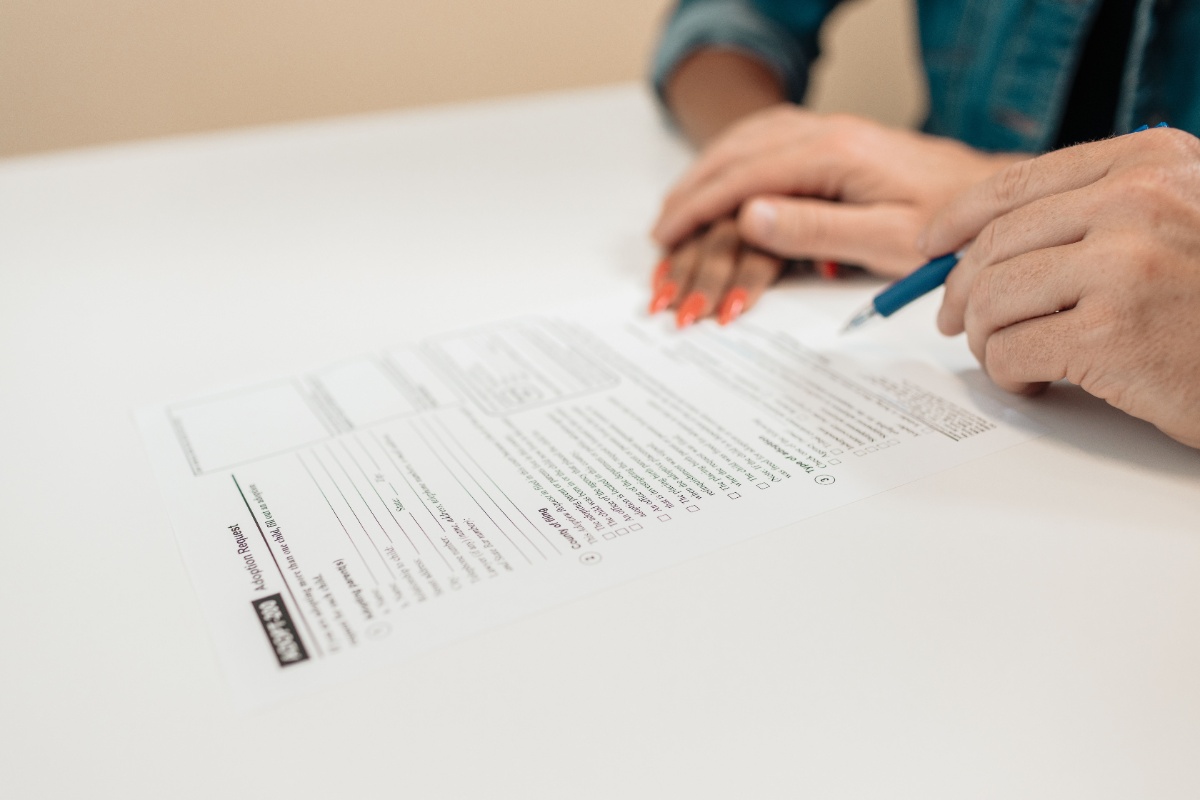
The exact checklist is local, but a new recognition claim commonly requires the claimant’s identification, My Number information, bank-account details, and information needed to confirm pension or health-insurance status. Additional evidence can be required for special family circumstances.
The receiving bank account normally must be in the approved claimant’s name. For foreign residents, use the account-holder name exactly as registered by the bank, including the correct Roman-letter or katakana form.
- Child-allowance recognition claim form (認定請求書).
- Claimant identity document.
- My Number information or documents required for official data checks.
- Bank details for an account in the claimant’s name.
- Health-insurance or pension-status evidence when requested.
- Additional forms for separate residence, representation, overseas study, guardianship, or older supported children when applicable.
Step-by-Step Application
Treat the deadline as the controlling task. First identify the claimant and correct authority, then submit the claim and keep proof of submission. Respond promptly if the municipality requests missing evidence.
- Identify the likely recipient and public-servant status.
- Confirm the correct municipality or employing authority.
- Record the birth or move date and calculate the 15-day period.
- Prepare the recognition or amount-change form and standard documents.
- Tell the authority about separate addresses, older supported children, overseas residence, divorce discussions, guardianship, or representation.
- Submit the application and keep the receipt, submission number, stamped copy, or postal tracking.
- Check the decision notice for the recipient, eligible children, start month, amount, and bank account.

When a Child Is Born
The birth notification and child-allowance application are separate procedures. Filing a birth notification does not automatically create a child-allowance claim. Apply to the municipality where the intended recipient lives even when the birth occurred elsewhere.
If you already receive child allowance and another eligible child is born, the procedure is usually an amount-change request rather than a completely new recognition claim. Confirm the form with your municipality and observe the same 15-day timing.
When You Move to Another Municipality
Moving to another municipality normally ends administration by the old municipality and requires a new recognition claim at the new municipality. Do not assume the benefit automatically follows your resident record.
Apply promptly after the move to protect the earliest possible payment month. A move within the same municipality may instead require an address update, depending on local procedure.
Public Servants and Special Family Situations
Eligible public servants generally receive child allowance through their employing authority. When becoming or ceasing to be a public servant, contact both the municipality and employer promptly because the administering authority can change.
Separate residence, divorce discussions, study abroad, foster care, institutional placement, minor guardianship, and parents living overseas can trigger special rules or additional forms. A child generally must live in Japan, with limited statutory treatment for qualifying study abroad.
After Approval and Changes You Must Report
Read the approval or decision notice carefully and confirm the recipient, eligible children, payment start month, monthly amount, third-child count, and bank account. Payments are generally made every two months.
An annual current-status report is no longer required from every recipient under the national default, but some recipients still must submit one when instructed. Ignoring a required report can stop payment.
Report changes promptly. Overpayments caused by unreported changes can be reclaimed.
- Birth or loss of eligibility of a child.
- Name or address changes affecting the claimant or children.
- Moving to another municipality.
- Becoming or ceasing to be a public servant.
- Separation, divorce, remarriage, custody, or living-arrangement changes.
- A child leaving or returning to Japan.
- Bank-account changes.
- Changes to support for an older child used in the third-child count.
Common Problems to Avoid
The most expensive mistake is usually missing the application deadline. Birth registration, resident registration, and child allowance are related but separate procedures.
Another common problem is assuming that incomplete documents mean you should delay filing. Ask whether the claim can be received first and supplemented later. Also verify that the bank account belongs to the claimant and that the registered account-holder name matches exactly.
- Birth notification filed, but no child-allowance claim submitted.
- Waiting for every attachment and missing the 15-day period.
- Using a child’s or spouse’s bank account instead of the claimant’s.
- Failing to submit a new claim after moving to another municipality.
- Not submitting the older-child support confirmation needed for the third-child count.
FAQ
Can foreign residents receive child allowance in Japan?
Yes. Foreign nationality does not by itself prevent eligibility. A foreign-resident caregiver can qualify when the ordinary residence, caregiving and child-residence requirements are satisfied.
Is there an income limit in 2026?
No income limit applies to receiving child allowance under the expanded system. The parents’ circumstances, including income, can still be considered when deciding which parent should be the recipient.
Is child allowance automatic after registering a birth?
No. A separate recognition claim or amount-change procedure is required.
How long do I have to apply after a birth?
Apply within 15 days beginning on the day after the birth to protect the earliest eligible payment month.
Can I receive missed payments if I apply late?
Normally, payment is not backdated for months lost because of a late application, subject to the 15-day special rule.
Can child allowance be paid into my child’s bank account?
Normally no. The receiving account must be in the approved claimant’s name.
Does a 20-year-old child receive child allowance?
No, but an older supported child through the first March 31 after turning 22 can count toward the third-child calculation when the statutory support conditions are met.
Can I apply online?
Many municipalities support electronic applications through Myna Portal or a local service, but available procedures and required electronic authentication vary by municipality.
Official References
Final Thoughts
For child allowance in Japan, timing matters more than perfection. Confirm the correct claimant and authority, submit the claim within the 15-day window after a birth or qualifying move, and ask whether missing supporting documents can follow. After approval, verify the start month, payment amount, third-child count and bank account, then report later changes promptly.