
Using Pharmacies and Drugstores in Japan: OTC Medicine, Prescriptions & Pharmacist Help
A practical 2026 guide for foreign residents using pharmacies in Japan, from filling paper or electronic prescriptions to insurance documents, medication records, generics, OTC medicines, and what to do when a medicine is unavailable.

For prescription medicine, look for a dispensing pharmacy (chōzai yakkyoku / 調剤薬局) or a drugstore with an operating prescription counter, and take the prescription there within its valid period. A standard insurance prescription is generally valid for four days including the issue date, with weekends and public holidays counted. In 2026, show your Myna Health Insurance Card (a My Number Card registered for health insurance) or a valid Eligibility Confirmation Certificate at the pharmacy; conventional health insurance cards and the temporary grace handling for expired cards have ended. Bring your medication record and tell the pharmacist about allergies, pregnancy or breastfeeding, medical conditions, prescription drugs, OTC medicines, vitamins, and supplements.
Dispensing pharmacy or drugstore: know the difference
In Japan, a place that sells shampoo, cosmetics, snacks, and over-the-counter medicine is not automatically able to fill a prescription. Prescription dispensing is handled by a pharmacy counter staffed for dispensing, commonly identified by signs such as 調剤薬局 (chōzai yakkyoku), 処方箋受付 (shohōsen uketsuke, prescriptions accepted), or 保険薬局 (hoken yakkyoku, insurance pharmacy).
A large drugstore may contain a separate dispensing pharmacy, but the dispensing counter can have shorter hours than the retail store. Check the prescription-counter hours rather than relying on the main store opening time. Some clinics and hospitals still dispense medicine in-house, in which case no separate pharmacy visit is needed.
- Dispensing pharmacy: fills prescriptions and provides pharmacist counseling.
- Drugstore with a dispensing counter: can fill prescriptions while that counter is operating.
- Drugstore without a dispensing counter: sells permitted OTC products but cannot fill your prescription.
- Clinic or hospital with in-house dispensing: medicine is supplied there, so a separate pharmacy may not be necessary.
Find a pharmacy that can fill your prescription
You usually do not have to use the pharmacy next to the clinic. A valid prescription can generally be taken to another dispensing pharmacy that can accept it and obtain the prescribed medicine. Using one regular pharmacy can still be useful because the pharmacist can more easily review your medication history and spot duplication or interaction risks.
Before traveling, especially for an uncommon medicine or a prescription issued late in the day, confirm that the pharmacy is accepting prescriptions, that its dispensing counter is still open, and that it can obtain the medicine. If you need language support, ask whether English or another language is available at the time you plan to visit.
- Check the dispensing counter's reception deadline, not only the store's closing time.
- If the prescription is close to expiry, tell the pharmacy the issue date when you call.
- For an electronic prescription, confirm that the pharmacy participates in the electronic prescription system.
- If a medicine is uncommon or time-sensitive, ask about stock before making a long trip.
What to bring to the pharmacy in 2026
For a paper prescription, bring the original prescription. For an electronic prescription, follow the reception method explained by the medical institution and the pharmacy. Also bring the document you use to verify health-insurance eligibility and any medication record you have.
Japan's conventional health insurance cards are no longer valid. At medical institutions and pharmacies, people using Myna Hokensho present a My Number Card registered for health insurance; people not using it present a valid Eligibility Confirmation Certificate (資格確認書). The temporary handling that allowed an expired conventional insurance card ended on July 31, 2026.
Your medication record remains useful even when electronic prescription data is available. Electronic systems do not necessarily contain all OTC medicines or supplements, so tell the pharmacist directly about everything you take.
- Original paper prescription, or the information required for an electronic prescription.
- Myna Health Insurance Card or valid Eligibility Confirmation Certificate.
- Paper or electronic medication notebook (お薬手帳), if available.
- A list or photos of current medicines if your record is incomplete.
- Information about drug or food allergies, pregnancy or breastfeeding, chronic conditions, and previous adverse reactions.
- A payment method; accepted methods vary by pharmacy.
How to fill a paper prescription step by step
First, check the prescription's issue date. An ordinary insurance prescription is generally valid for four days including the issue date, and Saturdays, Sundays, and public holidays count. If a doctor or dentist has written a different valid period because of special circumstances such as long travel, follow that period instead.
At the pharmacy, hand over the original prescription and complete any first-visit questionnaire. Present your insurance eligibility document when requested. The pharmacist may ask about allergies, other medicines, pregnancy, symptoms, or how you have used similar medicine before. These questions are part of the safety check, not a second medical examination.
The pharmacist then checks the prescription, prepares the medicine, and explains how to use it. Before leaving, confirm the medicine name, strength, amount, dosing schedule, storage instructions, important warnings, and what to do if you miss a dose or experience a problem. Do not guess if an instruction is unclear; ask the pharmacist to repeat or write it down.
- Day 1 is the date the prescription was issued.
- Submit the original before the valid period ends.
- Answer medication and allergy questions accurately.
- Ask for simpler Japanese, written instructions, or translation support if needed.
- Check every bag and medicine label before leaving the counter.

How electronic prescriptions work
Electronic prescriptions are available only at participating medical institutions and pharmacies. Like paper prescriptions, they are generally valid for four days including the issue date. Paper prescriptions remain available; the electronic system has not eliminated them.
If you use a Myna Health Insurance Card at a participating pharmacy, the pharmacy can retrieve the electronic prescription through the system after reception. If you use an Eligibility Confirmation Certificate, you may need the six-digit exchange number shown on the prescription information copy or available through the relevant electronic prescription information.
With your consent, participating facilities can use electronic prescription data to review recent prescribed and dispensed medicines and help detect duplicate medication or combinations that require attention. This does not remove the need to mention OTC products, supplements, or other information that may not be recorded electronically.
- Confirm both the medical institution and pharmacy support electronic prescriptions.
- Keep the prescription information copy or exchange number when instructed.
- A valid Eligibility Confirmation Certificate can be used with electronic prescriptions, but the workflow differs from Myna Hokensho reception.
- If the electronic prescription expires, contact the issuing medical institution; the pharmacy cannot simply extend it.
What the pharmacist will ask and why
Pharmacists are expected to check whether the medicine can be used safely and correctly. They may ask what other prescription drugs you use, whether you take OTC cold medicine or painkillers, whether you use supplements, whether you have allergies, and whether you are pregnant or breastfeeding.
A pharmacist may contact the doctor when the prescription is unclear, a dose needs confirmation, a possible interaction appears, or another safety issue needs to be resolved. This can increase waiting time, but it is a normal safety process. Do not change the prescribed dose or stop a prescription medicine on your own because of a delay or concern; ask the pharmacist or prescribing clinician.
- Show the same medication notebook each time when possible.
- Mention OTC medicines, vitamins, herbal products, and supplements as well as prescriptions.
- Tell the pharmacist about previous side effects or allergies.
- Ask about driving, alcohol, food interactions, storage, and timing if these matter to your daily routine.
Insurance, payment, and what can change the price
When insured treatment rules apply, the pharmacy verifies your eligibility and calculates the patient share for covered dispensing and medicine. The exact amount can vary with the medicine, quantity, dispensing services, insurance status, age, income category, public assistance or subsidy programs, and whether special charges apply.
Do not assume every item sold in a pharmacy is covered by health insurance. Prescription medicines supplied under insured care are handled differently from ordinary OTC products and retail goods. If you are unsure why the amount is higher than expected, ask the pharmacy to explain the receipt and whether any part is outside ordinary insurance coverage.
Payment methods vary. Many pharmacies accept cash, and some accept cards or electronic payments, but this is not universal. If you are collecting an expensive prescription, checking the payment methods in advance can prevent problems at the counter.
Generic medicines and the 2026 brand-name extra charge
A pharmacist may ask whether you are willing to receive a generic medicine when an approved generic is available and the prescription allows substitution. Generics use the same active ingredient as the corresponding originator medicine under Japan's approval system, but the product name, appearance, additives, and price can differ.
A major cost rule changed in June 2026. When the selection-treatment rules apply and a patient chooses a qualifying long-listed originator medicine even though a generic is available, the patient pays a special charge equal to half of the price difference between the originator and the highest-priced generic, in addition to the ordinary patient copayment; consumption tax also applies to that special charge.
The special charge does not apply in every case. For example, it may not apply when the originator is medically necessary or when providing the generic is difficult because of supply conditions. If the pharmacy asks about generic substitution or an originator preference, ask what options are available and whether the special charge would apply to your prescription before deciding.
- Ask the pharmacist whether a generic is available for the prescribed medicine.
- If you prefer the originator, ask whether a special charge applies and why.
- If a clinician has indicated medical necessity, the pharmacy follows the prescription and applicable rules.
- Do not choose based only on package appearance or name; confirm the active ingredient and instructions with the pharmacist.
If the pharmacy does not have your medicine
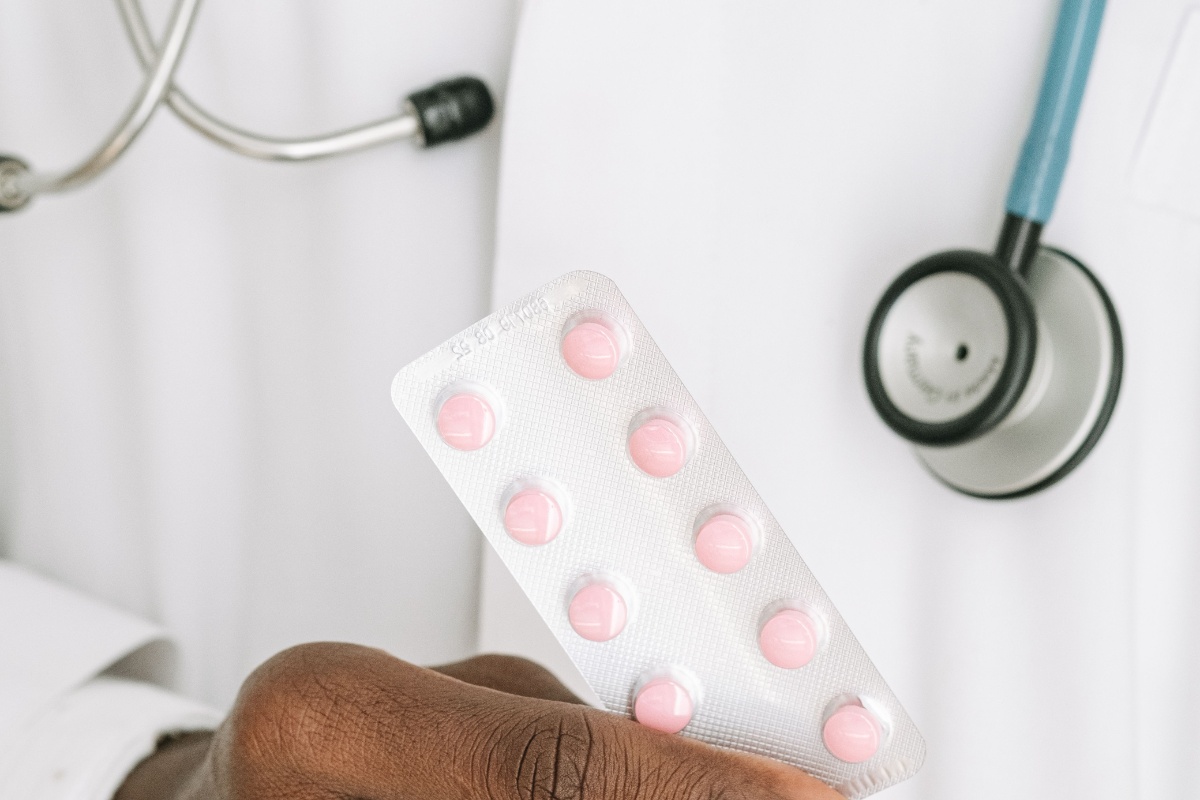
A pharmacy may not have every medicine or strength in stock. Staff may be able to order it, arrange a later pickup, or explain whether another pharmacy is more likely to have it. Do not wait until the prescription's last valid day if the medicine may be uncommon.
If part of the prescription cannot be supplied immediately, ask the pharmacist exactly what has been dispensed, what remains outstanding, and what you should do next. Do not independently substitute another product or change the dose.
Another person may sometimes collect medicine for a patient, but the pharmacy still needs the prescription and enough patient information to dispense safely. Procedures can vary, and additional confirmation may be needed, so contact the pharmacy before sending a family member or caregiver.
- Call ahead for uncommon, refrigerated, controlled, or urgently needed medicines.
- If stock is unavailable, ask whether the pharmacy can order it within the prescription's valid period.
- Keep the pharmacy's instructions if a later pickup is arranged.
- For proxy pickup, confirm required documents and patient information in advance.
Buying over-the-counter medicine safely
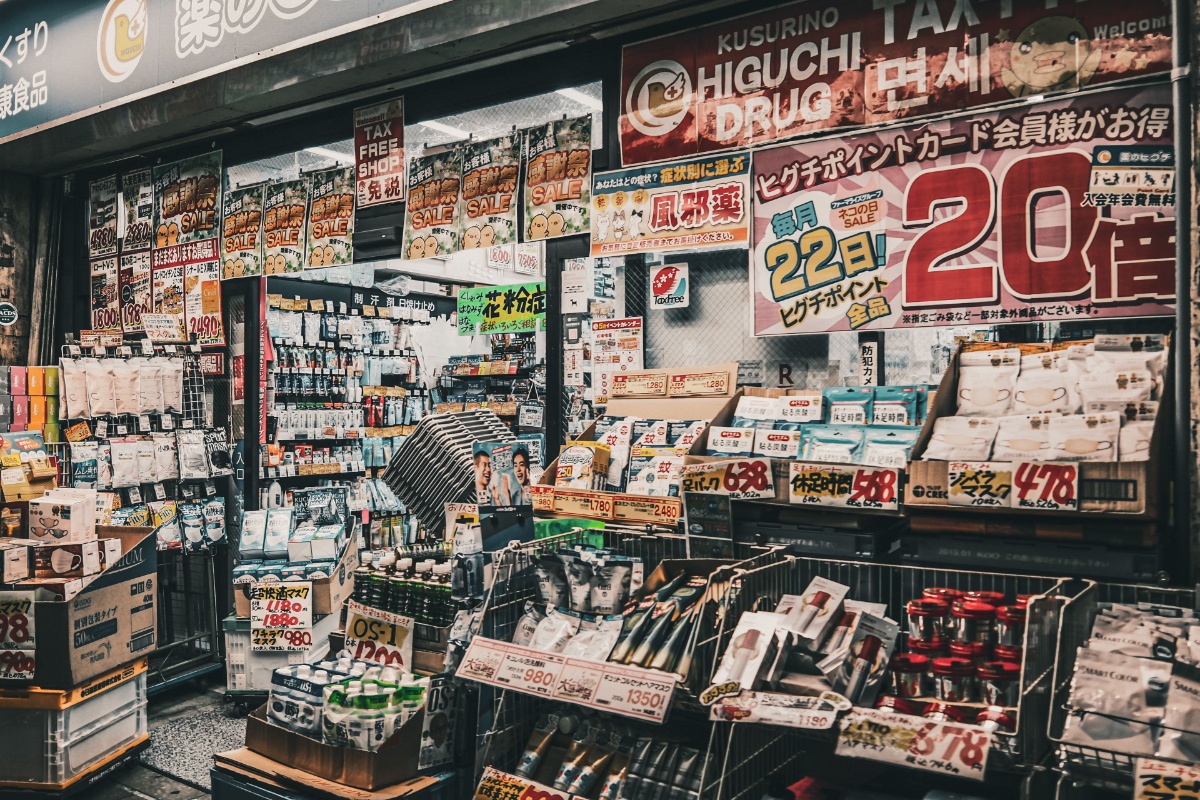
OTC medicine can be bought without a prescription, but choosing it only by package color, advertising, or a familiar foreign brand name is risky. Ingredients and strengths can differ from products sold under similar names overseas.
Tell the pharmacist or registered salesperson your main symptom, age, existing conditions, allergies, pregnancy or breastfeeding status, and what medicines or supplements you already use. PMDA specifically advises people who are receiving treatment, pregnant or breastfeeding, or have medicine or food allergies to consult pharmacy staff before using an OTC product.
Some OTC categories require more direct professional involvement. Guidance-required medicines and Class 1 OTC medicines require information from a pharmacist. For any product, read the package insert and follow the stated dose, duration, and precautions. If symptoms are severe, unusual, worsening, or not improving within the period described in the product information, seek medical advice rather than repeatedly switching OTC products.
- Use the active ingredient and indication, not the brand name alone, to compare products.
- Ask whether an OTC product duplicates an ingredient in your prescription medicine.
- Check warnings about drowsiness, driving, alcohol, pregnancy, and age limits.
- Keep a record of OTC medicines you use so you can tell doctors and pharmacists later.
Before you leave: check the medicine and know when to get help
Before leaving the pharmacy, compare the medicine you received with the pharmacist's explanation. Make sure you understand when to take it, how much to take, whether it should be taken with food, how to store it, and any important activity restrictions. If the label or instructions are only in Japanese, ask for clarification rather than relying on a machine translation for a safety-critical point.
Keep the medication information sheet, receipt, and medication notebook entry. If you later notice a possible error, have a question about how to take the medicine, or develop a concerning reaction, contact the dispensing pharmacy or the prescribing medical institution promptly.
For symptoms that may be life-threatening, such as severe breathing difficulty, loss of consciousness, or rapidly worsening severe symptoms, call 119 for emergency help. Pharmacy advice is not a substitute for emergency medical assessment.
- Medicine name and strength match what was explained.
- Number of tablets, packets, inhalers, bottles, or other units is clear.
- Dose and timing are understood.
- Storage and important warnings are clear.
- You know who to contact if a problem occurs.
FAQ
Can I take a Japanese prescription to any pharmacy?
In general, you can take a valid prescription to a dispensing pharmacy that can accept it and supply the medicine; you do not have to use the pharmacy next to the clinic. Check dispensing hours, stock, and electronic-prescription support when relevant.
How long is a prescription valid in Japan?
A standard insurance prescription is generally valid for four days including the issue date, and weekends and public holidays count. If a doctor or dentist has written a different valid period because of special circumstances, follow that period.
Do I need a My Number Card to use a pharmacy in 2026?
No. If you use Myna Hokensho, present your My Number Card registered for health insurance. If you do not use Myna Hokensho, present a valid Eligibility Confirmation Certificate. Conventional health insurance cards are no longer valid, and the temporary grace handling ended on July 31, 2026.
Can I use an electronic prescription at every pharmacy?
No. Electronic prescriptions can be used only at participating pharmacies. Confirm participation before visiting, especially if you are traveling away from the medical institution that issued the prescription.
Can I choose a generic medicine?
Often yes when an approved generic is available and the prescription permits substitution. The pharmacist can explain the available products. Since June 2026, choosing certain qualifying long-listed originator medicines can trigger an additional special charge when the selection-treatment rules apply.
Can someone else collect my prescription medicine?
A family member or caregiver may sometimes collect medicine for the patient, but the pharmacy still needs the prescription and sufficient patient information for safe dispensing. Procedures differ, so call the pharmacy first and ask what the representative must bring.
What should I do if I think a medicine is causing a serious side effect?
Contact the dispensing pharmacy or prescribing medical institution promptly for advice. If symptoms may be life-threatening or are rapidly worsening, call 119 or seek emergency medical care rather than waiting for routine pharmacy advice.
Official References
- Ministry of Health, Labour and Welfare — Prescription validity period
- Ministry of Health, Labour and Welfare — Health insurance eligibility verification at medical institutions and pharmacies
- Ministry of Health, Labour and Welfare — How to use electronic prescriptions
- Ministry of Health, Labour and Welfare — Electronic prescription Q&A for patients
- Ministry of Health, Labour and Welfare — Electronic medication notebooks
- Ministry of Health, Labour and Welfare — Selection treatment for long-listed originator drugs with generics
- PMDA — Safety advice for OTC and guidance-required medicines
Final Thoughts
The safest way to use a pharmacy in Japan is to treat the pharmacist as part of your care team: bring the prescription promptly, show current insurance eligibility proof, share your complete medication history, and ask until every instruction is clear. The four-day prescription window is short, so deal with stock, language support, and dispensing hours early rather than on the final day.