
How to Get a Credit Card in Japan as a Foreigner: Application Guide
Foreign residents can apply for credit cards in Japan, but approval depends on each issuer's screening. This 2026 guide explains the documents to prepare, how to keep your name and address consistent, what Japanese credit information contains, how to choose a realistic first card and what to do after a rejection.
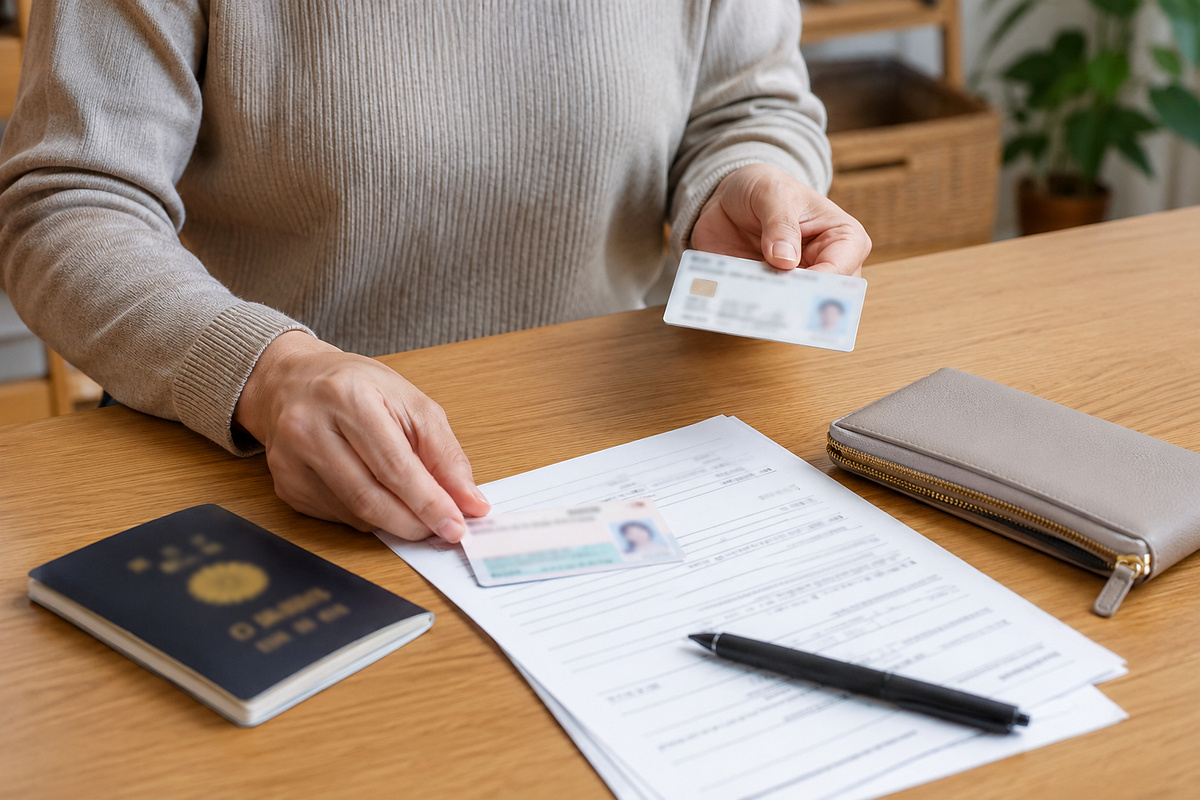
Foreign residents can apply for Japanese credit cards when they meet the issuer's eligibility and identity-verification requirements, but approval is never guaranteed. Before applying, make sure your current Japanese address is registered correctly, your name is written consistently across the application and supporting documents, your Japanese phone number can receive calls or messages, and any required payment bank account is ready. Card issuers use their own screening standards and do not publish a universal approval formula. CIC, Japan's designated credit bureau for credit-card and installment transactions, records application inquiries, contract details and payment status from member companies; application information is retained for six months. If you are declined, correct factual mismatches first and avoid sending many new applications simply to test different issuers.
Foreign nationality does not automatically prevent a Japanese credit-card application
Japanese card issuers accept applications from foreign residents when the applicant satisfies the product's eligibility rules and completes the required identity and residence checks. Nationality by itself is not the only factor, and approval is not automatic for Japanese or foreign applicants.
The practical issue is whether the issuer can verify who you are, where you live, how to contact you, how the bill will be paid and whether its screening concludes that the account can be managed safely.
- Read the eligibility rules for the exact card before applying.
- Use your current registered address in Japan.
- Prepare the identity documents requested by that issuer.
- Expect a screening decision rather than guaranteed approval.
Make your name and address match before you submit the application
Name mismatches are a common practical problem for foreign residents because a residence card, bank account, mobile contract and online form can use different character sets, spacing or name order. Use the issuer's instructions and keep the spelling as consistent as possible across the documents it will compare.
The address on the application should match the current address on the accepted identity documents. JCB and SMBC both publish identity-document rules that require current-address information and valid documents.
- Check roman-letter spelling, middle names and spacing.
- Update an old address before applying.
- Do not shorten or invent a name just to fit the form without following the issuer's instructions.
- Keep a note of the exact name format used on your bank account.

Expect residence-card checks and later status updates
Major issuers may ask foreign residents to submit a residence card or Special Permanent Resident Certificate and may confirm the status of residence and expiration date. SMBC states that it may request updated residence information when the current period expires.
EPOS also states that customers who used a residence card for identification can be asked to provide updated residence information, and card use can be restricted when required updates are not completed.
- Use a valid, current residence document.
- Submit both sides when the issuer requires them.
- If your residence period is renewed, respond to later update requests from the card company.
- Do not upload identity documents through an unofficial link or message.
Prepare a reachable Japanese phone number and an accepted payment account
Many applications require a Japanese phone number so the issuer can contact you or complete verification. Keep the number active until the application and card delivery are finished.
Many Japanese cards also use automatic bank-account transfer for monthly payment. The supported banks and registration method vary by issuer, so confirm that your account can be registered before you rely on a particular card.
- Use a phone number you actually answer.
- Check voicemail and SMS during the application period.
- Confirm the bank-account name format.
- Check whether online bank-account registration is supported or whether a paper procedure is required.
Use accurate employment and income information
Enter your actual employer, employment status, length of service and income information using the definitions on the application. Do not inflate income, hide debts or change job details to make the application look stronger.
If you are newly employed, self-employed, a student or a dependent spouse, choose a card whose published eligibility matches your situation rather than assuming every product uses the same rules.
- Use the employer name that can be verified.
- Enter annual income using the issuer's requested basis.
- Disclose borrowing or housing information when the form asks for it.
- Do not guess when a field is unclear—use the issuer's help page or support channel.

Credit-card screening uses both application data and credit information
The detailed scoring formula is not public and differs by company. METI explains that credit providers assess the user's ability to pay, while card issuance and the credit limit remain subject to each provider's judgment within the legal framework.
CIC stores objective credit information supplied by member companies, including application inquiries, contract details, outstanding balances and payment status. This information can be referenced when a member company evaluates a new application.
- There is no official 'easy approval' card.
- A high salary alone does not guarantee approval.
- Payment history and current credit obligations can matter.
- Each issuer can reach a different decision using its own screening policy.
Understand what CIC records before making repeated applications
CIC records the fact that a member company accessed your file for a new credit or loan application. CIC states that application information is retained for six months after the inquiry.
That does not mean a fixed number of applications automatically causes rejection. However, because recent application inquiries can be visible to member companies, repeatedly applying only to test issuers adds information without fixing the reason the first application failed.
- CIC application information: retained for six months after the inquiry.
- Credit-contract information: generally retained during the contract and for five years after it ends.
- Payment status can be included in the credit record.
- CIC does not provide an English-language disclosure report.
Choose the first card for fit, not for the signup campaign
A practical first card is one whose eligibility, annual fee, billing cycle, bank-account requirements, support language and normal benefits match your actual life in Japan.
Premium benefits are not useful if the annual fee is high or the application requires conditions you cannot satisfy. Start with a product you can manage every month and upgrade later if your needs change.
- Annual fee and renewal conditions.
- Payment date and withdrawal date.
- Accepted payment bank accounts.
- International brand and where you normally shop.
- App and customer-support language.
- Foreign-currency fee if you will use the card outside Japan.
Do not request borrowing features you do not need
A credit card is already a post-payment product. Cash-advance functions and revolving-payment settings create additional borrowing or interest exposure and should be chosen only when you understand their conditions.
For a first card, keep the product simple. Read the payment-method settings carefully after approval so a one-time purchase does not unexpectedly become revolving or installment debt.
- Request cash advance only when genuinely necessary.
- Check whether revolving payment is opt-in or can be set through a campaign or account setting.
- Read the interest and fee information before using borrowing features.
- Prefer full monthly payment when that matches your budget.
Application flow: prepare, apply, verify, receive and activate
Most applications follow the same broad sequence even though the details differ by issuer. Prepare the documents first, complete the form accurately, respond to any verification request and make sure you can receive the card using the delivery method specified by the issuer.
After receiving the card, register the issuer's app or online account, confirm the payment date and bank account, and enable the security functions you plan to use.
- 1. Read the exact eligibility and fee page.
- 2. Prepare residence and identity documents.
- 3. Match name, address, phone and bank-account information.
- 4. Submit one accurate application.
- 5. Respond to verification requests.
- 6. Receive the card using the required delivery method.
- 7. Confirm the first payment date and account settings.
If you are declined, fix facts before applying again
Card companies generally do not publish a detailed screening formula, so a rejection does not give you a precise checklist of what failed. Start with the facts you can verify: name spelling, address, phone contact, bank-account registration, employment details and whether you recently changed residence or job.
If you suspect a domestic credit-information problem, CIC lets consumers request disclosure of their own registered information. The English guidance explains what can be checked, but the disclosure report itself is not provided in English.
- Do not falsify the next application.
- Correct old addresses and name mismatches.
- Check whether recent card or loan payment delays are recorded.
- Use CIC disclosure when you need to verify domestic credit information.
- Reapply when your information or circumstances are genuinely clearer or stronger, not simply a few days later without changes.
Use debit or prepaid cards while building a stable Japanese financial setup
A debit card or prepaid card can cover many everyday purchases while you establish a bank account, phone number, address history and regular payment routine in Japan. These products do not create the same revolving credit relationship as a standard credit card.
They are not identical replacements—hotel deposits, rental cars, subscriptions and some overseas services may treat them differently—so keep more than one payment method available.
- Use debit for ordinary purchases when accepted.
- Keep cash for cash-only merchants and emergencies.
- Check subscription and hotel rules before relying on prepaid or debit.
- Build a record of paying every Japanese bill on time.
FAQ
Can a foreign resident get a credit card in Japan?
Yes. Foreign residents can apply when they meet the issuer's eligibility and identity-verification requirements. Approval still depends on the issuer's screening.
Do I always need a residence card?
Requirements vary by issuer, but major issuers may require or specifically request a residence card or Special Permanent Resident Certificate from foreign residents. Check the exact card's document list.
Do I need a Japanese bank account?
Many cards use automatic withdrawal from a Japanese bank account, but supported banks and registration methods vary. Check the exact product before applying.
Does a high salary guarantee approval?
No. Issuers use their own screening standards and can consider multiple types of application and credit information. No single income level guarantees approval.
Can I see my Japanese credit information?
Yes. CIC provides a consumer disclosure procedure for registered credit information. Its English guidance explains the process, but CIC states that the disclosure report itself is not available in English.
How long does CIC keep application information?
CIC states that application information is retained for six months after the member company accessed the database for the application.
What should I do after a rejection?
Check factual mismatches, recent job or address changes, payment history and domestic credit information before applying again. Avoid submitting many new applications without fixing anything.
Official References
- CIC — What Is Credit Information Disclosure?
- CIC — Credit Information Held and Retention Periods
- METI — Credit Transactions and the Installment Sales Act
- JCB — Identification Documents for Card Applications
- SMBC Card — Residence Card Verification
- EPOS Card — Residence Card Submission and Status Updates
Final Thoughts
The strongest first application is not the most ambitious card—it is the application whose identity, address, phone, bank and employment information all match and can be verified. Choose one realistic product, submit accurate information, respond quickly to verification and then pay every statement on time. If you are declined, use the result as a signal to verify your setup and credit information rather than sending a series of unchanged applications.