
How to Get a Health Checkup in Japan: Types, Costs & What to Bring
A practical 2026 guide to health checkups in Japan, including workplace exams, specific health checkups, municipal screening, booking, costs, preparation, results and follow-up.

Start by identifying which program you actually need. In Japan, an employer-arranged workplace examination, a health-insurer specific health checkup (特定健診), municipal cancer screening, a private ningen dock, and a certificate examination are different services with different eligibility, test items and payment rules. Confirm the organizer, participating facility, required tests, deadline, cost, fasting instructions and result-submission method before booking. If you already have symptoms or feel unwell, use ordinary medical care rather than waiting for a screening appointment.
Choose the Right Type of Health Checkup
Japan does not have one universal health checkup that every resident books in the same way. The correct route depends on why you need the examination and who is organizing it. A workplace health examination is tied to employment rules, a specific health checkup is tied to your health insurer and age, municipal screening is tied to local eligibility, and a private ningen dock is an optional preventive package.
These programs are not automatically interchangeable. A municipal screening may not include every item required by an employer, while a private package may include tests that are not needed for a certificate or statutory workplace examination. Before choosing a clinic, identify the exact program name and the organization that will accept the result.
- Workplace examination: arranged or specified by an employer for workers covered by occupational health rules.
- Specific health checkup (特定健康診査 / 特定健診): for people aged 40 to 74 through their medical insurer, focused on lifestyle-disease risk.
- Municipal screening: health or cancer-screening programs run by a city, ward, town or village under local eligibility rules.
- Private ningen dock (人間ドック): a broader self-selected preventive package, often partly or fully self-paid.
- Required health certificate (健康診断書): an examination chosen to satisfy an employer, school, training program or licensing requirement.
Workplace Health Examinations: What Employers Arrange
Under Japan’s Industrial Safety and Health Act and related regulations, employers must provide health examinations to workers covered by the rules. A medical examination is required at hiring for covered workers, and a periodic examination is generally required once within each year. Workers engaged in certain specified duties may be examined more frequently, including every six months in some cases.
For a standard periodic examination, the listed items include medical and work history, symptoms, height, weight, waist measurement, vision and hearing, chest X-ray and related respiratory testing, blood pressure, anemia testing, liver function, blood lipids, blood glucose, urine testing and an electrocardiogram. Some periodic-exam items may be omitted when the regulatory criteria are met and a physician judges them unnecessary, so two employees may not always receive an identical set of tests.
Follow your employer’s instructions before booking elsewhere. Ask HR or the occupational-health contact which facility you may use, whether a reservation is made for you, which test items are mandatory, who receives the results, whether you need to pay first and claim reimbursement, and what happens if you cannot attend the assigned date.
- Do not assume that a private checkup can replace the employer’s required examination.
- Do not add or remove test items without checking the employer’s required package.
- If you already had a recent examination, ask HR whether the result can be accepted instead of arranging a duplicate test.
- The statutory examination cost is generally the employer’s responsibility; optional add-ons are a separate matter.
Specific Health Checkups for Ages 40 to 74
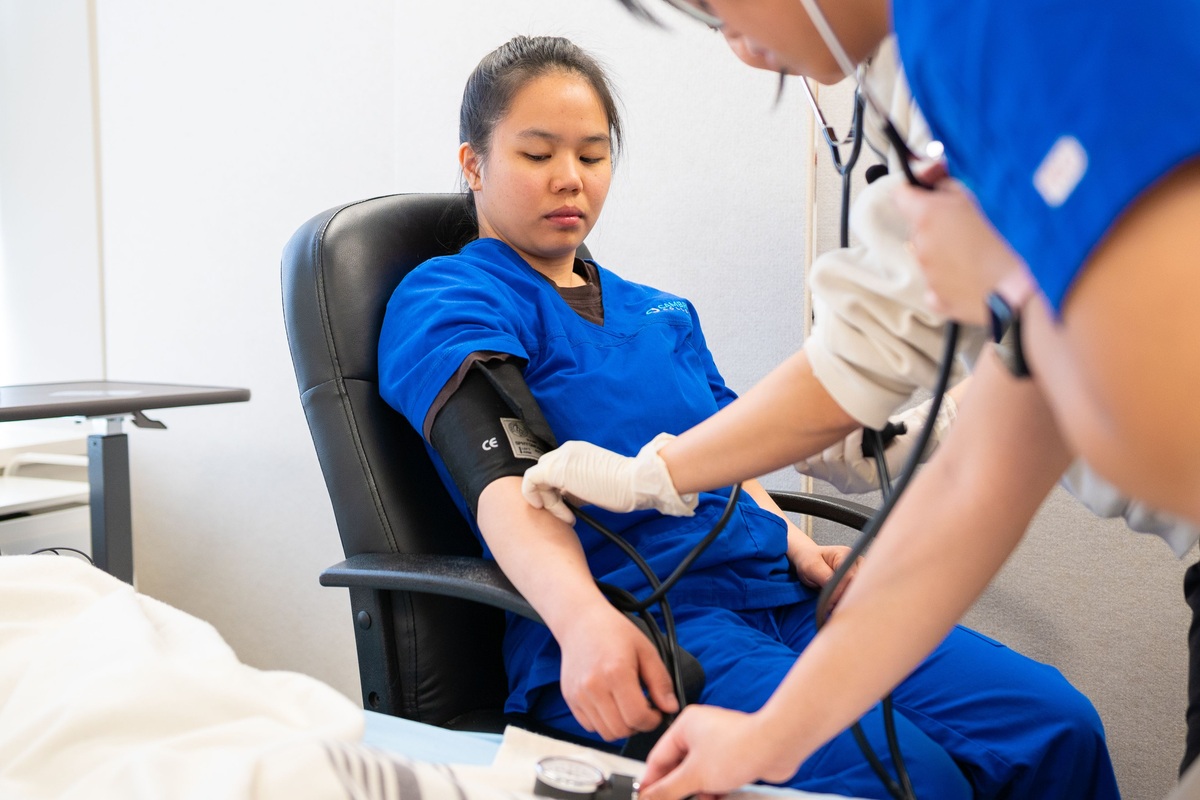
Japan’s specific health checkup system (特定健診) is aimed at people aged 40 to 74 and focuses on prevention of lifestyle-related disease, including risk associated with metabolic syndrome. The program is administered by medical insurers rather than by one national booking center.
Your insurer may send a voucher, a list of participating medical institutions, a questionnaire or booking instructions. In 2026, eligibility, the valid period of the voucher, reservation method and patient charge still depend on the insurer and plan. For example, Japan Health Insurance Association publishes annual information for its own members, while National Health Insurance members receive guidance through their municipality or insurer.
A specific health checkup is not the same thing as a full cancer-screening package or a ningen dock. If you also receive an employer examination, check whether equivalent data are already being collected before booking another program.
- Check the insurer name shown on your current insurance information.
- Use the current-year voucher or insurer instructions.
- Choose a participating facility, not simply the nearest clinic.
- Confirm whether the checkup is free, subsidized or subject to a copayment.
- Ask how and when the results will be delivered and whether health guidance is offered.
Municipal Cancer Screening and Private Ningen Dock
Municipalities offer screening programs according to local rules. The Ministry of Health, Labour and Welfare promotes evidence-based population screening for stomach, lung, colorectal, breast and cervical cancer, but the target ages, intervals, test methods, fees, application windows and participating facilities are not identical nationwide. Always use the current page or notice for your city or ward.
A private ningen dock is different. It is a preventive package purchased from a medical-checkup center or hospital and may include additional blood tests, ultrasound, endoscopy, imaging or other optional examinations. Package names are not standardized, so compare the actual test list rather than the marketing label.
More testing is not automatically better. The useful question is whether a test is appropriate for your age, history and purpose and what follow-up will be available if an abnormality is found. If you have symptoms, screening is not a substitute for an ordinary medical consultation.
- Municipal screening: confirm local eligibility and the current fiscal-year application period.
- Ningen dock: ask what is included, what is optional and whether employer or insurer subsidies apply.
- Certificate examination: show the required form before booking so the clinic can confirm every requested item.
- If pregnant or possibly pregnant, tell the facility before any examination involving radiation or other procedures that require special consideration.
How to Book a Health Checkup
The easiest booking process starts with the organizer, not with a random clinic. For an employer examination, contact HR or the designated clinic. For a specific health checkup, use the insurer’s voucher and provider list. For a municipal program, use the city or ward’s current screening page. For a private ningen dock, contact the medical-checkup center directly.
A clinic can provide ordinary medical care without participating in every insurer or municipal screening program. When you contact a facility, state the exact program name and, where relevant, the employer, insurer, voucher issuer or certificate type. This prevents arriving for a package that cannot be billed or accepted.
- Is a reservation required, and what arrival time should I use?
- Does this facility accept my employer, insurer voucher or municipal program?
- Exactly which tests are included?
- What will I pay on the day, and which payment methods are accepted?
- Do I need to fast or change the timing of medication?
- Do I need to collect urine or stool samples at home?
- Can you complete my employer’s or school’s certificate form?
- Is an English questionnaire, interpreter support or another language option available?
- When and how will the results be issued?
How Much a Health Checkup Costs
There is no single nationwide price for every health checkup. A legally required workplace examination arranged by an employer is generally paid by the employer. A specific health checkup or municipal program may be free, subsidized or subject to a fixed patient charge. A private ningen dock or certificate examination is often self-paid unless an employer or insurer provides a subsidy.
Optional preventive screening and insured medical treatment are different billing categories. If a screening finds a possible problem and a doctor recommends diagnostic testing or treatment, the later medical care may be handled through ordinary health-insurance rules. Confirm the clinic’s billing method rather than assuming the screening fee and follow-up care are one package.
Before paying, ask for the total price. Extra charges can arise from optional imaging, endoscopy, sedation, pathology, certificate preparation, translated results, extra copies or reissuance.
- Employer examination: ask whether the company pays directly or reimburses an approved expense.
- Insurer or municipal program: check the current voucher for the subsidized amount and expiration date.
- Ningen dock: compare the exact included tests and follow-up service, not just the headline price.
- Certificate: confirm the document fee and whether your required form is accepted.
What to Bring in 2026
Bring the documents tied to the program you are using. A workplace examination may require an employer instruction sheet; an insurer program may require a voucher; a municipal screening may require a coupon; and a certificate examination may require the requesting organization’s original form.
For any part of the visit that requires public health-insurance eligibility confirmation, the 2026 standard is a My Number health insurance card (マイナ保険証) or a valid eligibility confirmation certificate (資格確認書). The ordinary grace treatment for expired conventional health-insurance cards ended on July 31, 2026, so do not rely on an old insurance card. A purely self-paid screening may not require insurance eligibility, but the facility may still ask for identification or insurance information for possible insured follow-up.
- Reservation confirmation and facility instructions.
- Employer sheet, insurer voucher, municipal coupon or certificate form.
- Identification requested by the facility.
- My Number health insurance card or eligibility confirmation certificate when insurance qualification must be confirmed.
- Completed health questionnaire.
- Medication notebook (お薬手帳) or an accurate medication and supplement list.
- Glasses, contact lenses or hearing aids used in daily life.
- Urine or stool samples collected exactly as instructed.
- Previous checkup results when requested.
- A payment method accepted by the facility.
Prepare Correctly Before the Appointment
Preparation instructions are facility-specific. Some blood tests, abdominal ultrasound examinations and endoscopy packages require fasting, but the permitted food, drink and fasting period differ. Follow the instructions for your exact appointment rather than copying a rule from another clinic.
Do not stop prescription medicine on your own. Ask the facility or the clinician who prescribed it how to handle morning doses, especially if you use insulin, diabetes medicine, anticoagulants or medication that normally must be taken with food. If you accidentally eat, drink or take something that conflicts with the instructions, tell the facility before testing.
Heavy alcohol use, smoking immediately before testing, intense exercise, dehydration and poor sleep can affect some measurements. Follow the preparation notice as closely as practical and answer the questionnaire accurately.
- Read the instructions the day before, not on the way to the clinic.
- Confirm the last permitted time for food and drink.
- Confirm medication instructions with a medical professional rather than guessing.
- Use only the sample containers supplied by the program.
- Wear simple clothing that makes blood pressure measurement, blood collection and imaging easier.
- Tell staff about pregnancy or possible pregnancy before relevant testing.
What Happens on the Day
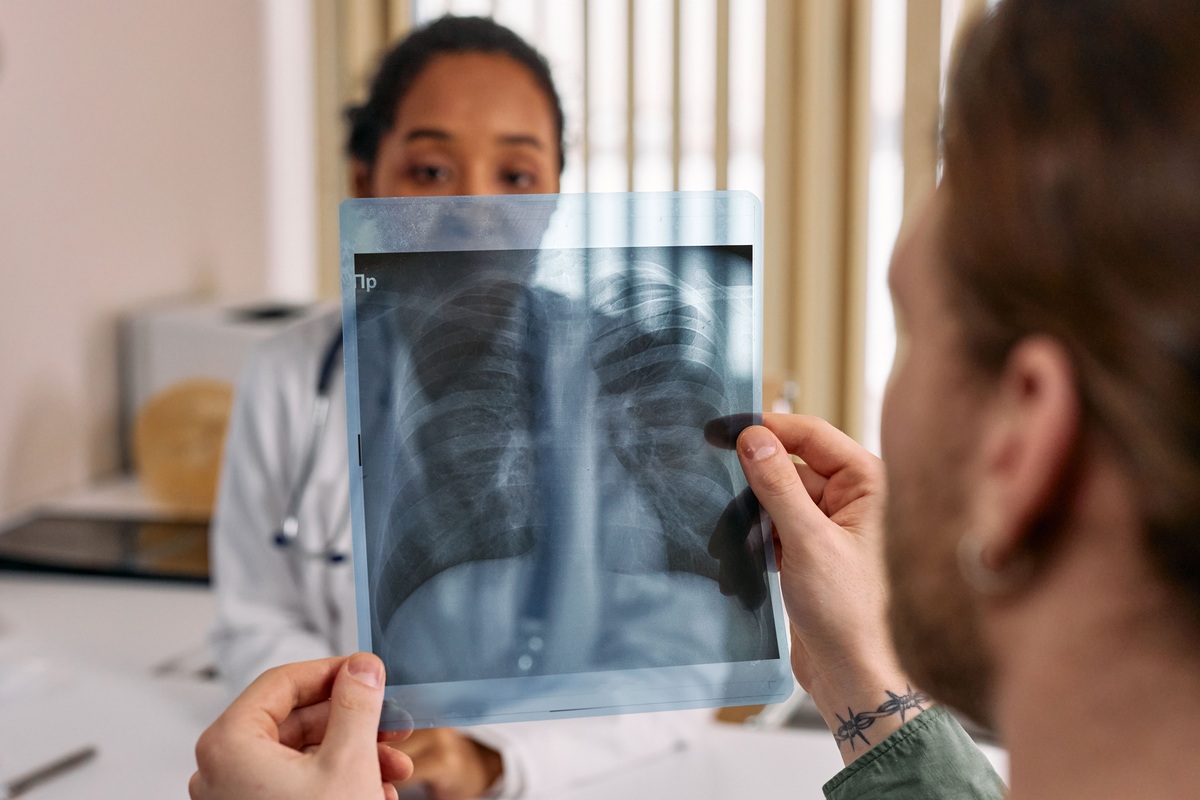
At check-in, staff confirm your reservation, program, forms and payment category. You may complete or review a health questionnaire before moving through measurement stations. Depending on the program, the sequence can include height and weight, waist measurement, blood pressure, vision and hearing, urine testing, blood collection, electrocardiogram, chest X-ray and a brief medical interview.
The order varies by facility, and optional tests can lengthen the visit. Keep your documents together and follow staff instructions about changing clothes, removing metal objects, specimen handling and where to wait between stations.
If you feel faint during blood collection, become unwell while fasting or develop new symptoms, tell staff immediately. A screening appointment is not a reason to delay urgent or medically necessary care.
- Arrive at the time stated in the instructions.
- Confirm your legal name and date of birth on forms and specimen labels.
- Ask before leaving if you are unsure whether all required certificate items were completed.
- Keep any receipt or proof of attendance required by your employer or insurer.
Understanding Results and Follow-Up
Results may be handed to you, mailed, released through an employer system or provided electronically. The report often uses categories such as normal, lifestyle improvement recommended, recheck needed, medical consultation recommended or detailed examination required. The wording and grading system vary by provider.
An abnormal screening result is not automatically a diagnosis. It means that the finding needs the next step stated in the report. Do not ignore a recommendation for re-examination or detailed testing simply because you feel well; preventive screening is designed to identify issues before symptoms appear.
If follow-up care is needed, bring the report to the medical institution. For workplace examinations, the employer may also have an occupational-health process, but medical details should still be discussed with an appropriate healthcare professional.
- Check whether the report gives a deadline for follow-up.
- Keep a copy of the full result, not only the summary grade.
- Compare trends with previous years when the same measurement has been repeated.
- Ask the clinic who to contact if the report is unclear.
- Use ordinary medical care promptly if you develop symptoms, regardless of the screening result.

Language Support and Common Problems
English support varies widely. Large hospitals and dedicated medical-checkup centers may have English websites, questionnaires or interpreters, while smaller facilities may operate mainly in Japanese. Ask about language support when booking rather than assuming it will be available on the day.
If you do not receive an expected voucher, contact the insurer or municipality that runs the program. If you miss an employer appointment, contact HR before arranging a replacement yourself. If the clinic says your voucher is not accepted, return to the issuer’s participating-facility list rather than paying for a different package without confirmation.
For certificate requests, the most common preventable problem is booking before showing the clinic the exact form. A certificate cannot truthfully contain a test that was never performed, so confirm the required items and date conditions in advance.
- Useful booking phrase: 健康診断を予約したいです。 (Kenkō shindan o yoyaku shitai desu. / I would like to book a health checkup.)
- Program check: この受診券は使えますか。 (Kono jushinken wa tsukaemasu ka. / Can I use this voucher?)
- Fasting check: 食事は何時から止めればいいですか。 (Shokuji wa nanji kara tomereba ii desu ka. / From what time should I stop eating?)
- Results check: 結果はいつ、どのように受け取れますか。 (Kekka wa itsu, dono yō ni uketoremasu ka. / When and how will I receive the results?)
Health Checkup Checklist
Use this sequence to avoid the most common booking and paperwork mistakes. The key is to confirm the program first, then the facility, then the preparation and payment rules.
- Identify the exact program and organizer.
- Check your eligibility, voucher validity and deadline.
- Use an approved or participating facility.
- Confirm the exact required test items.
- Ask the total cost and payment method.
- Confirm fasting, medication, sample and pregnancy instructions.
- Prepare the correct identification, insurance qualification document, voucher and forms.
- Arrive on time and complete every required station.
- Confirm how results and certificates will be delivered.
- Follow any recommendation for recheck, detailed examination or medical care.
FAQ
Is a health checkup free in Japan?
Not always. A statutory workplace examination arranged by an employer is generally employer-paid. Insurer and municipal programs may be free or subsidized, while a private ningen dock or certificate examination is often self-paid. Check the current instructions for your exact program.
Can I choose any clinic for a health checkup?
No. Employer, insurer and municipal programs may restrict you to designated or participating facilities. Confirm the approved facility list before booking.
Do I need a My Number health insurance card for a health checkup?
A purely self-paid screening may not require public-insurance eligibility, but a facility can ask for identification or insurance information. When insurance qualification must be confirmed in 2026, use a My Number health insurance card or a valid eligibility confirmation certificate rather than an expired conventional health-insurance card.
Do I have to fast before a health checkup?
Only if your facility and test package instruct you to fast. Requirements vary by tests and appointment time. Follow the instructions for your specific appointment and ask before changing medication or food intake.
Does a normal workplace health check include cancer screening?
Not necessarily. The statutory workplace examination has its own required items. Cancer screening programs are separate, although some employers or medical facilities offer optional cancer-screening add-ons.
Can I use a municipal checkup instead of my employer’s health examination?
Do not assume so. The employer may require a specific statutory test set and reporting format. Ask HR whether an outside examination will be accepted before booking it.
What should I do if the result says I need a detailed examination?
Follow the report’s instructions and arrange the recommended medical follow-up. A screening result is not a final diagnosis, but a recommendation for detailed examination should not be ignored even if you feel well.
Official References
- Ministry of Health, Labour and Welfare — Industrial Safety and Health Act, Article 66 (Health Examinations)
- Ministry of Health, Labour and Welfare — Ordinance on Industrial Safety and Health, Articles 43–45
- Ministry of Health, Labour and Welfare — Specific Health Checkups and Specific Health Guidance
- Ministry of Health, Labour and Welfare — Standard Health Checkup and Health Guidance Program (FY2024 Edition)
- Ministry of Health, Labour and Welfare — Cancer Screening
- Ministry of Health, Labour and Welfare — Health Insurance Eligibility Confirmation in 2026
- Japan Health Insurance Association — FY2026 Health Checkup Information
- Tokyo Labour Bureau — Health Examination Q&A: Cost Responsibility
Final Thoughts
The fastest way to handle a health checkup in Japan is to identify the exact program before choosing a clinic. Confirm who organizes it, what tests are required, whether the facility participates, what you will pay, how to prepare and where the results must go. Keep the result for future comparisons and act on any follow-up recommendation. If you have symptoms or feel unwell, use ordinary medical care rather than waiting for a preventive screening.